
Trump’s New Pardons Shield Diesel Tuners Violating Air Rules
- account_circle Tyo Murty
- calendar_month Wednesday, 8 Jul 2026
- visibility 10
- comment 0 comment
- print Print

info Adjust the font size of this article to get the best reading experience.
President Trump’s Pardons and the Shift in Environmental Policy
President Trump has issued pardons to nine mechanics and tuners who were convicted of violating emissions rules under the Clean Air Act. This decision is part of a broader trend within the Trump administration to roll back environmental protections, signaling a shift in how the government approaches regulatory enforcement.
The previous Biden administration took a firm stance on emissions regulations, with the U.S. Environmental Protection Agency (EPA) cracking down on the use of defeat devices—tools designed to bypass emissions equipment. These actions were aimed at ensuring that vehicles met federal standards for air quality and pollution control.
Among the pardons granted by President Trump last Friday were individuals facing significant financial penalties and potential jail time for modifying emissions controls on diesel engines. These nine mechanics and tuners had been convicted for bypassing or altering mandated emissions systems. Their cases are similar to that of a Wyoming-based mechanic whose felony conviction was erased by a presidential pardon in November.
The Evolution of the Clean Air Act
The Clean Air Act was first introduced in 1963, but it was the 1970 version that had the most lasting impact. Under President Nixon, the EPA was established to oversee and enforce the act’s provisions. During the 1960s, there was a strong focus on horsepower and performance, which led to the introduction of smog control equipment in the 1970s. While some enthusiasts viewed these changes as restrictive, they ultimately contributed to significant improvements in air quality.
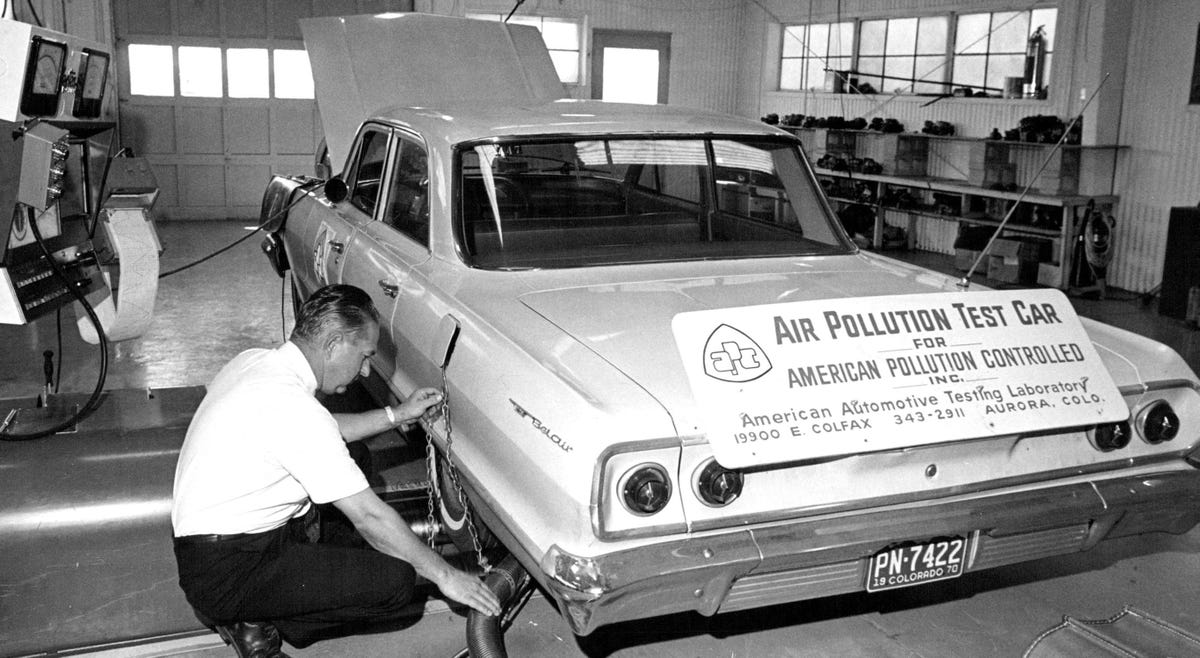
For example, Los Angeles, once known for its severe smog, has seen marked improvements in air quality over the decades. Automotive companies adapted to federal emissions requirements, leading to innovations that have allowed high-performance vehicles like the current Corvette ZR1X to achieve over 1200 horsepower while maintaining compliance with environmental standards.
Emissions Regulations and Heavy-Duty Diesel
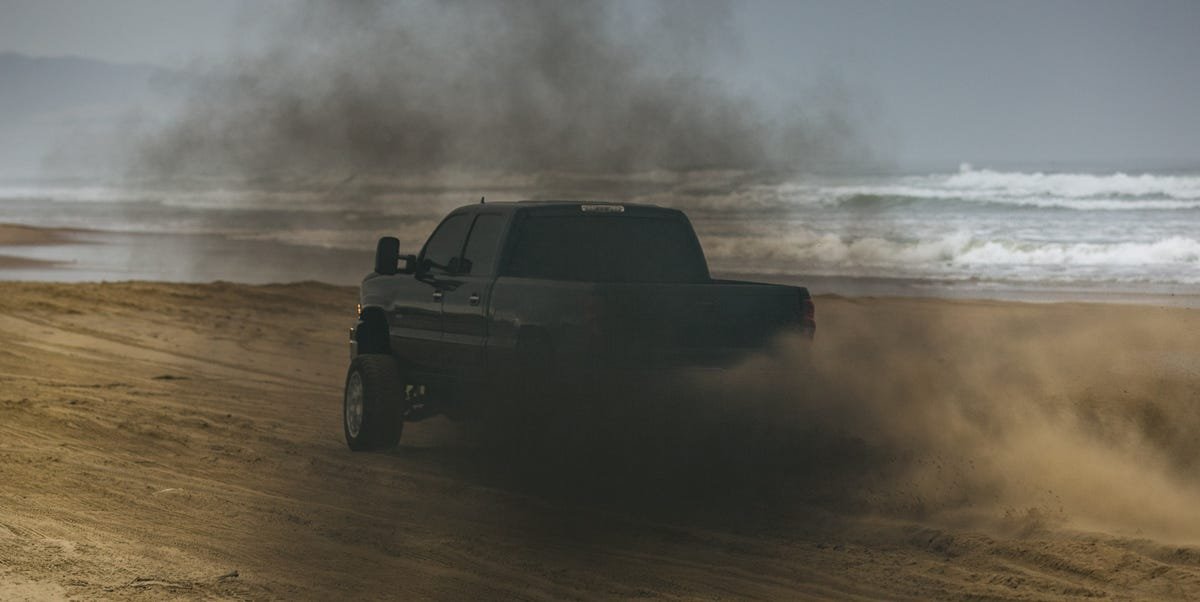
While passenger cars have seen advancements in both performance and emissions control, heavy-duty diesel applications face unique challenges. Stricter emissions regulations can increase operating costs and limit power output. Some vehicle owners and operators see the removal of pollution-reducing controls, such as diesel particulate filters or exhaust gas recirculating systems, as a way to improve performance and reduce maintenance expenses.
Although emissions tampering is illegal, some individuals and businesses view the risks as worth the potential benefits. In recent years, the EPA has been active in prosecuting those involved in the sale and use of defeat devices, whether through software or hardware. The agency has taken a strong legal stance against violations of emissions regulations.
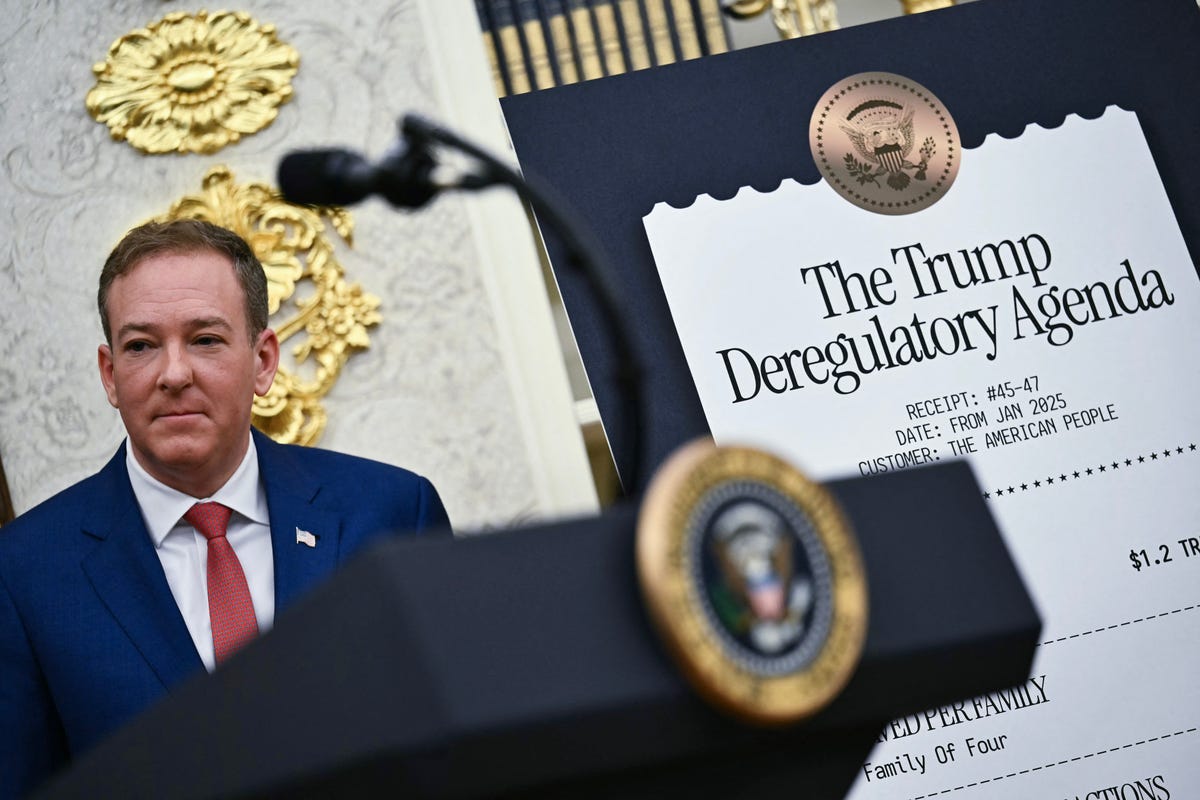
However, this approach may not continue under the current administration. The EPA administrator, Lee Zeldin, has already proposed changes such as removing limp mode from diesel trucks when they run low on exhaust treatment fluid. Additionally, the agency has announced plans to eliminate engine start-stop systems in passenger cars.
Implications of Reduced Enforcement
Without strong enforcement, the emissions controls mandated by the Clean Air Act may still be followed by manufacturers, but they could be removed by owners and operators who find them burdensome. For now, the consequences of defeating these controls appear to be on hold.
As the regulatory landscape continues to evolve, the balance between environmental protection and industry needs remains a critical issue. Whether this shift in policy will lead to long-term changes in emissions compliance is yet to be seen.
- Author: Tyo Murty



















At the moment there is no comment