
Texas Starts Enforcing Tough New THC Rules, and Hemp Businesses Are Feeling the Impact

info Adjust the font size of this article to get the best reading experience.
Overview of the New THC Regulations in Texas
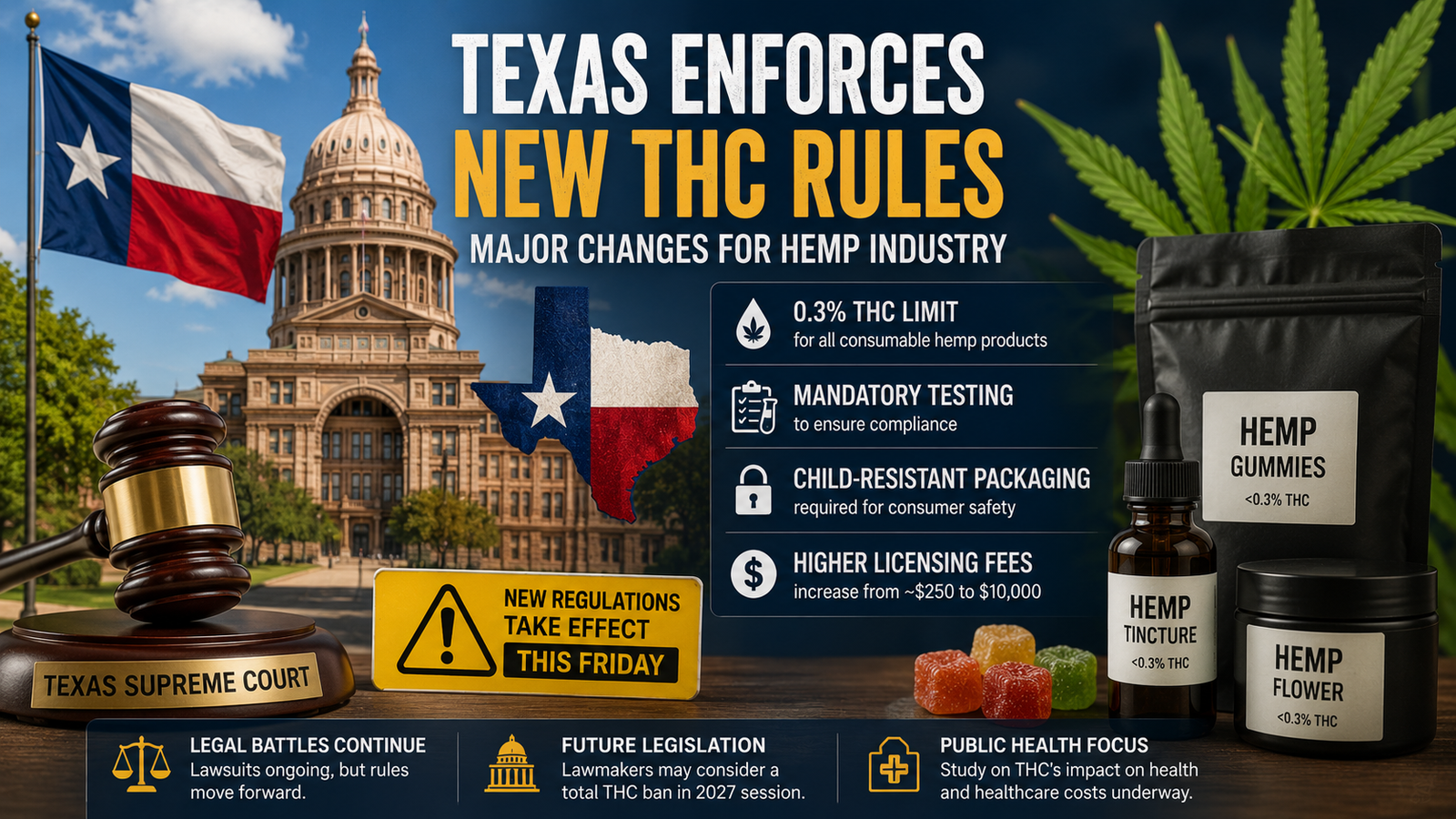
After a prolonged period of legal challenges and delays, Texas is finally set to implement its new Total THC regulations this Friday. These rules are designed to impose stricter limits on the amount of tetrahydrocannabinol (THC) that can be present in consumable hemp products. Despite ongoing legal battles, the Texas Supreme Court has allowed these regulations to take effect while lawsuits continue to be processed.
The so-called “Total THC” rules were initially scheduled to come into force on March 31. However, they have been repeatedly delayed due to court injunctions. In May, the Texas Supreme Court made a significant ruling, stating that the Department of State Health Services (DSHS) has broad authority to regulate substances. This decision paved the way for officials to proceed with enforcing the new rules, even as legal challenges persist.
On July 10, DSHS announced its intention to reinstate the new THC rules through an official notice in the Texas Register. The regulations are expected to have a major impact on the hemp industry in the state.
Key Details of the New Regulations
At the core of the new regulations is a 0.3% THC limit for consumable hemp products. This threshold is intended to ensure that products remain within the legal limits defined under federal law. Additionally, the rules require comprehensive testing of all products to verify compliance with the THC limit. Child-resistant packaging is also mandated, adding another layer of safety for consumers.
Licensing fees for retailers have seen a substantial increase, with some businesses facing a jump from approximately $250 to $10,000. This hike could significantly affect smaller retailers who may struggle to meet the new financial requirements.
Reactions from Industry Advocates and Legal Officials
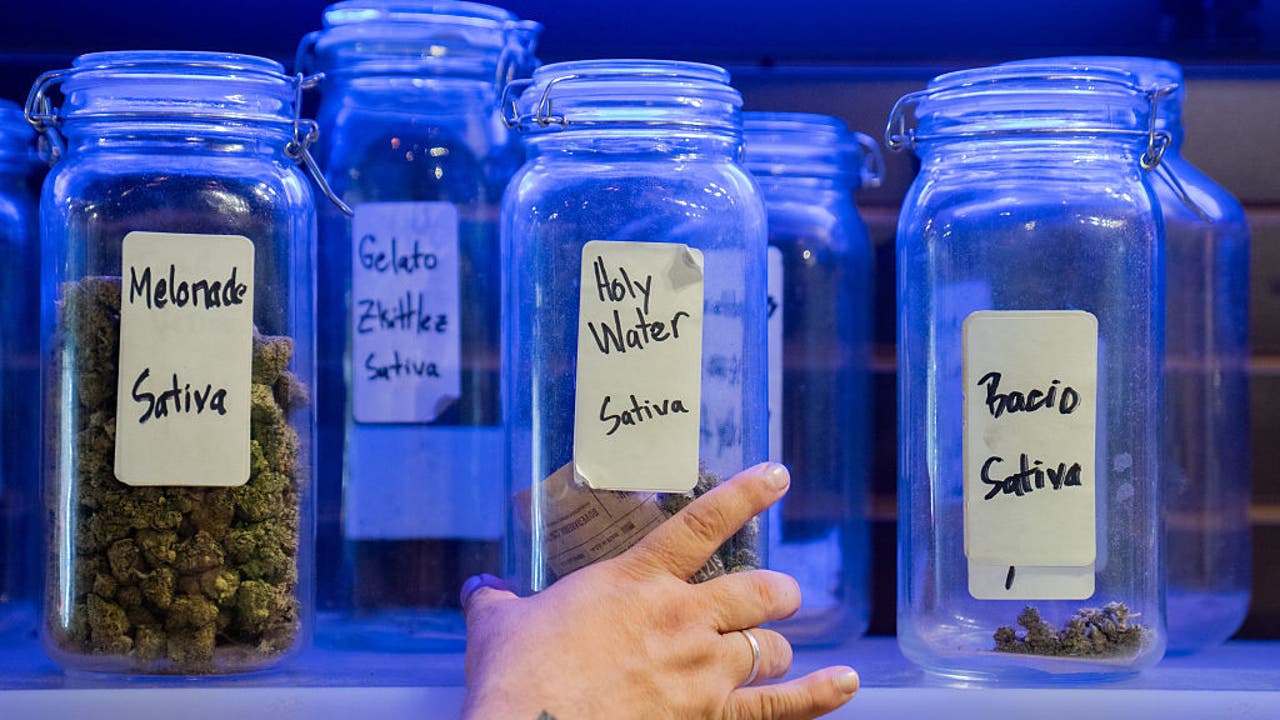
Industry advocates have raised concerns about the potential impact of these regulations. They argue that the rules could force many businesses to discard large quantities of inventory, potentially driving them out of business. The restrictions on THC levels and the increased costs associated with compliance are seen as particularly burdensome for small-scale operators.
On the other hand, state attorneys have emphasized the importance of regulating substances that could pose risks to public health. They have referred to THC-A, a non-intoxicating compound found in most smokable hemp products, as “marijuana in waiting.” This is because THC-A can convert to Delta-9, a psychoactive form of THC, when heated. This argument underscores the state’s stance on the need for tighter controls on hemp products.
Future Legislative Actions
Looking ahead, there are plans for further legislative action related to THC regulation. During a hearing in early July, Republican State Sen. Charles Perry of Lubbock announced his intention to introduce a new bill during the upcoming Texas legislative session. This bill aims to ban THC entirely, following a similar proposal he introduced in 2025, which was later vetoed by Texas Gov. Greg Abbott.
Texas Lt. Gov. Dan Patrick has also taken steps to address the potential health impacts of THC. He has tasked a state Senate committee with studying the effects of THC on healthcare costs, mental health emergencies, and the risk of developing THC-induced psychotic disorders. This study is expected to inform future policy decisions.
The next legislative session is set to begin on January 12, marking a critical period for potential changes in state policy regarding hemp and THC products. As the debate over regulation continues, the outcome of these discussions could shape the future of the hemp industry in Texas.
- Author: Tyo Murty


















At the moment there is no comment