
The starter home is real estate’s unicorn. Hunt one.

info Adjust the font size of this article to get the best reading experience.
The Evolving Landscape of Starter Homes in the U.S.
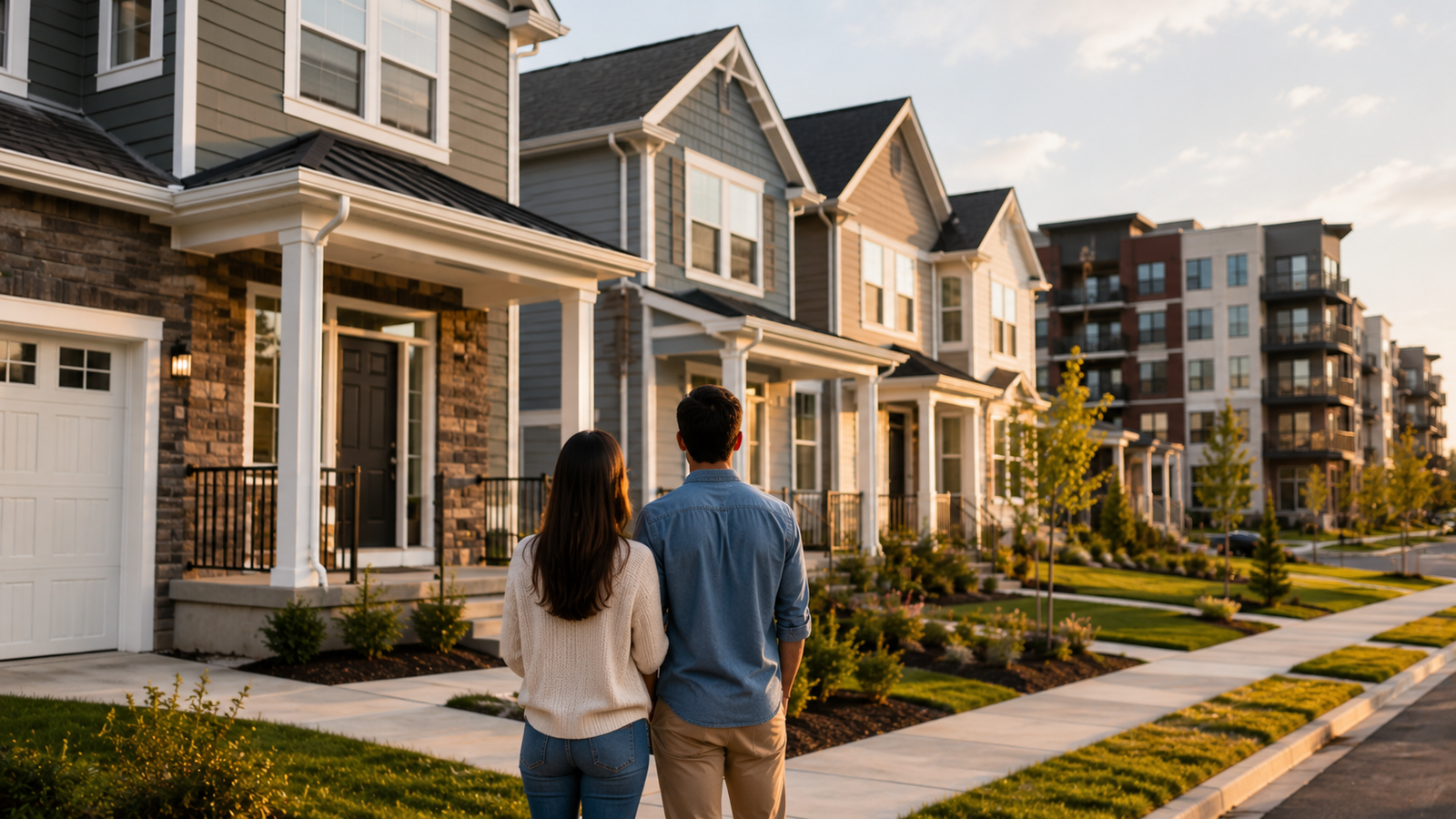
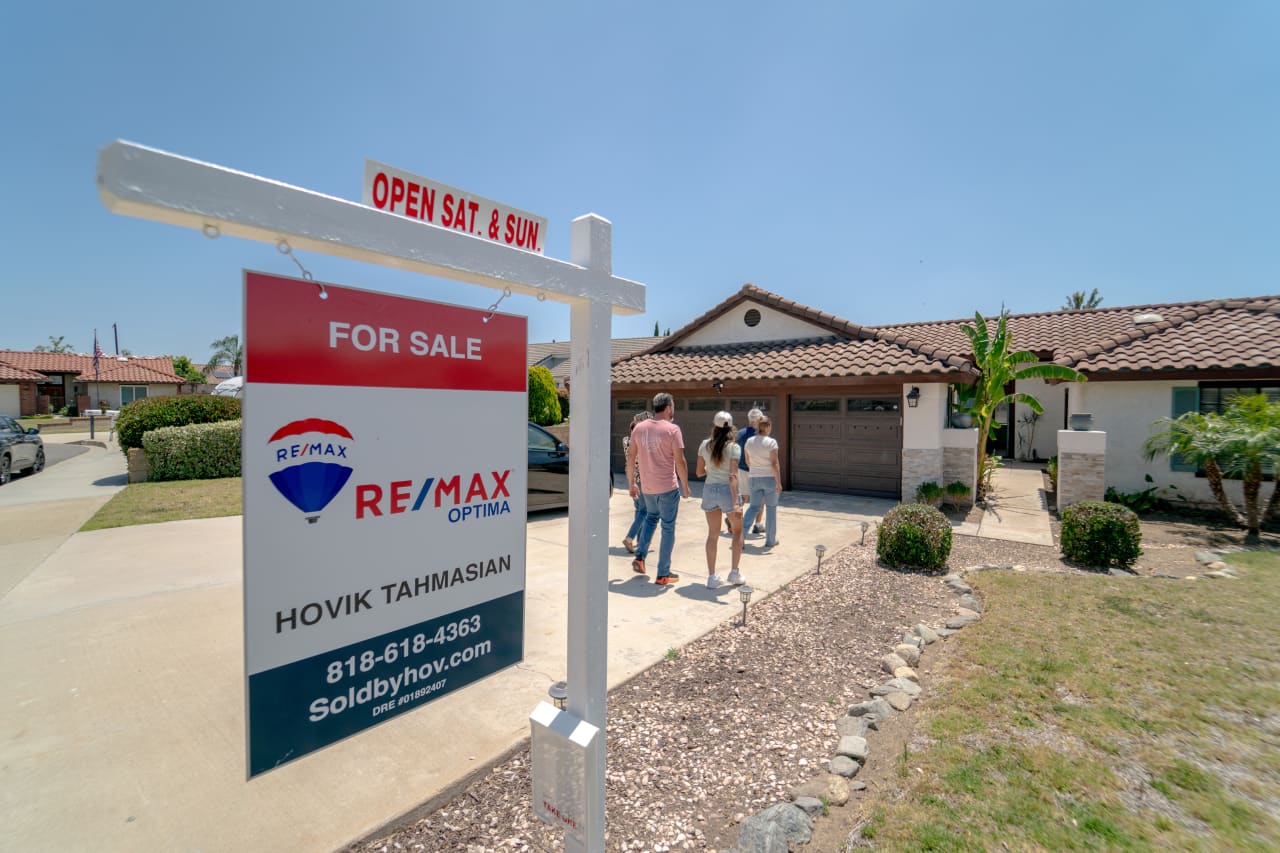
In today’s real estate market, especially in northern New Jersey, the concept of an affordable single-family starter home has become as elusive as the mythical Jersey Devil. Once considered a stepping stone for first-time buyers, these homes are now increasingly out of reach due to rising prices and limited availability.
Michael Read, principal at Bridgeway Mortgage and Real Estate Services in Morristown, N.J., highlights the shift: “What used to be the second home is now the starter home.” This change reflects the dramatic price increases that have made it harder for new buyers to enter the market.
The competition for these homes is fierce. First-time buyers aren’t just vying with other renters; they’re also up against individuals looking to downsize or those who have benefited from the upward trend in home values. This dynamic creates a challenging environment for anyone hoping to purchase their first home.
Understanding the Definition and Availability of Starter Homes
There is no universally accepted definition of a starter home, which complicates efforts to track their availability. To better understand the affordability gap, Barron’s compared home price data from the National Association of Realtors with the group’s calculation of the maximum home price a renter between 25 and 34 years old could afford. This calculation considers median household income and mortgage rates, assuming a 10% down payment.
Barron’s also evaluated this against a rule-of-thumb for starter home prices, which suggests capping the price at 85% of the median home sales price. The results reveal that the typical buyer’s budget, based on estimated 2025 incomes, falls short of the price of a starter home by about a third. While this represents an improvement over recent years, it still lags far behind the surplus seen through 2020.
Expanding the Definition of a Starter Home
Hannah Jones, senior economist at Realtor.com, notes that while the traditional concept of a starter home may be fading, the idea itself remains relevant. “The starter home is still a thing, in terms of any home buyer has a home that they start with,” she says. However, the definition has evolved. “It might have been a single-family home [in the past]. Now, maybe that’s a condo or a townhome.”
In New Jersey, condominium options are becoming a viable alternative for first-time buyers who are priced out of the traditional market. Read emphasizes the importance of being open to different housing types: “If you weren’t open to condos, well, maybe you should be if you’re in that price point.” She adds that condos are becoming a more attractive option for many.
New Construction as an Alternative
New home construction is another pathway for first-time buyers. Large U.S. home builder D.R. Horton reported that 65% of its mortgage companies’ closings in the third quarter went to first-time home buyers. The company operates in 36 states, with many of its closings coming from the Sunbelt region.
Jones explains that in areas where new construction is thriving, the concept of a starter home is still alive and growing. “Parts of the country where we’re seeing a lot of new construction are really where that starter home dream still lives and is expanding,” she says.
Conclusion
While the traditional single-family starter home may be becoming rarer, the concept of a starting point for homeownership remains relevant. Buyers are adapting by considering alternatives such as condos and new construction. As the market continues to evolve, so too will the ways in which first-time buyers navigate the path to homeownership.
- Author: Tyo Murty


















At the moment there is no comment