
Buck Moon Unveiled: What Really Happens During July’s Full Moon


info Adjust the font size of this article to get the best reading experience.
The Buck Moon of 2026: A Look at Myths and Facts
This year, July’s Full Moon will shine brightly in the night sky on July 29, 2026. Known as the “Buck Moon,” this name is rooted in the annual life cycle of male deer. While bucks typically shed their old antlers in late winter or early spring, they are actively growing new ones around this time of the year. By July, these impressive new antlers are covered in a velvety coating, making them easy to spot. This natural phenomenon inspired the Algonquin people to give the July full moon its nickname. Over time, this simple name has accumulated many myths and folk beliefs. Here’s a closer look at some of these myths and the truths behind them.

Myth: The Moon Controls Deer Movement and Aggression
For decades, hunters have believed that timing their hunts around the Moon phase can improve their chances of success. A social media survey revealed that 83% of hunters believe the Moon affects deer activity in some way, according to research conducted at Mississippi State University. However, this belief is not supported by scientific evidence. A study tracking 48 white-tailed deer bucks using GPS collars over more than two years found no correlation between the Moon’s phases and deer behavior. As the research paper stated, “The moon has no effect on buck activity.”
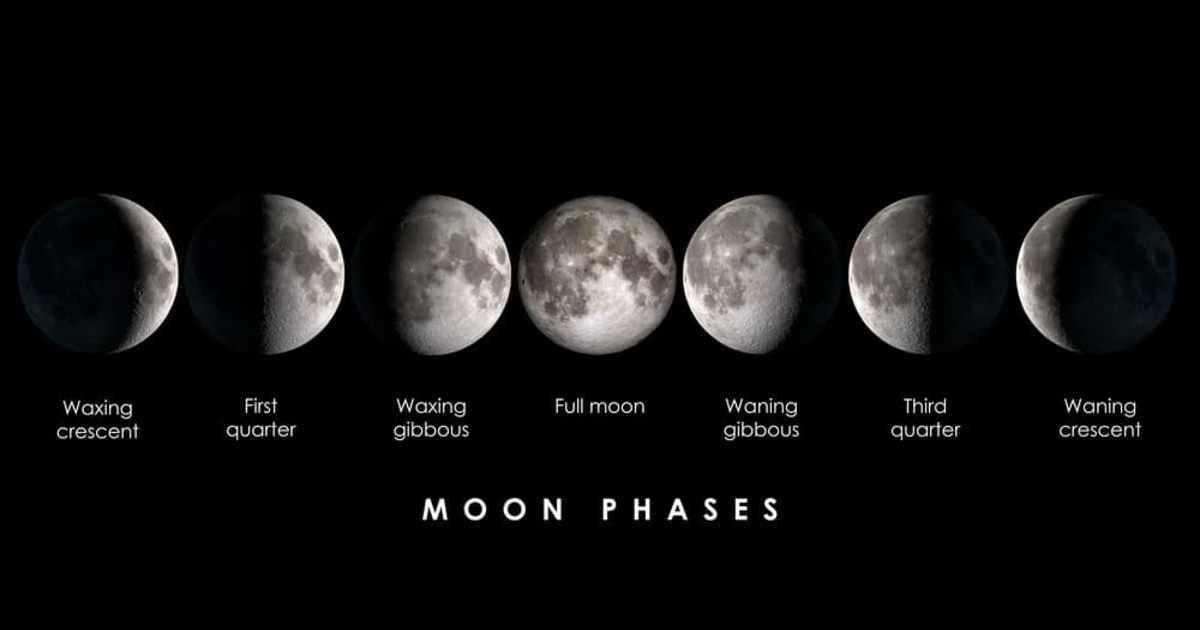
The researchers also discovered that the Moon’s phase, its position in the sky, or any combination of the two had no measurable impact on movement or other typical daily deer behaviors. They noted, “The Moon changes position over 25 hours—it rises and sets, sometimes it is overhead, and sometimes it is under our feet. Apogee and perigee moons are when the Moon is closest or farthest from the Earth. We considered all these positions and found that they do not cause our bucks to become more or less active.”
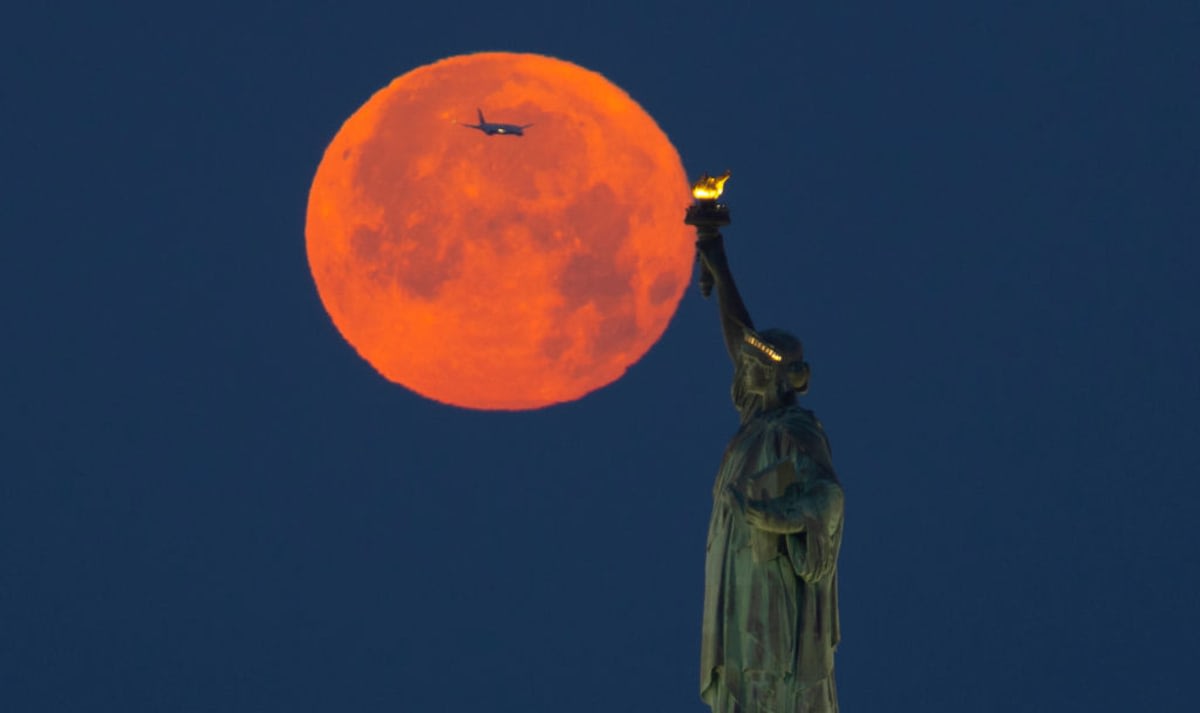
Myth: A Full Moon Looks Bigger or Sits Closer to Earth
You may have seen photos where the Moon appears unusually large, often framed against a skyline or a stand of trees. While NASA has explored this phenomenon, they admit they still don’t fully understand why it happens. The effect is known as the Moon Illusion, and one leading theory suggests that when the Moon sits low on the horizon, nearby objects like buildings or trees provide a reference point for our brain, making the Moon appear much larger than it actually is. However, NASA acknowledges that a definitive scientific explanation for this illusion remains elusive.
NASA offers a simple way to debunk this myth: “Hold up your outstretched index finger next to the Moon. You’ll find that your fingernail and the Moon are about the same size. Or try looking at the Moon through a paper tube, or bend over and look backward between your legs. When you view it like this, the Moon will be nowhere near as big as it had seemed.”
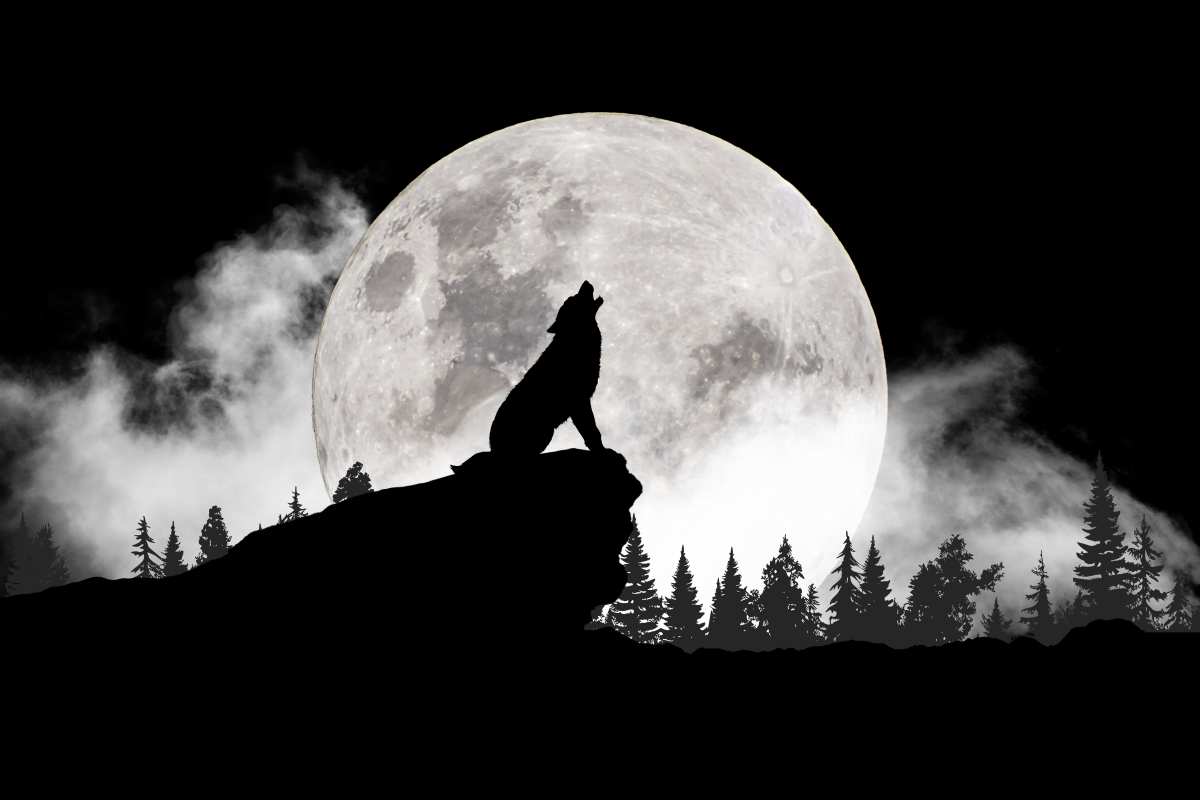
Myth: A Full Moon Is a Rare “Mystical” Event
Many people associate the full moon with folklore, such as werewolves or magical powers. Some even believe it influences fertility. In reality, a full moon is simply a natural astronomical event. This year, the Buck Moon coincides with Guru Purnima and Asalha Puja, two spiritual events celebrated worldwide. However, this alignment is purely coincidental.
A study examining the effects of the lunar cycle on birth rates found no predictable influence of the full moon on deliveries or complications. As the research concluded, “An analysis of 5 years of data demonstrated no predictable influence of the lunar cycle on deliveries or complications. As expected, this pervasive myth is not evidence-based.”
- Author: Tyo Murty




















At the moment there is no comment