
Traveler’s Viral Video Reveals China’s Futuristic Airport Sleeping Pods
- account_circle Tyo Murty
- calendar_month Wednesday, 15 Jul 2026
- visibility 15
- comment 0 comment
- print Print


info Adjust the font size of this article to get the best reading experience.
A New Way to Rest at Shanghai Pudong International Airport
A recent video from Shanghai Pudong International Airport has captured the attention of social media users around the world. The clip, shared by a traveler on the platform X, showcases an individual using one of the airport’s NapHub sleeping pods during a long layover. The video highlights the experience of entering the capsule unit, closing the door, plugging in devices, and settling in for a short rest.
The NapHub pods are located in the international departure sections of Terminal 1 near Gate 24 and Terminal 2 near Gate 67. Travelers can rent these pods by the hour through a QR code payment system. Once inside, they have access to a bed, seating area, charging outlets, storage compartments, lighting controls, and an entertainment screen. The concept was first announced by Shanghai officials in 2025 as part of passenger service upgrades, with the rollout reaching travelers in 2026.
Why Male Travelers Might Prefer the NapHub Pod
For business travelers, digital nomads, photographers carrying camera gear, and solo travelers crossing multiple time zones, the pods offer more than just a place to sleep. They solve several challenges that come with long layovers.
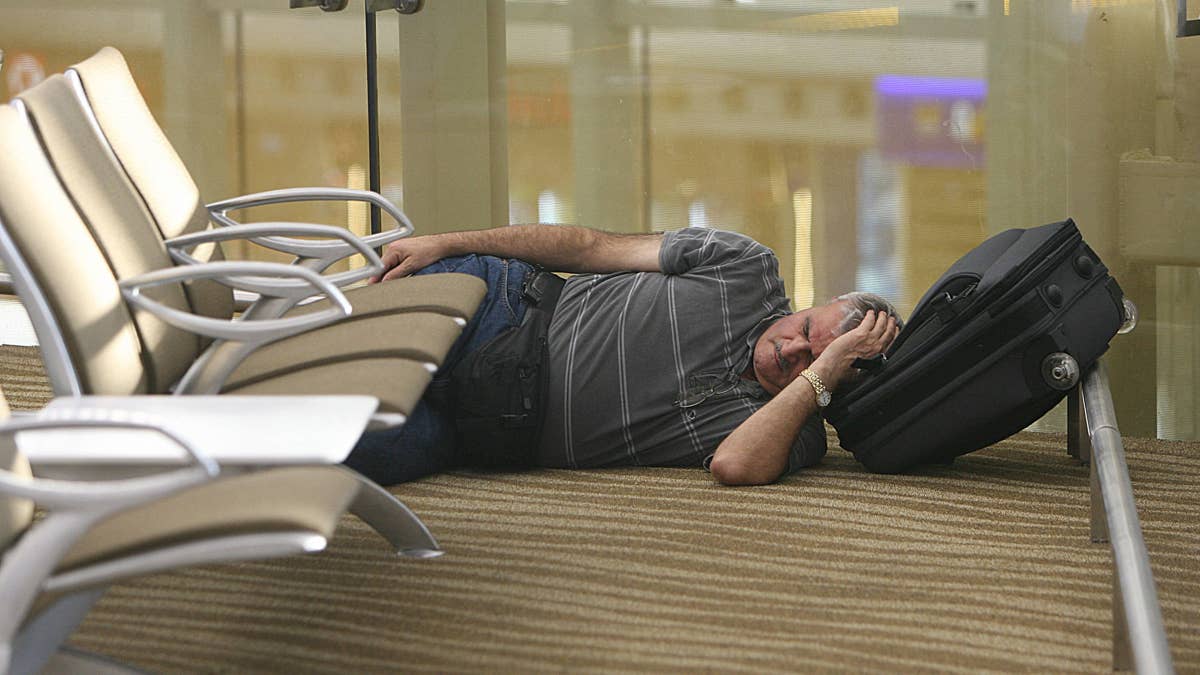
Unlike many airport rest areas, each pod provides a lockable space where laptops, passports, watches, and backpacks remain within reach instead of being left beside an airport chair. Charging outlets allow several devices to receive power while the traveler sleeps; so you have little need to sleep with one eye open—guarding charging stations.
Compared with the Minute Suites and Sleepbox locations we have across several United States airports, Shanghai’s system introduces details that many travelers find surprisingly useful.
Convenience and Accessibility
First, the pods sit directly inside departure areas after security screening, so travelers don’t have to leave the secure zone during an international connection. Digital access through QR payment also reduces staff interaction for passengers arriving during overnight hours.
The hourly pricing, reported at roughly 65 yuan or about $9, with longer stays available for higher rates, is perfect for and promotes accessibility for travelers who only need a few hours before boarding.
Although the units are not fully soundproof, they provide decent insulation from the noise and chatter coming from airport seating areas and terminal traffic. Plus, it helps to remain aware of what’s going on around, so complete sound insulation probably isn’t ideal.
Scalability and Future Expansion
Another detail worth noting is scalability. Shanghai’s deployment reportedly includes multiple pods across both international terminals instead of a single lounge facility with limited access. Reports also indicate that similar installations are appearing at other airports in China, suggesting a wider shift toward capsule accommodation for transit passengers.
A lady made this social media post, but for male travelers carrying work equipment, electronics, travel documents, or valuables during long international connections, the appeal extends beyond sleep. The combination of privacy, device charging, secure storage, post security access, and hourly booking presents a practical alternative that, in several respects, surpasses the Minute Suites and Sleepbox model found in many United States airports.
- Author: Tyo Murty




















At the moment there is no comment