
How TSA Facial Recognition Works: What Travelers Need to Know
- account_circle Tyo Murty
- calendar_month Tuesday, 14 Jul 2026
- visibility 16
- comment 0 comment
- print Print

info Adjust the font size of this article to get the best reading experience.
Enhancing Airport Security with Facial Recognition Technology
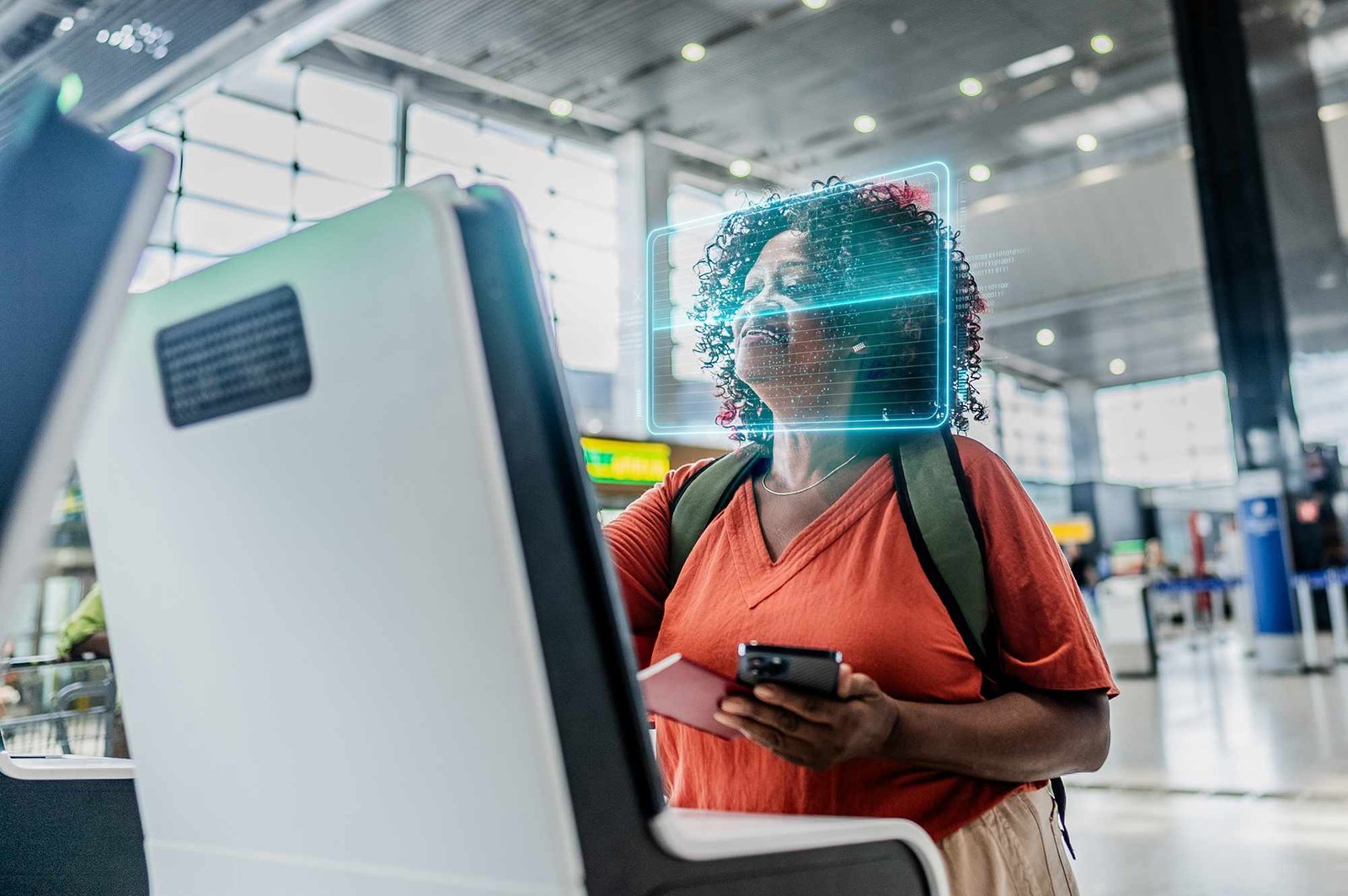
Facial recognition technology is revolutionizing the way travelers move through airports, offering a faster and more efficient experience. As this technology becomes more prevalent, it’s important for passengers to understand how it works and what their options are.
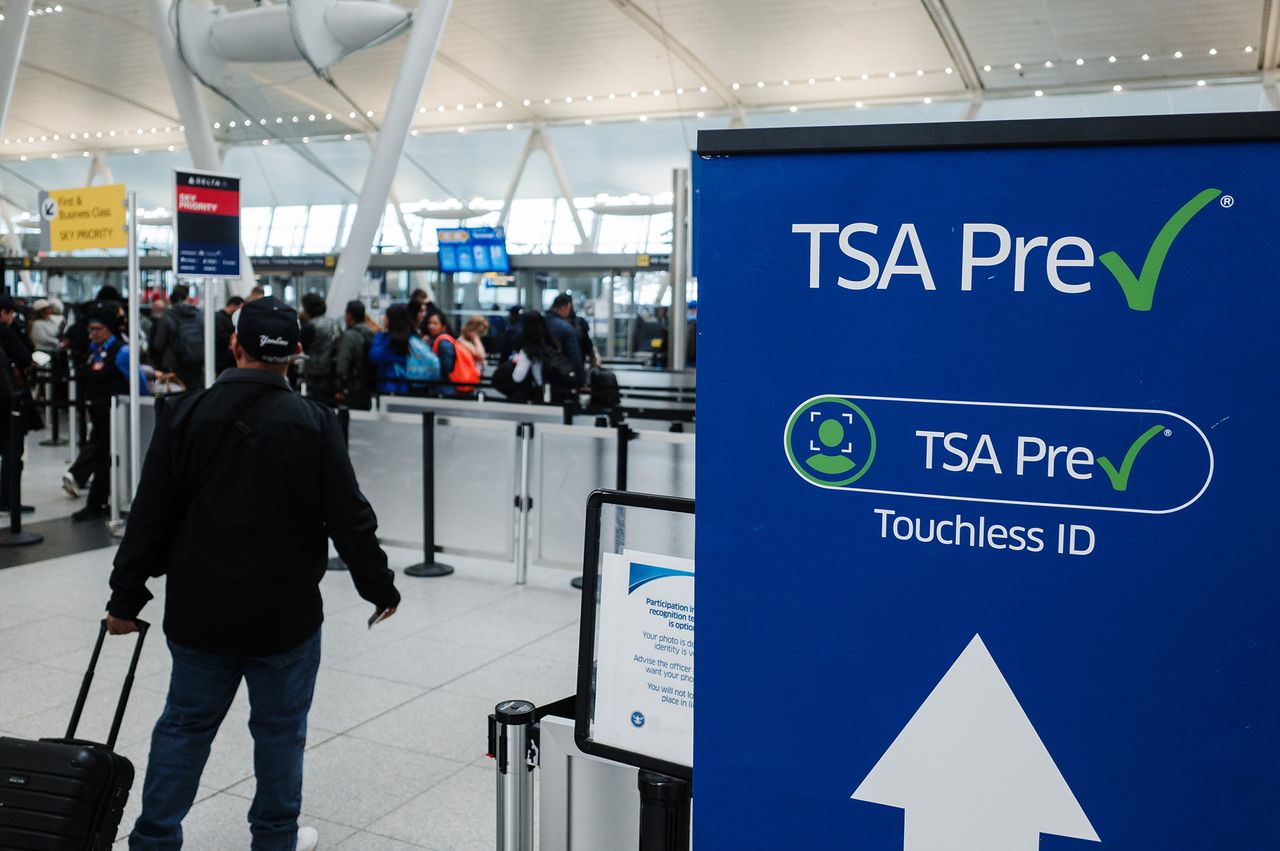
Airport security procedures have always been subject to change, from removing shoes to taking out laptops. For frequent travelers, these changes can be confusing. However, many have adapted by using programs like TSA PreCheck, Global Entry, and Clear, which streamline the process. These programs often require biometric data, such as fingerprints or retinal scans, making the idea of facial recognition less foreign.
Despite this, not all travelers are comfortable with facial recognition. The Transportation Security Administration (TSA) claims that this technology improves security while also making the airport experience quicker. For some, this is a welcome trade-off, but others raise concerns about privacy and consent.
How Does TSA Facial Recognition Work?
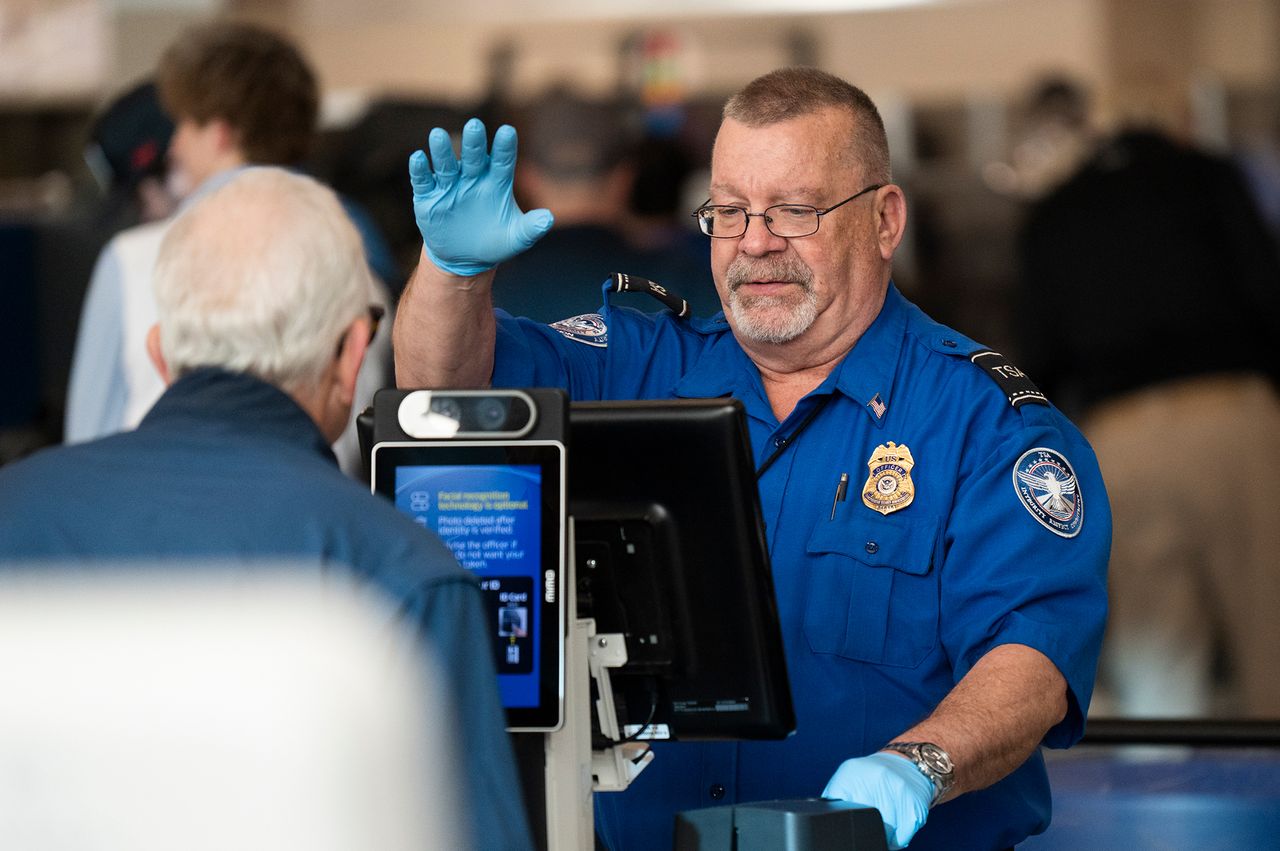
At participating airports, the TSA uses facial comparison technology to verify a traveler’s identity. This involves comparing a live photo taken at the security checkpoint with the image on the traveler’s ID, such as a passport or driver’s license. The goal is to ensure that the person in front of the officer matches the ID being presented.
IDEMIA, an authorized TSA service provider, plays a key role in enabling this secure identity verification. According to Lisa Shoemaker, a spokesperson for IDEMIA Public Security, the process is designed to be seamless while maintaining the same trusted screening process that travelers are familiar with.
Once the verification is complete, the photo is deleted from the system. Shoemaker notes that images are typically deleted immediately after the identity check, ensuring that no data is stored.
However, the system isn’t perfect. If a match isn’t found, TSA agents revert to a manual ID check. This same process is used if travelers choose to opt out. Shoemaker emphasizes that participation is voluntary, and travelers can opt out at any time without facing penalties.
What Happens to Your Photo?
Arun Ross, a biometrics expert at Michigan State University, explains that the purpose of the photo taken at the TSA checkpoint is identity verification, not surveillance. He notes that the digital image of a traveler’s face is already present on their passport or identification document, and the photo captured at the checkpoint is no more invasive than that on a driver’s license.
Ross adds that the photo collected at the TSA checkpoint is for verification purposes only and is not stored. This differs from the face images captured by state DMVs, which are stored in secure state databases to comply with the Real ID Act requirements.
While the technology raises privacy concerns, experts argue that automated facial comparison systems can improve accuracy and efficiency. Michael King, a professor at Florida Institute of Technology, points out that automated systems do not experience fatigue and can apply the same verification process consistently throughout the day.
What Should Travelers Know?
One common misconception is that the photo is mandatory simply because it occurs at a TSA checkpoint. However, travelers can always opt out of the process. Ross notes that if a traveler is uncomfortable, they can choose to proceed with a traditional ID check.
King also highlights that travelers often confuse facial comparison technology at the TSA checkpoint with other applications of facial recognition throughout the travel journey, such as border-entry systems and trusted traveler programs. These may operate under different rules and retention policies.
Both Ross and King emphasize that the immediate privacy risk associated with a single TSA facial scan is relatively low. However, if a traveler chooses to opt out, it’s best to indicate that choice before the image is captured. The TSA states that passengers who opt out can complete the traditional manual identity verification process instead and should not lose their place in line or face any penalties.
Expert Perspectives
Ross and King both personally participate in the facial comparison process when traveling. Ross finds it convenient, noting that the privacy risk from a single TSA facial scan is low due to the TSA’s deletion policy. King also participates, appreciating the continued efficiency of not having to hand over as many physical documents to the TSA security team.
Shoemaker mentions that there will be a further rollout of facial comparison technology across airports. She states that the focus will be on making the process faster and more seamless for travelers, with IDEMIA working to deliver a smooth and efficient experience during peak travel periods.
- Author: Tyo Murty

















At the moment there is no comment