
A New Claim Deepens William and Harry’s Cold Rift
- account_circle Tyo Murty
- calendar_month Tuesday, 14 Jul 2026
- visibility 16
- comment 0 comment
- print Print

info Adjust the font size of this article to get the best reading experience.
A New Narrative on the Royal Brothers’ Estrangement
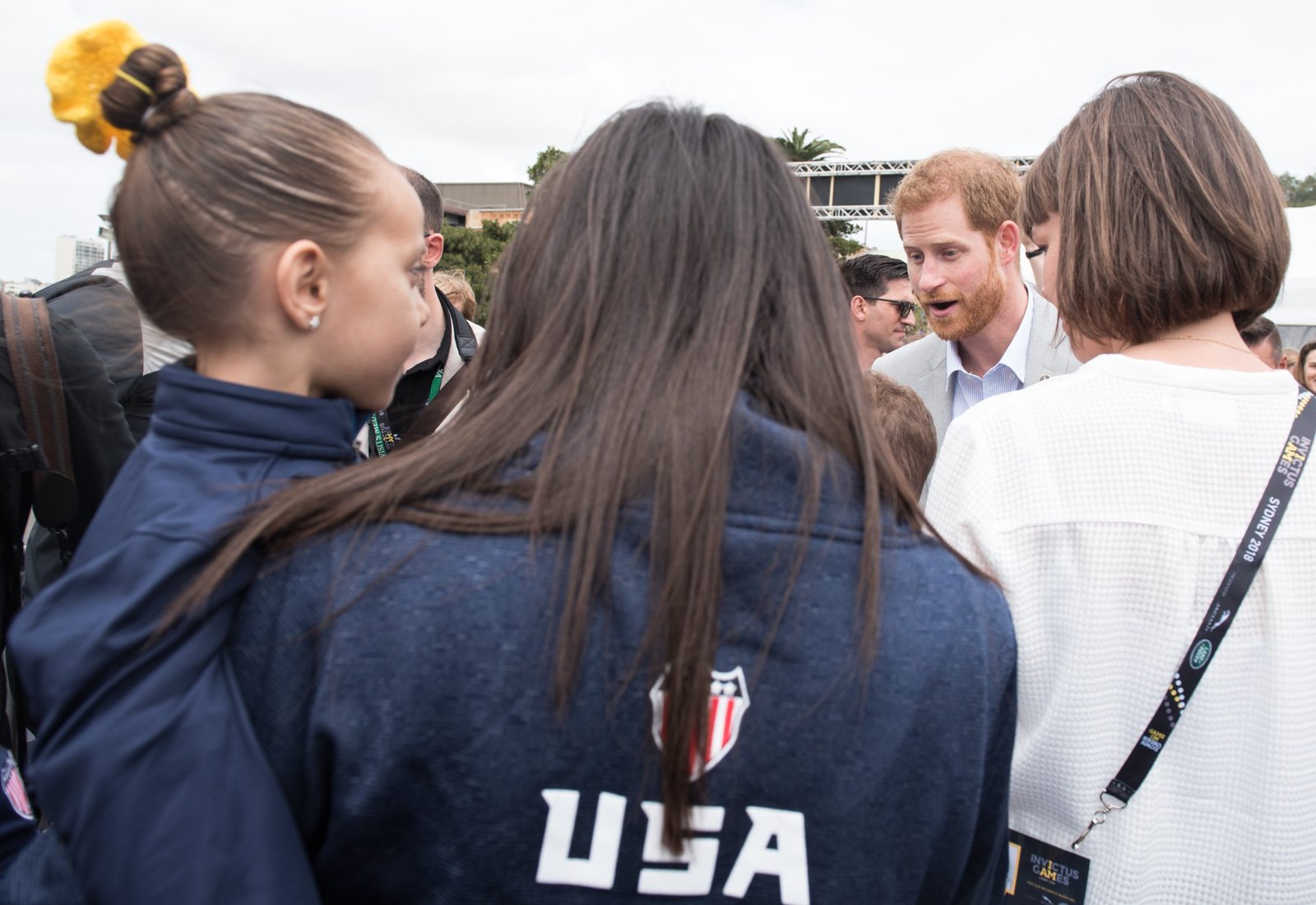
A royal commentator’s recent remarks about Prince William’s perspective on Prince Harry have reignited public interest in the long-standing rift between the two brothers. The timing of these comments is significant, as Harry is currently in the U.K. for Invictus Games events, while ongoing security concerns continue to influence family decisions.
The latest development in the story of Prince William and Prince Harry isn’t a formal palace statement. Instead, it’s a sharp observation from a royal commentator that has gained traction because it reflects how cold the brothers’ relationship is now widely perceived to be.
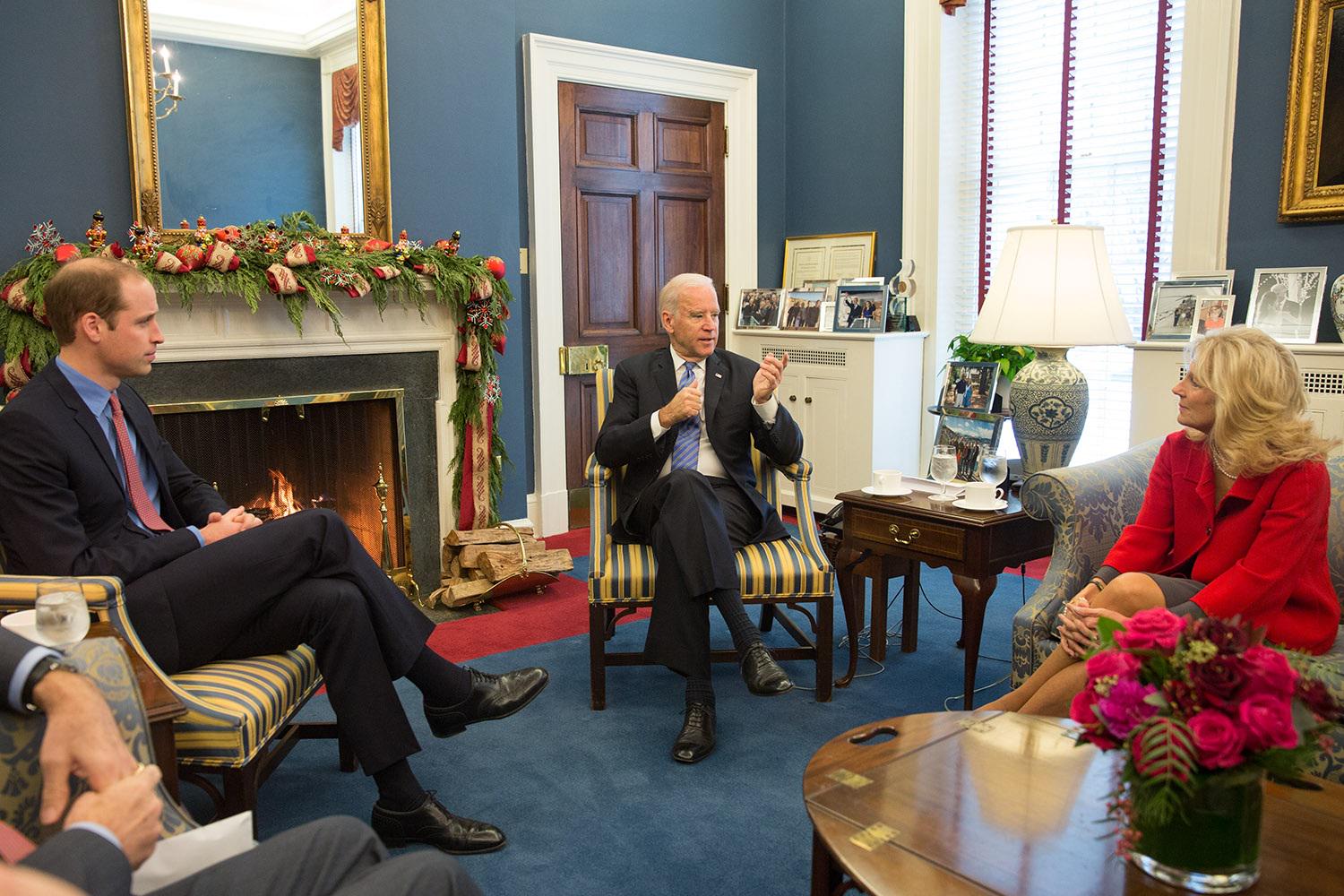
According to Kinsey Schofield, host of “Kinsey Schofield Unfiltered,” Prince William is described as “detached” from Harry and “no longer recognizes” him, as reported by the Daily Express. While the language is dramatic, the broader context is crucial: the heir to the throne is being portrayed not as a hurt brother, but as a future king safeguarding the institution he will inherit.
The Claim Behind the Headlines
Schofield, in her comments to Fox News Digital, suggested that the royal family is exhausted by repeated tensions related to the Sussexes. She noted that Harry was “deeply emotional” regarding his recent security issues, while King Charles was “frustrated,” and William was “detached.” The wider family reportedly has little interest in further drama.
The most striking part of Schofield’s commentary was her assertion that William views decisions through the lens of protecting the monarchy, making him more cautious than sentimental. She added that she had been told William “no longer recognizes” Harry. However, it’s important to note that this is not a direct quote from William or an official statement from the palace. The claim reflects how royal sources and commentators are interpreting the brothers’ silence—not as a temporary cooling-off period, but as a fundamental shift in their relationship.
Why This Moment Hit Hard
The report came at a time when Harry was in the U.K. for events tied to the Invictus Games, including a one-year countdown appearance for the Birmingham Games. Invictus has always been a defining project for Harry, and his return for these events naturally brought the royal family’s fractured dynamics back into the spotlight.
According to the Daily Express, Harry remains on speaking terms with King Charles, but there are reports that he has not spoken with William for some time. This has become the central divide within the broader royal rupture: father and son may still have some contact, while the brothers appear far more distant.
The timing also coincides with ongoing security issues. The Express reported that Harry’s request for police protection was denied, affecting plans for Meghan Markle and their children, Prince Archie and Princess Lilibet, to join him earlier. It was later suggested that Meghan might join Harry, with the possibility that the children could accompany her.
Security and Its Implications
Security is not just a logistical issue in this story; it intersects with Harry’s post-royal life, the family’s safety concerns, and the British public system that determines what protection he receives when in the U.K.
William’s role has evolved. One reason the “no longer recognizes” line has gained attention is that it suggests William is no longer viewing Harry primarily as a younger brother. Instead, the claim presents him as the future monarch weighing risk, precedent, and public trust.
This is the core tension. A sibling relationship can survive emotion, apology, and private repair. An institutional role is colder. It raises different questions: Does this affect the monarchy? Does it create another public cycle? Does it reward behavior the palace sees as damaging?
Harry’s U.K. Visits Carry Baggage
Harry’s trips to Britain are rarely straightforward anymore. Even when the purpose is charitable or ceremonial, they are interpreted through the unresolved questions around his status: royal by birth, outside the working institution by choice, and still deeply connected to causes that often bring him back onto British soil.
The Invictus Games complicate this picture in a sympathetic way. The event is tied to wounded, injured, and sick service personnel and veterans, and it remains one of Harry’s most respected achievements. His presence in Birmingham was not primarily about family conflict.
Yet the family conflict follows him because his role is no longer clearly defined. He is not a working royal, but he is not a private citizen in the ordinary sense. His security arrangements, public appearances, and family travel plans all become part of the larger argument about what he is owed and what the monarchy owes him.
The Silence Is Doing Damage
The most revealing aspect of the William-Harry estrangement may be how little either brother has to say publicly now. The silence creates space for commentators, anonymous sources, and royal watchers to define the relationship for them.
That vacuum is why a phrase like “no longer recognizes” can dominate coverage. It sounds intimate, but it arrives through layers of reporting and interpretation. Readers are left to judge whether it reflects private reality, palace-adjacent sentiment, or simply the latest shorthand for a feud that has lasted years.
Still, silence has consequences. If there is no visible thaw, every U.K. visit by Harry becomes a test. Did he see Charles? Did he meet William? Did Meghan come? Were the children included? Each unanswered question reinforces the idea that the family divide is not just unresolved, but entrenched.
Reconciliation Looks Harder Now
The latest claim does not prove that the brothers’ relationship is beyond repair. Families can change, and royal families have a long history of private recalibration after public strain.
But the path back looks narrower if William’s position is truly as detached as Schofield described. A reunion would not only require emotional repair between two brothers. It would require confidence inside the palace that any contact would not trigger another damaging cycle of leaks, interviews, accusations, or public scrutiny.
That is the practical barrier behind the emotional headlines. The problem is no longer simply that William and Harry are hurt. It is that the monarchy, the media, and the Sussexes’ independent life now form a triangle in which every gesture is interpreted as a signal.
The clean takeaway is this: the “no longer recognizes” claim should be read carefully, because it is attributed commentary rather than William’s own words. But its resonance is real. It captures a royal rift that increasingly looks less like a family argument waiting for an apology and more like a permanent redrawing of roles.
- Author: Tyo Murty

















At the moment there is no comment