
The First Organs to Fail Before Death


info Adjust the font size of this article to get the best reading experience.
The Process of Death: A Biological Perspective
Death is one of the most intriguing aspects of being alive. As a species, humans are uniquely aware that death is inevitable, which allows us to reflect on how, why, and when we will pass away. Science offers insight into the biological mechanisms behind this process. According to Merriam-Webster, death is defined as “a permanent cessation of all vital functions.” These functions are primarily governed by five major organ systems, with the respiratory, nervous, and circulatory systems often leading the way toward the end of life.
The Initial Signs of Death
Death typically begins with the loss of function in the heart, brain, and/or lungs. These organs are essential for sustaining life, and their failure triggers a cascade of events that lead to the cessation of other bodily functions. For example, the lungs are responsible for exchanging oxygen and carbon dioxide during breathing. Oxygen is fundamental to life, as it enables cells to produce energy through cellular respiration. Without oxygen, cells cannot function, leading to the heart stopping its beating and the brain ceasing to generate electrical impulses. Additionally, the buildup of carbon dioxide can be harmful to other organs in the body.
Vital Organs and Their Roles
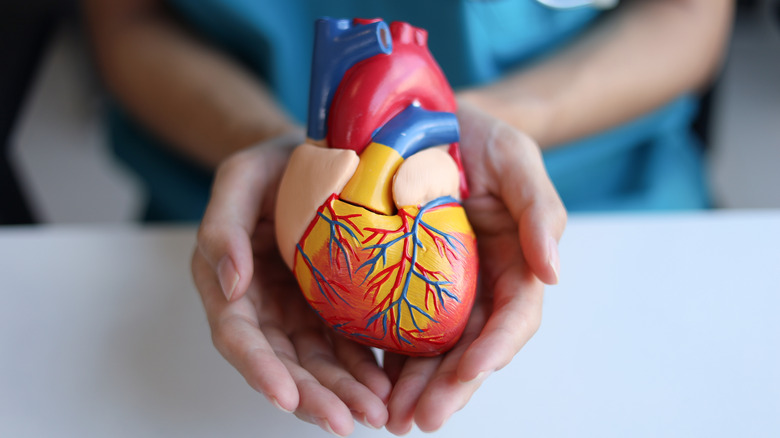
The heart plays a critical role in keeping the body alive. It pumps oxygenated blood throughout the body, ensuring that cells receive the necessary oxygen to function. When the heart stops working, blood flow halts, and cells quickly become deprived of oxygen, leading to their death. Checking a person’s pulse is a common method to determine if they are alive. A pulse occurs when blood is pushed out of the heart, creating arterial pressure. If the heart stops, blood flow ceases, and this can be detected through a pulse check. As someone dies, you might notice their pulse slowing down as the heart fails.
The brain is another vital organ, responsible not only for conscious thought but also for controlling involuntary functions such as heart rate and respiration. These functions are managed by the autonomic nervous system, with the vagus nerve playing a key role. Extending from the brain stem to the abdomen, the vagus nerve sends electric impulses to regulate the activity of various organs, including the heart, lungs, and stomach. Therefore, the brain and other organs rely on each other to maintain life.
Can Death Be Reversed?
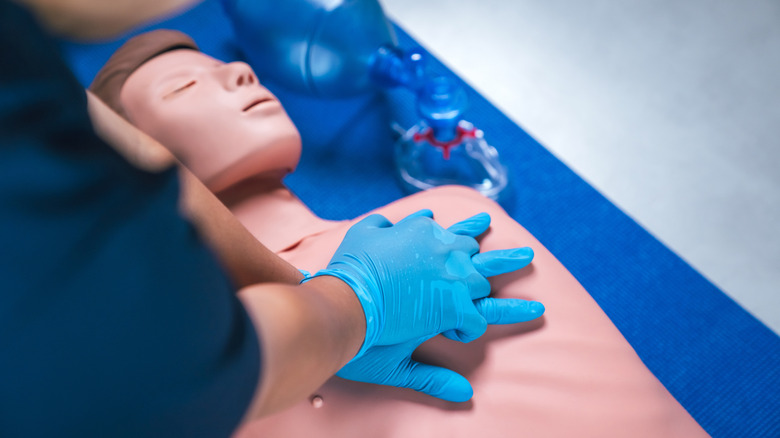
When a vital organ stops functioning, there are measures that can be taken to potentially revive it and increase the chances of survival. One such method is cardiopulmonary resuscitation (CPR), which is used when someone stops breathing and/or loses a pulse. CPR can restore some level of function to the heart or lungs within a short window of time. However, this requires immediate action, and even with prompt intervention, CPR may not always be effective, depending on the severity of the condition.
In hospital settings, CPR increases the chance of survival by approximately 17%. While it is often portrayed as a highly effective technique in movies and TV shows, in reality, death after a cardiac arrest is usually irreversible. Another consideration is the physical trauma that CPR can cause. Chest compressions can be painful and may result in broken or cracked ribs. Even if a person is revived, the brain damage caused by the temporary loss of blood flow can be severe, with about 30% of patients who survive CPR experiencing significant neurological issues.
Final Thoughts on the Process of Death
As the body approaches death, the vital organs stop functioning irreversibly. Attempts to restore their function can be physically damaging. While this may seem bleak, understanding these processes helps us prepare for what might happen if our own hearts stop beating. It also encourages us to consider the medical interventions that may be available in such situations.
For those interested in science and the mysteries of life and death, exploring these topics further can provide valuable insights into the human body and its limitations.
- Author: Tyo Murty




















At the moment there is no comment