
New Rules Address Bank Lending Risks from Illegal Borrowers in the U.S.

info Adjust the font size of this article to get the best reading experience.
New Measures Target Illegal Immigrants’ Access to U.S. Banking System
The Trump administration has introduced new steps aimed at preventing undocumented immigrants from accessing the U.S. banking system. These actions focus on financial institutions that provide loans and other services to individuals living in the country without legal authorization.
On Monday, a coalition of financial regulators is set to release guidance reminding banks and other financial entities of their know-your-customer obligations, particularly concerning credit risk management for borrowers who are not authorized to work in the U.S. This move is part of a broader strategy by the administration to limit the involvement of undocumented individuals in the financial system.
Over the past nine months, several measures have been implemented to encourage banks to remove undocumented individuals as customers, although these measures do not explicitly require banks to take such action. The joint effort involves three key regulatory agencies: the Office of the Comptroller of the Currency, the Federal Deposit Insurance Corporation, and the National Credit Union Association.
These agencies emphasize that undocumented individuals may pose a higher risk to the financial system due to the potential for deportation, which could affect their ability to repay loans. The guidance highlights the importance of assessing a borrower’s willingness and capacity to repay according to the terms of the credit obligation.
Executive Order Sparks Regulatory Changes
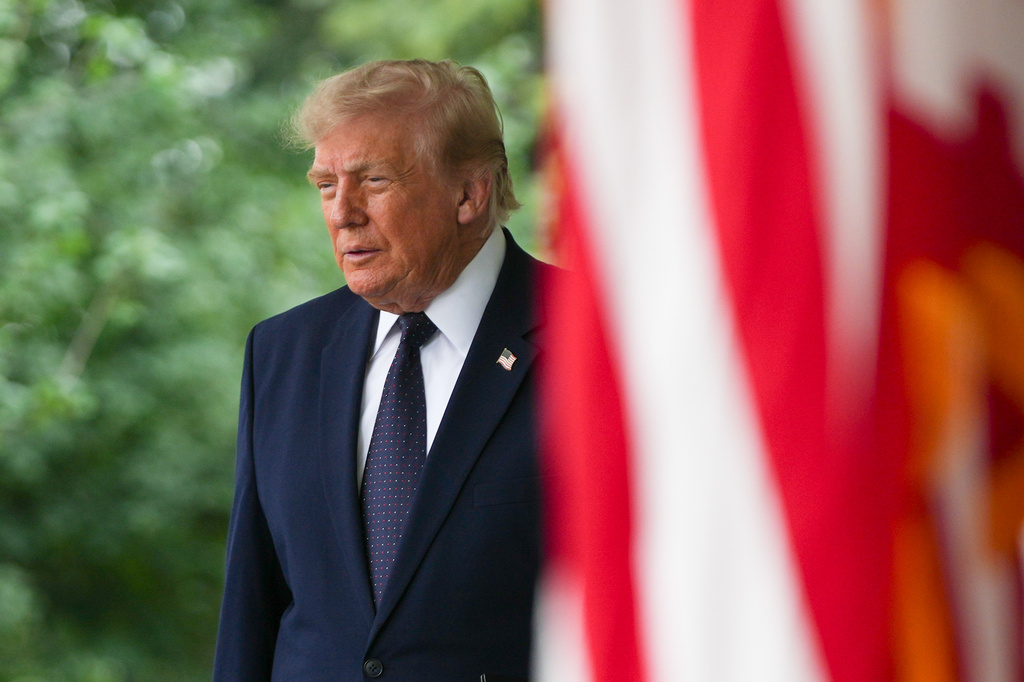
This initiative follows President Donald Trump’s executive order issued in May, which requires banks and other financial institutions to closely examine the citizenship status of their customers. This order initiated a wave of changes in banking regulations, directing regulators and government departments to look for signs that unauthorized workers are opening accounts or obtaining loans and credit cards.
The guidance released on Monday advises financial institutions to implement safe and sound underwriting practices that assess a borrower’s ability to repay. It also includes recommendations for identifying, measuring, monitoring, and controlling risks associated with lending to individuals without legal status.
In May, the Treasury Department’s financial crimes enforcement network (FinCEN) issued an advisory to banks, urging them to be vigilant about identity theft, payroll tax fraud, and money laundering schemes linked to hiring unauthorized workers. The advisory outlines more than a dozen red flags that could indicate an individual is in the U.S. illegally.
Additional Actions by the White House
Beyond these measures, the White House has taken other steps to discourage undocumented immigrants from using the financial system. In November, the Treasury announced that certain refundable tax credits would be reclassified as “federal public benefits,” which would bar some immigrant taxpayers from receiving them, even if they file and pay taxes.
Tax experts suggest that this change would impact DACA recipients, who were brought to the U.S. as children by their parents, as well as immigrants with Temporary Protected Status. These groups could lose access to certain tax credits despite meeting eligibility criteria.
The ongoing efforts reflect a continued focus on restricting the financial opportunities available to undocumented individuals in the U.S. While the exact number of undocumented immigrants with bank accounts or loans remains unclear, the administration’s actions signal a broader strategy to limit their presence in the financial system.
- Author: Tyo Murty



















At the moment there is no comment