
Drained Reflecting Pool Sparks New Concerns

info Adjust the font size of this article to get the best reading experience.
The 2,029-foot strip of water between the Lincoln Memorial and the Washington Monument has been the backdrop for some of the most consequential moments in American history. On a summer day in 1963, 250,000 people pressed against its banks to hear Martin Luther King Jr. speak. In 2026, tourists arriving for the nation’s 250th birthday found it fenced off, half-drained, and ringed with pumps.
Crews are again draining the Lincoln Memorial Reflecting Pool as President Donald Trump’s problem-plagued efforts to revamp the waterway push well past his initial goal of having it ready by July 4 to mark the nation’s 250th birthday. The stated ambition was a century-lasting showpiece. What materialized instead was peeling blue paint, green water, and a former Olympian in handcuffs.
A Pool With a Long History of Problems
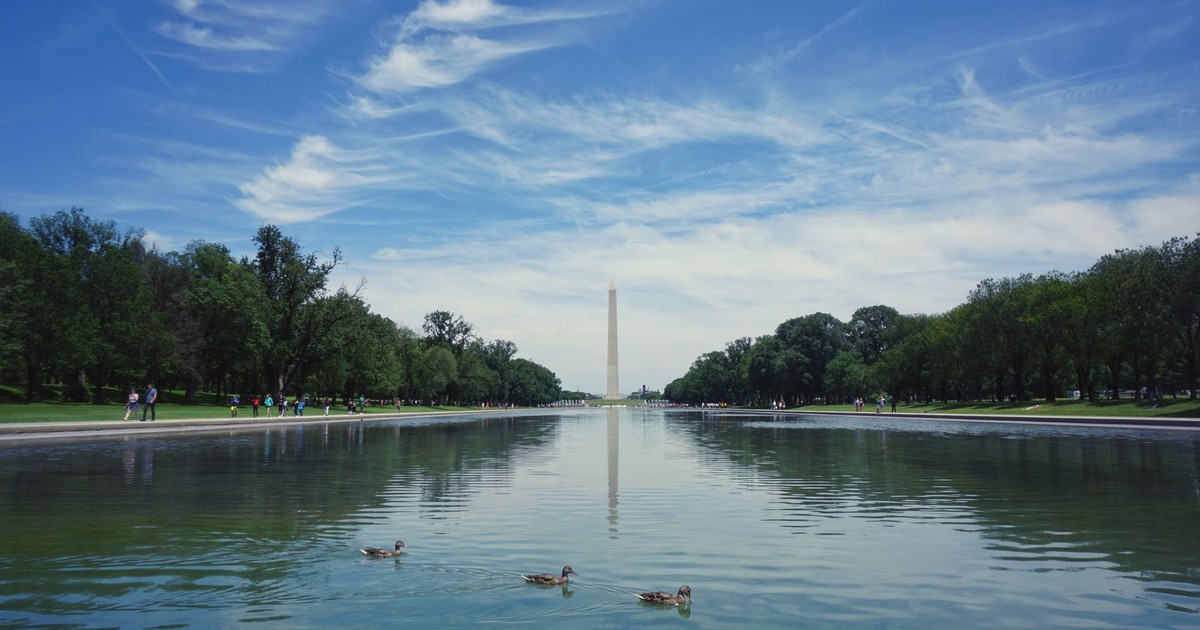
Built in the early 1920s between the Washington Monument and the Lincoln Memorial, the pool is massive. Approximately the length of 12 Olympic-sized swimming pools and the width of two, it ranges from 18 to 30 inches deep. Architect Henry Bacon designed it as a visual amplifier for the Lincoln Memorial, its still surface doubling the memorial’s reflection and extending it toward the Washington Monument.
The pool has never been easy to maintain. Nearly 90 years after its construction, the pool had sunk about a foot into the wet, marshy ground. In 2010, a massive project kicked off to fix the sinking. Between November 2010 and August 2012, crews drained the reflecting pool and worked to restore the water feature, elevating it back out of the marshland and decreasing the depth by about 6 inches.
That project, funded through the American Recovery and Reinvestment Act, cost around $34 million. Algae bloomed in the reflecting pool just weeks after it was refilled with water post-construction.
Algae in a restored reflecting pool isn’t a freak event. Anyone who looked at the 2012 renovation history could have predicted that a new round of work in 2026 would carry the same risk.
The 2026 Renovation: The Plan
Trump initially announced his intentions to beautify the Reflecting Pool this spring, saying he wanted it completed before the nation’s 250th birthday celebrations. Water was drained and he directed that the bottom be painted what he called “American flag blue.” In May 2026, the president posted on social media: “The goal is to have it done, at this higher level, prior to July 4th, We are ahead of schedule!”
Ohio-based Green Water Solutions, also known as Greenwater Services, was given a $1.7 million contract to install a water-purification system in the Reflecting Pool, while Virginia-based Atlantic Industrial Coatings was awarded $14.7 million to repaint and waterproof the pool’s concrete floor. Together, the contracts came to over $16 million. For comparison, the 2012 restoration that physically rebuilt the pool from the ground up, including sinking 2,100 timber pilings into marshy ground, cost $34 million.
The firm that had done that 2012 work turned the 2026 job down flat. Two employees of New Jersey-based Sika Corporation, which provided concrete construction and sealing products for the earlier renovation, said both the July 4 deadline and the requirement for a blue pool bottom made the project “unfeasible.” Rhino Linings, a company best known for truck bed coatings, was ultimately chosen to provide the liner material instead.
The Plan Meets Reality
Within weeks of the project originally reaching completion last month, the water was beset by an algae bloom and pieces of the new coating appeared to be peeling off the bottom. Photographs circulated widely. The striking “American flag blue” liner the administration had showcased was visibly detaching from the pool floor, with flaps of the material floating toward the surface.
Trump has blamed the peeling on vandals. Rather than acknowledging that the coating had failed to adhere properly, a possibility that the pool’s 2012 history would have flagged as a real risk, Trump said the damage was deliberate.
For people visiting Washington that week to take in the America 250 celebrations, the pool’s condition was jarring. The delay caused disappointment for tourists who traveled to Washington for the Fourth in hopes of viewing the newly renovated pool. “It kind of makes me sad a little bit,” Lindsay Anderson, a visitor from Nebraska, told reporters, adding that it was “unfortunate” that a lot of people are here in the nation’s capital and can’t see it.
Black security fencing encircled the entire basin through Independence Day, blocking the views and access that millions of people had expected as part of the country’s semiquincentennial celebrations.
The Arrests and the Olympian
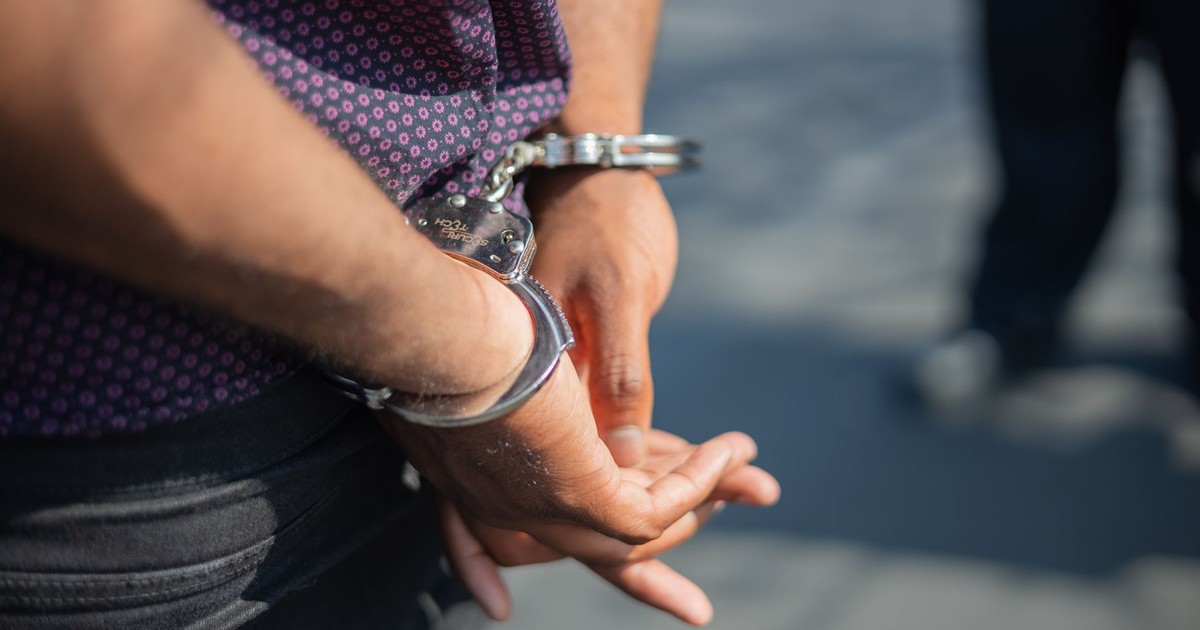
Multiple people were arrested and charged in connection with alleged damage to the pool’s liner. The highest-profile case involved David Hearn, a 67-year-old former Olympic canoeist from Bethesda, Maryland, who competed in the 1992, 1996, and 2000 Summer Olympics.
U.S. Olympic canoeist David Hearn was indicted by a grand jury in Washington, D.C., for destruction of property in connection with damaging the liner of the Lincoln Memorial Reflecting Pool. The three-time Olympian told The Washington Post after his arrest that he had been cycling when he stopped at the Reflecting Pool to look at it. While there, he said, he reached into the water to feel what a partially detached piece of blue liner felt like, after which he was arrested.
U.S. Attorney Jeanine Pirro announced the felony charge against Hearn, who faces a maximum possible sentence of 10 years in prison if convicted in District of Columbia Superior Court. Hearn pleaded not guilty in D.C. Superior Court to a charge of destruction of property causing more than $1,000 in damage to the Lincoln Memorial Reflecting Pool.
His defense team argued that the prosecution was political cover for a renovation that had already failed before Hearn ever stopped his bike. Superior Court Judge Carmen McLean released Hearn on his own recognizance. His next hearing is scheduled for Aug. 5.
At least three other people were charged in the same court with misdemeanors for allegedly removing pieces of paint from the Reflecting Pool, according to online court records. All three pleaded not guilty during their initial court appearances.
The Drain, Repeat Cycle
Against that legal backdrop, crews began draining the pool again. Interior Secretary Doug Burgum, whose agency oversees the National Park Service, told conservative podcaster Katie Miller in an interview released earlier this week that the new round of draining was planned. Burgum’s stated plan was straightforward: “Drain the water, clean up the fireworks stuff. Repair the vandalism that was done. Fill it back up again.”
The pool had been closed for the Independence Day celebration, and Trump had billed the event as featuring the largest fireworks display in the world. Burgum also said that the Trump administration would not seek bids for the new rounds of repairs. He told CNN’s State of the Union: “We’ll use the same company because they did a fantastic job.”
The companies in question, Green Water Solutions and Atlantic Industrial Coatings, had performed the initial work that resulted in the algae bloom and peeling liner. Their continued involvement without a competitive bidding process drew criticism from congressional Democrats. Democratic senators and House members are investigating the pool project, including seeking answers about how much taxpayer funding is involved.
The Bigger DC Picture
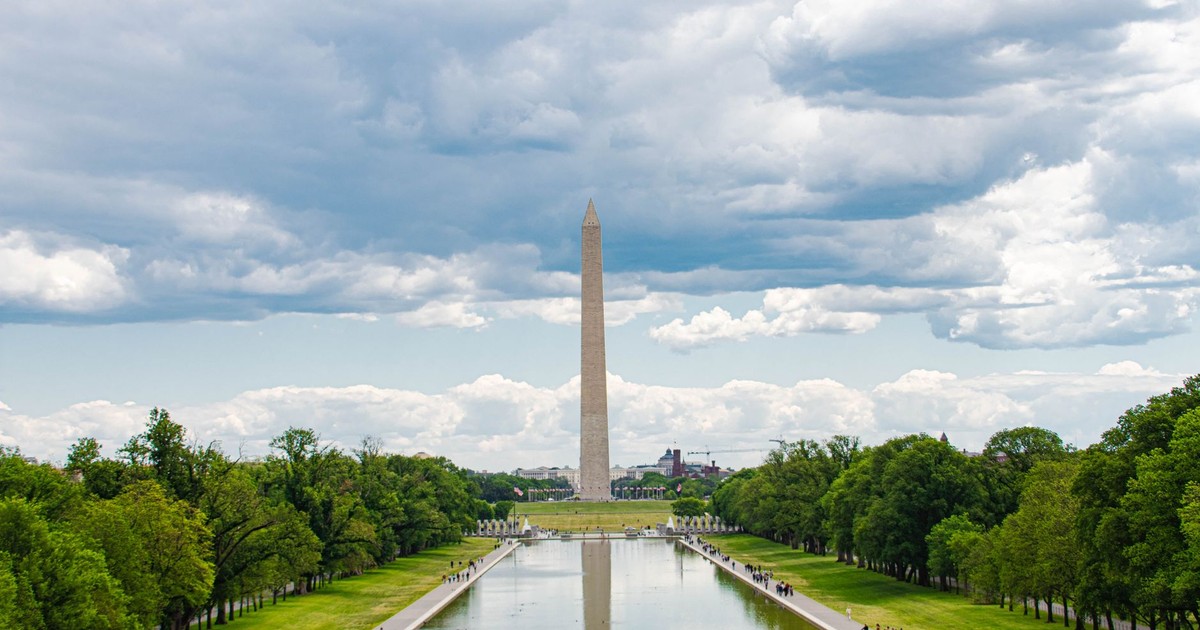
The work on the Reflecting Pool is just one of a number of projects Trump has spearheaded across the nation’s capital. Most prominently, he demolished the White House’s East Wing to build a $300 million ballroom and plans to build a towering arch between the Lincoln Memorial and Arlington National Cemetery.
Trump ordered these restorations as part of the “Making the District of Columbia Safe and Beautiful” initiative, originally established by Executive Order 14252 to increase policing, enhance security, and restore the urban aesthetics of Washington, D.C. The Reflecting Pool was among the most visible and symbolically charged of those projects, positioned directly between two of the country’s most recognizable monuments and sitting at the center of the National Mall’s ceremonial axis.
The pool’s architectural significance is hard to overstate. It draws around 24 million visitors each year, making it one of the most visited public spaces in the United States. It has been the backdrop for Marian Anderson’s 1939 Easter concert, the 1963 March on Washington, and the 2009 Obama inaugural celebration.
The Unresolved Question

Court records show that a sharp implement damaged the liner in a June 9 incident, before Hearn was anywhere near the pool. Some visitors did tamper with a liner that was already visibly peeling away from the concrete floor. But the more fundamental question, why a $14.7 million coating applied in spring 2026 was peeling within weeks of application, has not received a full public accounting.
The 2012 restoration had the same algae problem in its first weeks, and officials at the time explained it as an ozone calibration issue with the new filtration system. A liner that peels off a concrete pool floor is a different and more serious failure. Whether that reflects a materials problem, a surface preparation issue, an incompatibility between the new sealant and the existing concrete, or something else, remains unclear from public statements.
A project announced in spring 2026 with promises of a century-long lifespan required multiple draining cycles by July 10, a date when the pool was supposed to be gleaming for the nation’s birthday party. Trump initially estimated the full cost of his renovation at $1.8 million and projected a one-to-two-week timeline. As of that same week, the project had taken more than 60 days and carried a price tag at least seven times higher than originally announced.
What Remains Fenced Off
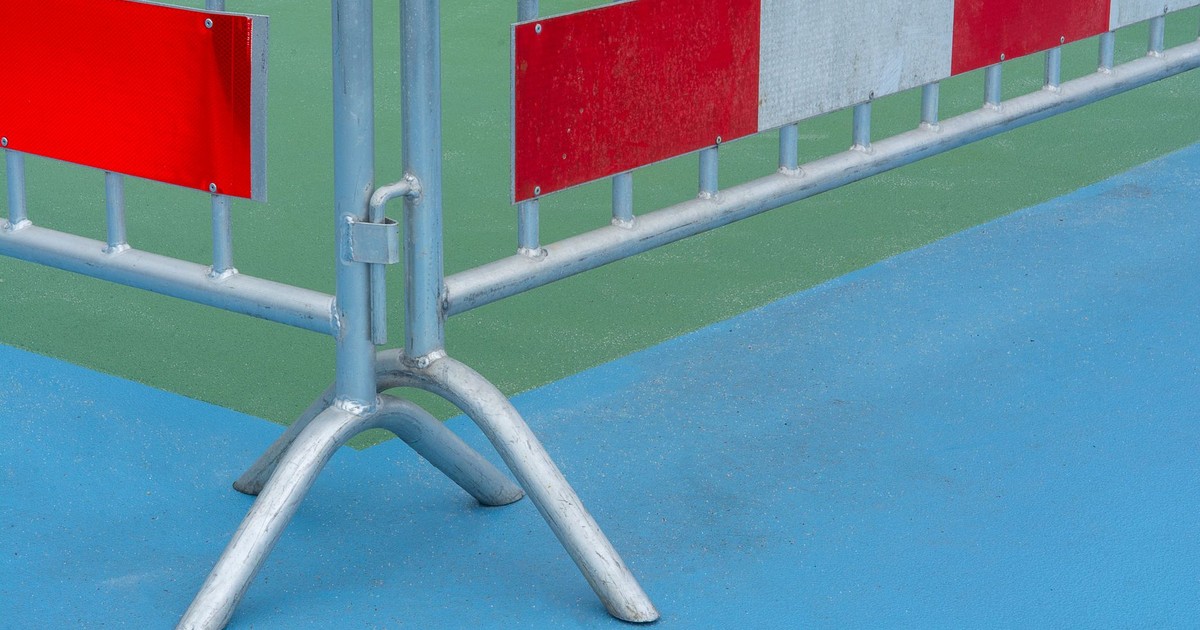
A century-old piece of American civic infrastructure sits drained behind black fencing on the National Mall. Tourists walk the granite paths on either side and photograph an empty concrete basin where reflections of the Lincoln Memorial used to be. The pumps are running. The same contractors are returning. A former Olympian has a court date in August.
The pool has been through worse in its long history. It sank into the ground. It hosted parasites that killed 80 ducks. It leaked half a million gallons a week before the 2012 reconstruction rebuilt it from scratch. Each time, it was restored. The question for this particular episode isn’t whether the pool will eventually hold water again, it will. The harder question is what the distance between the “century-lasting renovation” announcement and the third draining in a single summer reveals about how large public works decisions get made when the goal is a deadline rather than a durable outcome.
The company that actually knew how to seal this pool’s concrete said the job couldn’t be done safely in the time allowed and walked away. The administration found a replacement contractor and set the same deadline anyway. The concrete still needed what it needed, regardless of what was promised in May.
- Author: Tyo Murty



















At the moment there is no comment