
Iran Orders Ship Requests for Hormuz Passage, Potential Extra Fees Despite Trump Agreement
- account_circle Editorial Daily News Lite
- calendar_month Saturday, 20 Jun 2026
- visibility 3
- comment 0 comment
- print Print
info Adjust the font size of this article to get the best reading experience.
Iran’s New Regulations on Strait of Hormuz Passage
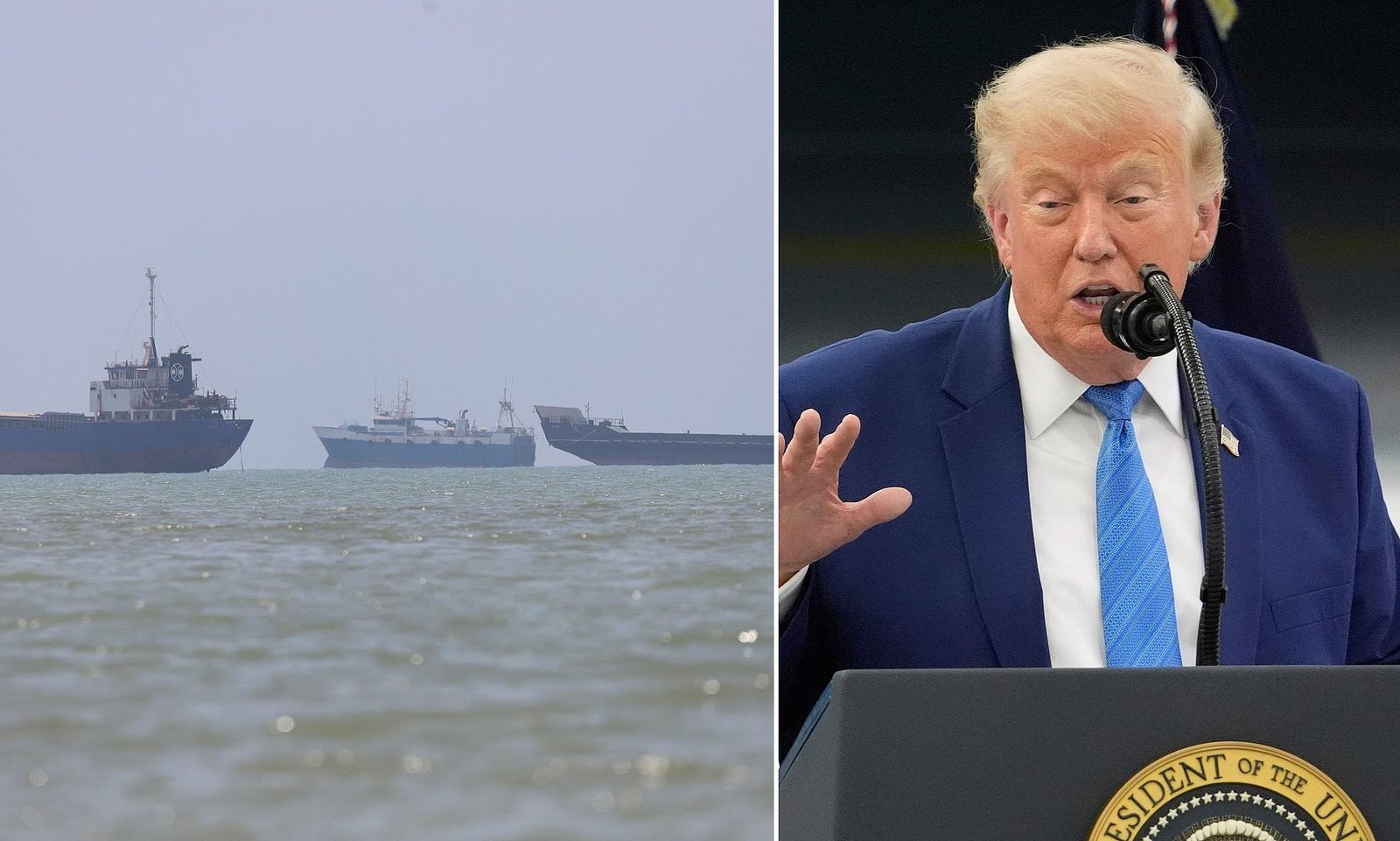
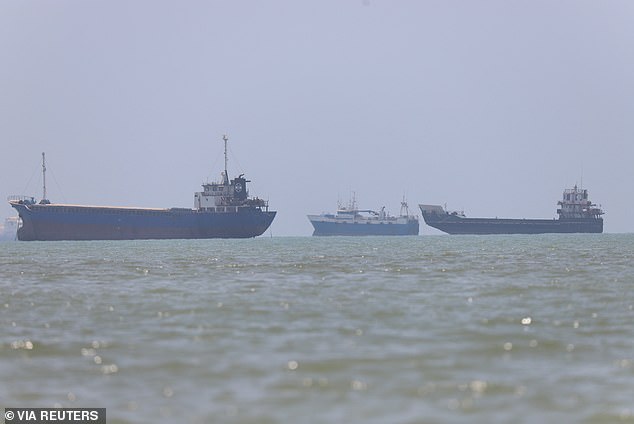
Iran has introduced new regulations requiring ships to seek permission before using the Strait of Hormuz, a critical maritime passage. This move could potentially lead to future charges, which might affect household bills and global trade.
The Persian Gulf Strait Authority (PGSA), a government agency established by Tehran during an earlier ceasefire, announced that vessels must submit requests to pass through the strategic strait at least 48 hours in advance. Additionally, administrative tariffs, including those related to Iranian insurance, will be waived during the 60-day negotiation period outlined in the interim peace deal. This allows for the possibility of charging fees at a later date.
The announcement follows Donald Trump’s declaration of a peace deal between the US and Iran, which ended Iran’s control over the sea route. The blockage of the Strait had disrupted global oil and gas supplies, with 20% of the world’s supply passing through the area. It also caused fuel and food prices to rise, as highlighted by Sir Keir Starmer, who pointed out the “untold economic damage” caused by the closure of the waterway.
However, the interim agreement only secures toll-free passage through the Strait for 60 days, pending a final settlement on Iran’s disputed nuclear plans. The accord leaves it to Iran and Oman, along with other Gulf states, to define the future administration and maritime services in the Strait of Hormuz. It emphasizes that this must align with international law, which upholds freedom of navigation.
Despite the previous deal with Tehran and G7 leaders, which emphasized the “right of transit passage without restrictions or tolls,” the PGSA continues to require vessels to apply for permission due to mine-affected areas and the need for safe passage. The authority stated that passing requests, complete with all required information, must be submitted at least 48 hours before arriving at the strait area.
During the 60-day period, tariffs for security, safety, and environmental services, as well as related Iranian insurances, will not be collected from shipowners and will be borne by the government of the Islamic Republic of Iran.
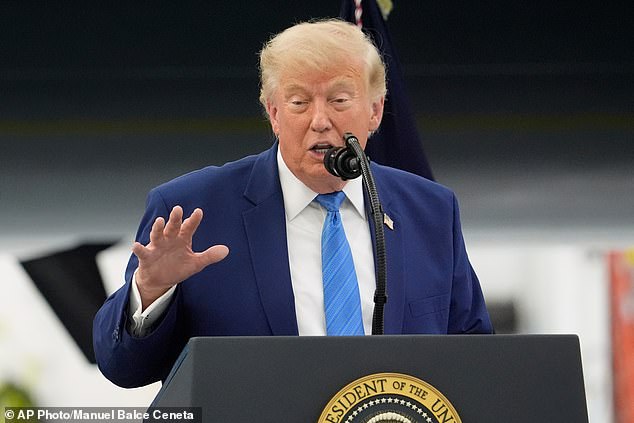
Donald Trump criticized the latest hold-up on his Truth Social platform, stating that Tehran would receive “no money, not ten cents!” He claimed, “The war has diminished Iran! We didn’t meet out of desperation, Iran did. They are finished. We’ll play out the 60 days. They get no money, not ten cents!”
Meanwhile, US Vice President JD Vance reiterated the country’s position at the White House, emphasizing that international waterways should be free of tolls. He added, “The final negotiations can set the terms of what comes afterwards. I keep coming back to this fundamental structural point of this negotiation, which is that we have all the cards.” He also stressed that the Strait should “never used as a chokepoint for the global economy ever again.”
At a summit in France, the Prime Minister and his peers welcomed Mr. Trump’s “breakthrough” agreement with Iran. The G7 group emphasized the need for a “robust and comprehensive” follow-up accord to bring peace and security to the region. They issued a joint statement reaffirming the right of transit passage without restrictions or tolls as the bedrock of international trade.
The UK-French-led effort aims to enable shipping to pass safely through the strait once hostilities with Iran end, by reassuring commercial operators and verifying the removal of all mines. While Sir Keir has stated the UK will play its full part in the defensive mission, he has not yet specified when support could arrive.
A Foreign Office spokesperson said: “We congratulate the United States, the Iranian government and all those involved, including Pakistan, Qatar and all other mediators, on this diplomatic breakthrough. The agreement is a real chance to de-escalate tensions, restore stability, and crucially to reopen the Strait of Hormuz. Our position has been consistent and will not change. We are clear that toll-free freedom of navigation must now be restored in the Strait of Hormuz in line with international law, to begin easing the severe economic impacts that have been felt for several months – on families here in the UK and around the world. There can be no place for Iranian tolls. We will continue to work with our partners to ensure the Strait is open to all.”
Meanwhile, Israel and Hezbollah agreed to a ceasefire after intensified fighting in Lebanon led to the cancellation of planned US-Iran talks in Switzerland. The interim deal has enabled Iran to immediately start selling its oil, with the promise of economic sanctions being lifted in the future. Frozen assets have also been released under the agreement, as well as access to a £227 billion reconstruction fund if they strike a deal on Tehran’s nuclear programme.
However, the agreement has faced criticism in Washington, including from some of the US president’s Republican allies, who argue the concessions go too far. Additionally, Mr. Trump abandoned his original promise to destroy Iran’s ballistic missiles, claiming it would be “unfair” if they did not have some.
Former president Barack Obama noted that it appeared the US was “worse off” now than before Mr. Trump launched the war against Iran in February. He told NBC, “We’ve now fought a war, spent billions and billions of dollars, you know, put enormous strain on our military. A lot of people have died. And it feels like we’re back where we were before we started the war, except maybe a little bit worse off.”
He pointed out that Iran had agreed not to develop nuclear weapons in the 2015 deal his administration struck with Tehran, which was scrapped by Mr. Trump in his first term. He said, “This administration, or a prior version of this administration, pulled out of it, which then caused Iran to develop more nuclear capacity.”
- Author: Editorial Daily News Lite














At the moment there is no comment