
First Deadly Bird Flu Case Confirmed in Australia
- account_circle Editorial Daily News Lite
- calendar_month Saturday, 20 Jun 2026
- visibility 3
- comment 0 comment
- print Print

info Adjust the font size of this article to get the best reading experience.
First Detection of Deadly Bird Flu Strain in Australia
Australia has confirmed its first case of the deadly H5N1 bird flu strain, marking a significant development in the country’s ongoing efforts to monitor and manage avian influenza. The discovery was made by government officials who tested a Brown Skua that had washed up on a beach in Western Australia.
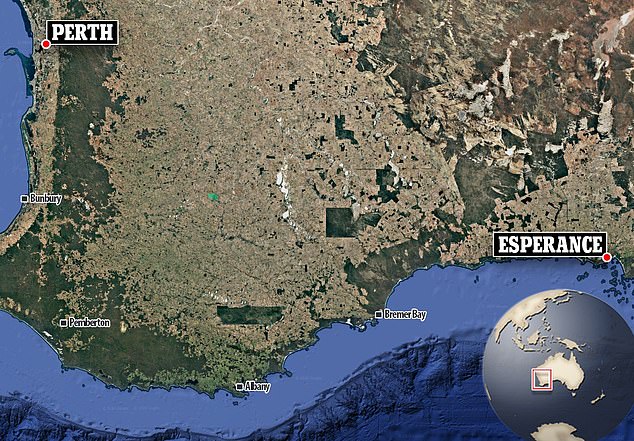
Agriculture Minister Julie Collins announced the confirmation at a press conference on Saturday. She explained that the Brown Skua, found sick in an isolated area near Esperance, tested positive for the highly pathogenic H5N1 strain. This is the first time the strain has been detected on mainland Australia, as it has already caused mass deaths among birds globally. Prior to this, mainland Australia was the only continent without any reported cases of the virus.
“This is a type of migratory seabird,” Collins said. “It was found sick on an isolated area near Esperance in Western Australia. As I said, this is the highly pathogenic strain of concern that has been circulating globally and this is its first detection on mainland Australia.“
In addition to the Brown Skua, samples from a sick giant petrel have also been tested, with a suspected positive result for H5 influenza. These samples will be sent to CSIRO’s laboratory for confirmatory testing.
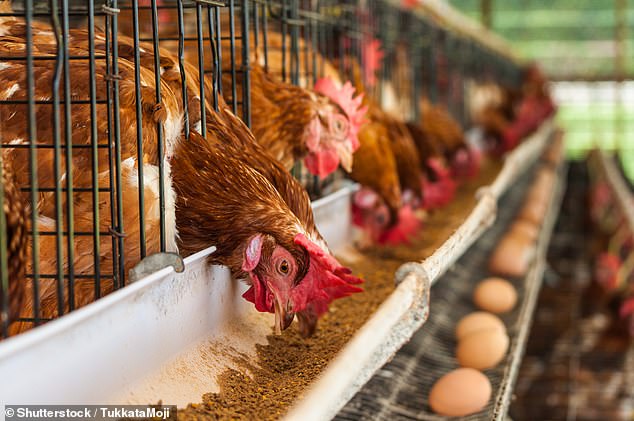
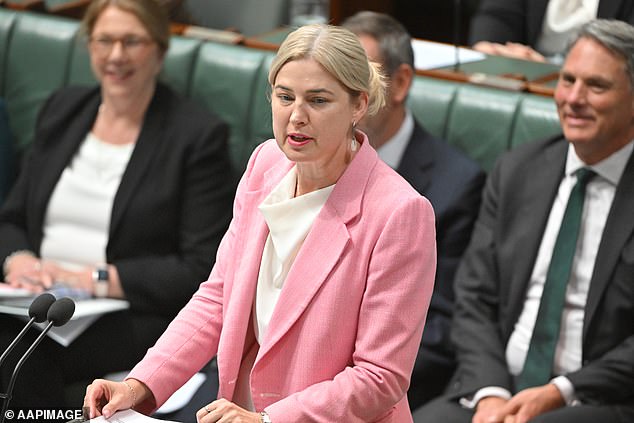
Collins emphasized that there is currently no evidence of mass mortalities or poultry infections. “We have looked at what has happened overseas and we have learnt from that, which is why we have invested early,” she said. “I have been talking about our investments in bird flu preparedness now for almost two years. We all knew that we couldn’t be bird flu free forever, and that we are the only continent that was bird flu free.”
The deadly H5N1 strain is considered to pose an exceptionally small risk to human health. It was first detected on Australian soil in October on Heard Island, a remote World Heritage-listed site located approximately 4,000 kilometers southwest of Perth. Scientists who visited the island estimated that more than three-quarters of the southern elephant seal pup population—13,359 out of 17,364—had died from the disease.
States and territory representatives, along with industry experts, met on Friday to discuss planning after the initial reports of the Brown Skua testing positive for the H5 strain.

Chief Veterinary Officer Beth Cookson urged Australians to avoid touching dead birds. “If you encounter sick or dead birds, we are asking that you avoid contact with them, that you record information about the location of the dead bird, as well as take any information that might be helpful to us, like videos or photographs, and report that to our Emergency Animal Disease hotline,” she said.
Threatened species commissioner Dr. Fiona Fraser noted that this is Australia’s first detection of the strain, and that it is not yet widespread. “We will know within a few days whether or not this has established itself in any populations in Australia or whether it’s migratory birds that have come up from the sub-Antarctic, for instance,” she said. “So we’ll know a bit more detail within a few days of this investigation on how bird flu got into Australia.”
She added that if the virus arrives in Australia, over 31 threatened species are now being protected under these measures. “The most important thing we can do for our native species is to actually take efforts to build their resilience to this disease in the wild, because we can’t stop the disease itself, so that is well underway.”
- Author: Editorial Daily News Lite



















At the moment there is no comment