
The AI Doctor Will See You Now! NHS App Alerts Patients on GP Needs

info Adjust the font size of this article to get the best reading experience.
Introduction to AI Integration in the NHS
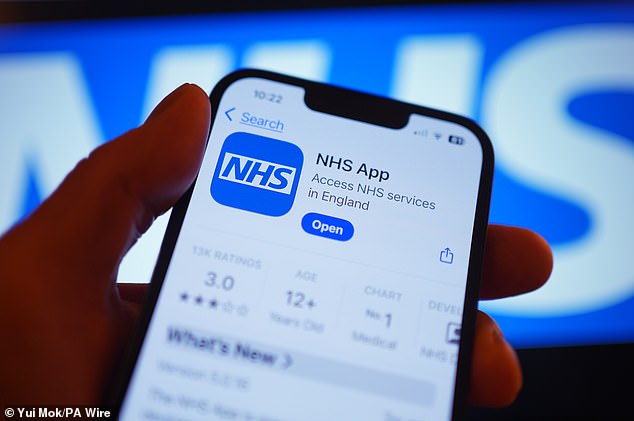
Artificial intelligence is set to revolutionize the way patients interact with the National Health Service (NHS) in the United Kingdom. A new triage tool, integrated into the NHS app, will help patients determine whether they should book a general practitioner (GP) appointment or visit the emergency department (A&E). This innovative approach aims to streamline healthcare access by guiding users to the most appropriate care based on their symptoms and health concerns.
The triage tool will ask a series of questions to assess the user’s condition and provide recommendations accordingly. This system is expected to be available to all NHS app users by April 2028, with an initial rollout targeting over 200,000 patients within the next 12 months. The initiative is part of a broader effort to modernize the NHS through technological advancements, aiming to improve efficiency and patient outcomes.
Benefits of AI in Healthcare
The introduction of this AI tool has been largely welcomed by healthcare professionals and organizations. However, some health bodies have emphasized the importance of prioritizing patient safety, confidentiality, and inclusion as the NHS becomes increasingly reliant on artificial intelligence.
A trial conducted at a GP practice in Sussex demonstrated significant improvements, with a 29% reduction in the number of people waiting on the phone for an appointment. Dr. Ragu Rajan, from Wealden Ridge Medical Partnership, highlighted the benefits of integrating AI triage into the NHS app, stating that it allows patients to communicate their needs effectively and receive timely care.
Funding and Expansion of AI Technology
The NHS is also leveraging £10 billion in government funding allocated last year to overhaul its technology and data systems. Part of this investment includes the implementation of AI tools that can record conversations between patients and staff, generating real-time transcriptions to save time on note-taking. This technology will be rolled out nationally, with trials already showing promising results.
A trial led by Great Ormond Street Hospital for Children and conducted across nine NHS sites in London found that NHS staff spent almost 25% more time interacting with patients when using the AI note-taking tool. This increase in patient interaction highlights the potential of AI to enhance the quality of care provided by healthcare professionals.
The rollout of the AI note-taking tool will initially focus on hospital appointments that do not require an overnight stay. Four NHS trusts in London—St George’s, Epsom and St Helier, Croydon, and Kingston and Richmond—are among the first to implement this technology. Additionally, Alder Hey Children’s NHS Foundation Trust in Liverpool and Manchester University NHS Foundation Trust are expanding their AI note-taking programs.
Leadership and Vision for the Future
Sir Jim Mackey, chief executive of NHS England, emphasized the transformative potential of the technology overhaul, stating that the new AI tool in the NHS app will help patients access the right service first. This includes GP appointments, pharmacy visits, or self-care advice, ensuring that clinicians can prioritize those most in need of a GP appointment.
Mackey also highlighted the benefits of AI note-taking tools, which allow clinicians to spend up to a quarter more time with patients. He stressed the importance of rolling out these tools as quickly as possible across the NHS, prioritizing improvements that will make the biggest difference for patients and supporting local leaders in driving change.
Health Secretary James Murray echoed these sentiments, emphasizing the need to embrace technologies that will shape the future of the NHS. He noted that the investment in AI would help patients access the right care faster, reduce administrative burdens on clinicians, and drive down waiting times.
Concerns and Considerations
Despite the positive developments, the Royal College of Nursing (RCN) has raised concerns about the state of the NHS’s IT infrastructure. Professor Lynn Woolsey, chief nursing officer at the RCN, pointed out that some community nursing staff still lack basic equipment such as mobile phones and face challenges with slow computers and poor connectivity.
Woolsey acknowledged the potential of AI note-taking to ease administrative burdens but warned against overly optimistic assessments of productivity benefits. She emphasized the importance of ensuring patient safety, with health professionals making key decisions in the AI triage process. Privacy and confidentiality must also be prioritized, with proper safeguards in place to protect sensitive patient data.
Tory shadow health secretary Stuart Andrew called for a fully-funded plan to introduce new technology that delivers value for taxpayers. He criticized the previous government for lacking a credible plan for the NHS and highlighted the need for modernization to complement reform efforts.
Conclusion
The integration of AI into the NHS represents a significant step toward modernizing healthcare services. While the technology offers numerous benefits, including improved efficiency and patient care, it is essential to address concerns related to safety, confidentiality, and infrastructure. As the NHS continues to evolve, the successful implementation of AI will depend on careful planning, robust safeguards, and a commitment to enhancing the overall healthcare experience for patients and staff alike.
- Author: Tyo Murty



















At the moment there is no comment