
Ukrainian Drones Strike St. Petersburg Oil Terminal in Long-Range Russian Attack
- account_circle Tyo Murty
- calendar_month Saturday, 4 Jul 2026
- visibility 15
- comment 0 comment
- print Print

info Adjust the font size of this article to get the best reading experience.
A Ukrainian drone attack struck an oil terminal in St. Petersburg on Saturday, according to Russian officials. This incident marks another escalation in the ongoing conflict as Kyiv continues its campaign targeting Russia’s oil infrastructure. These attacks have led to a fuel crisis and increased political pressure on the Kremlin, especially as the war in Ukraine enters its fifth year.
Governor Alexander Beglov stated that the Kirovsky district of St. Petersburg, located on the Baltic Sea, was hit. He also mentioned that air defenses managed to shoot down 72 Ukrainian drones across the city and the surrounding region. Ukrainian President Volodymyr Zelenskyy described the attack as part of Ukraine’s “long-range sanctions” against Russia. He claimed that Ukrainian forces also targeted a military installation on the island of Kronstadt, near St. Petersburg.
“The Ukrainian defense forces hit the port oil infrastructure, which earns money for the Russian war, and there were also hits on Kronstadt — an important military target,” Zelenskyy said in a post on Telegram.
The Kirovsky district had previously been attacked in June, just before Russia’s St. Petersburg International Economic Forum. The Crimean peninsula, which Russia annexed in 2014, has experienced significant damage from these strikes. As a result, local authorities have suspended gasoline sales to civilians. On Saturday, a Ukrainian attack killed one person and injured two others, including a 10-year-old child, according to the Moscow-installed Governor Sergei Aksyonov.
Ukrainian attacks bring the war home
Russian President Vladimir Putin has dismissed the Ukrainian strikes on energy facilities as “not critical” and has insisted that the war will continue until his goals are achieved. He has suggested that the attacks are an attempt by Ukraine to divert attention from its battlefield losses, although analysts note that recent months have seen a slowdown in Russian advances.
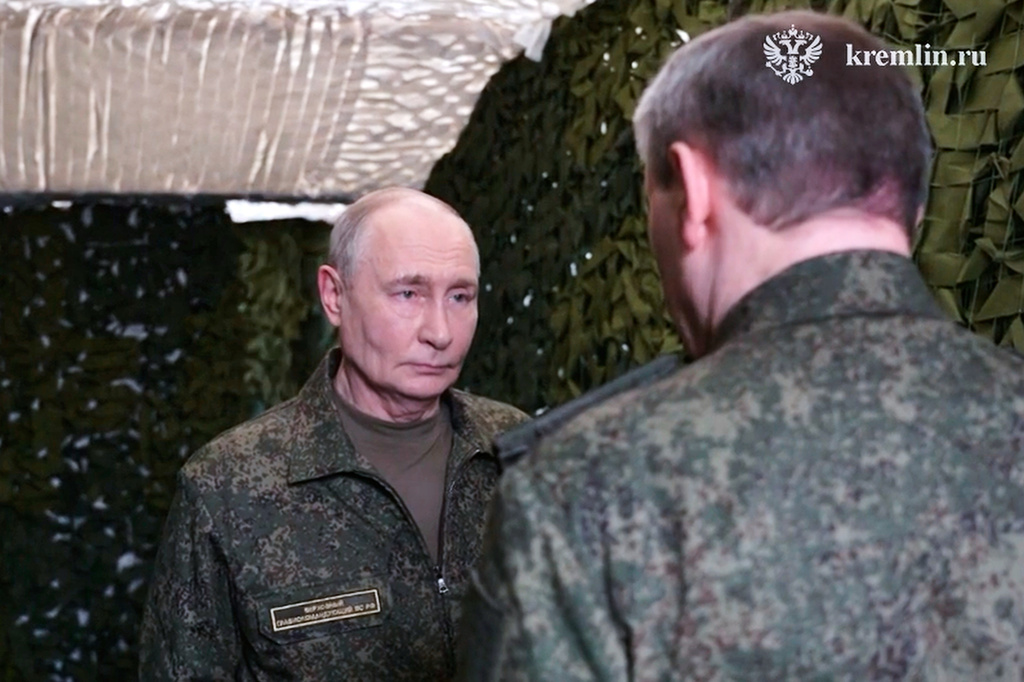
On Friday, Putin visited the Russian military headquarters overseeing the war in Ukraine and received a report on the capture of the city of Kostyantynivka after weeks of intense street fighting. He praised this as a key step toward capturing nearby cities of Sloviansk and Kramatorsk, which are considered strongholds in the Donetsk region that remain under Ukrainian control.
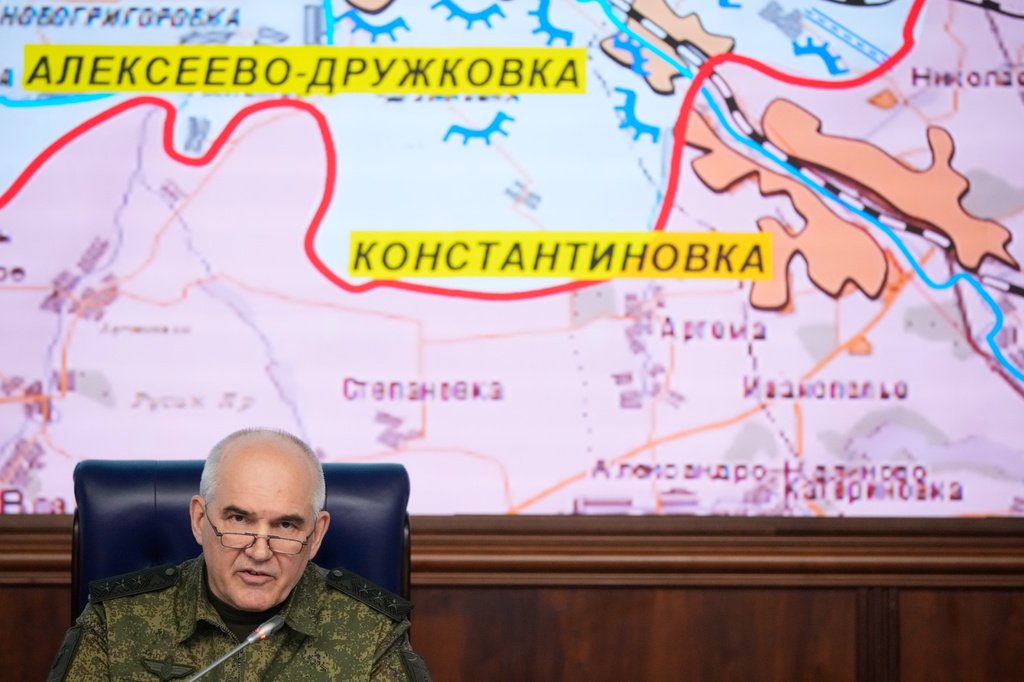
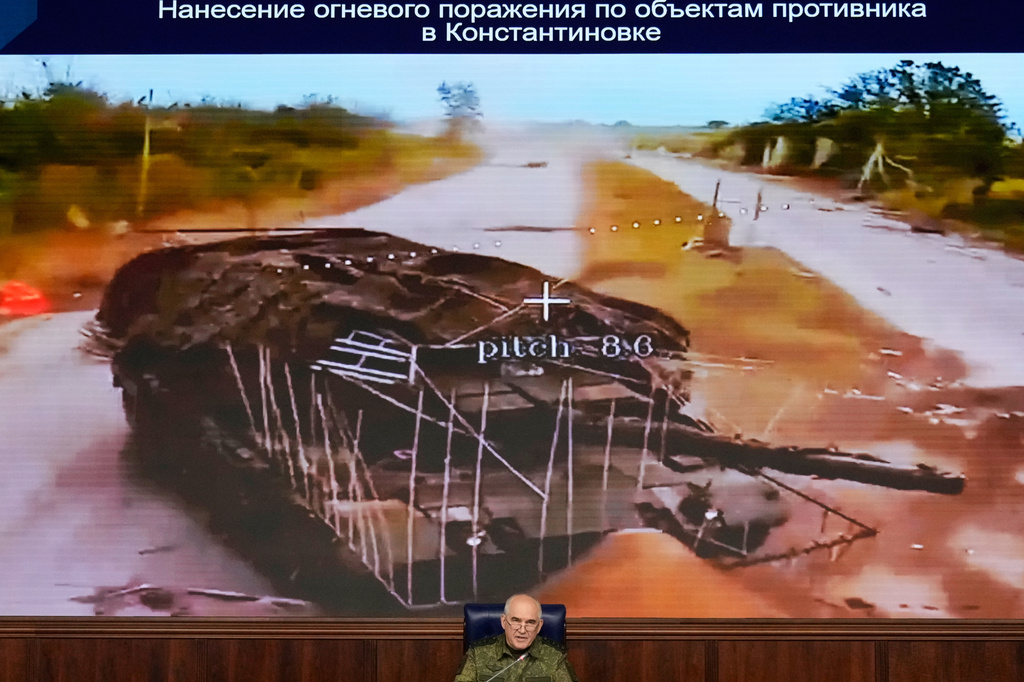
The capture of Kostyantynivka, a major transport and industrial hub, is of “major strategic importance,” Putin said in televised comments while wearing military fatigues. In a briefing on Saturday, Colonel General Sergei Rudskoy, the first deputy chief of the General Staff of the Russian armed forces, stated that Ukrainian troops had been pushed back several kilometers and that fighting was occurring on the outskirts of Oleksiievo-Druzhkivka.
“The city is now under our full control. Units of the Southern Army Group are completing the clearance of city blocks, rooting out small groups and individual Ukrainian fighters who may still be hiding in basements and ruins,” he said.
Zelenskyy denied that Russia had taken control of the city. “It is just another Russian lie, an attempt to generate some kind of a news story,” he wrote on social media. “If Kostiantynivka were under Russian control, then perhaps Putin would have no problem meeting me there to find a diplomatic way to finally end this war. But the fact is, he won’t cross the front line — reality is very different from Putin’s words.”
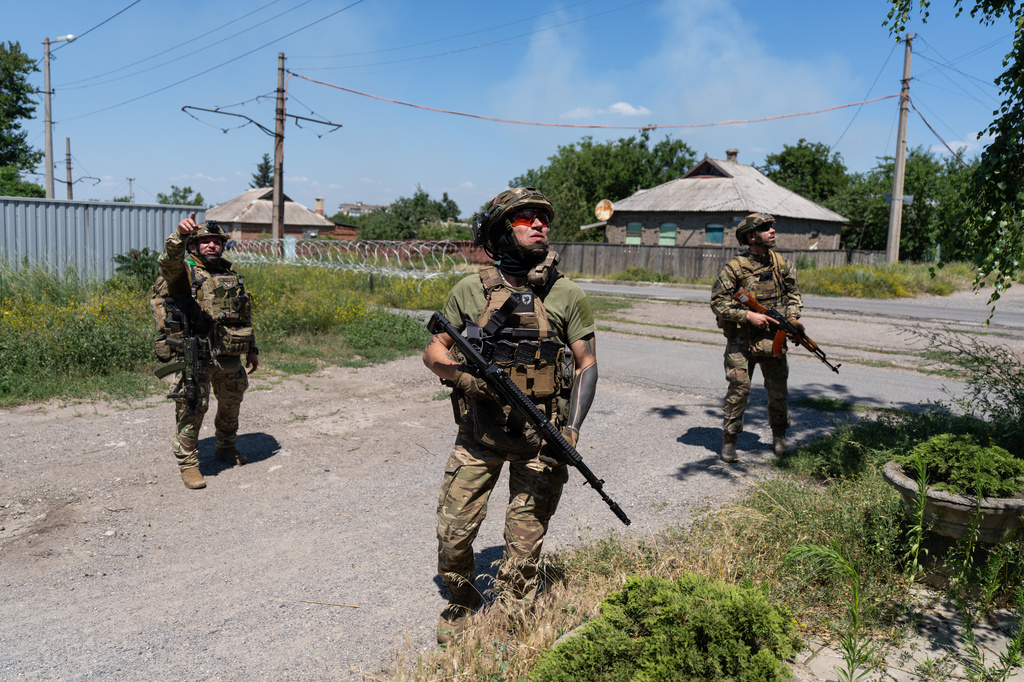
However, the Kremlin quickly rejected Zelenskyy’s offer. Russian presidential spokesman Dmitry Peskov told Radio Komsomolskaya Pravda on Saturday evening that Putin would meet the Ukrainian leader in Moscow once Kyiv was ready to make “important, consequential decisions.”
Putin seems to believe that his government can manage the fuel crisis without affecting his authority or public support for the war launched more than four years ago. At the very least, the attacks have made the war more personal for millions of Russians, challenging Putin’s narrative that the conflict does not impact ordinary citizens in his country.
The border city of Belgorod, which has also been repeatedly targeted by Ukrainian drone strikes, was left almost completely without power on Saturday due to overnight attacks, according to local media. Meanwhile, eight people were wounded in a Russian attack that struck residential buildings in Ukraine’s southeastern region of Zaporizhzhia, including two children, according to local authorities.
- Author: Tyo Murty














At the moment there is no comment