
Citrus Peels in Tomato Gardens: A Smart Garden Hack?
- account_circle Tyo Murty
- calendar_month Saturday, 4 Jul 2026
- visibility 16
- comment 0 comment
- print Print

info Adjust the font size of this article to get the best reading experience.
The Truth About Using Citrus Peels in Your Garden
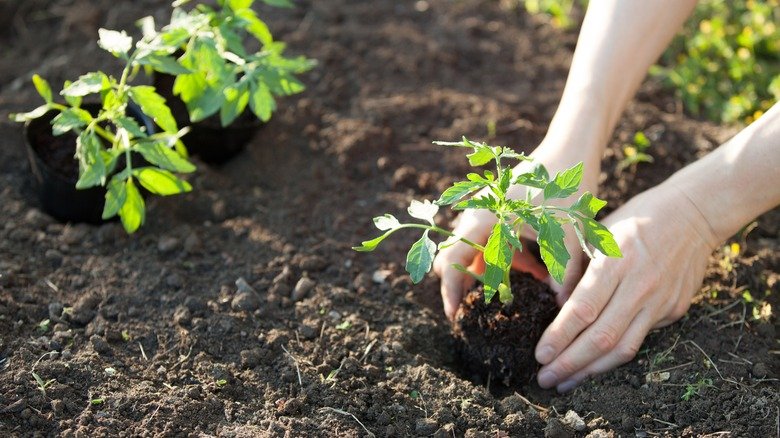
There are many myths surrounding the use of citrus peels in home gardens. Some people believe they are too acidic for compost, don’t break down easily, and can harm beneficial microbes. These concerns might make you question whether citrus peels are suitable for your garden, especially when it comes to growing tomatoes. The answer isn’t a simple yes or no. While citrus peels can be beneficial for your tomato crops when properly used, their acidity and slow decomposition mean you need to be careful with how you apply them.
Tomatoes thrive in slightly acidic soil, with a pH between 6.2 and 6.8. Citrus peels, due to their citric acid content, have a high acidic value that can significantly affect your soil’s pH. If your soil is alkaline and not ideal for tomatoes, adding citrus peels can help improve its acidity. However, if your soil is already acidic or slightly acidic, using citrus peels could negatively impact your tomato plants’ growth.
Composting citrus peels can take up to six months, even under favorable conditions. But there are ways to speed up the process, especially if you live in a hot climate. To accelerate decomposition, chop the peels into smaller pieces and bury them deep within your compost pile. Turning the pile once a week will also help increase oxygen levels, which speeds up the breakdown process.
Citrus Peels as Fertilizer and Natural Pesticide
Citrus peels can serve as both a fertilizer and a natural pesticide. As they decompose, especially orange peels, they release essential nutrients like nitrogen, phosphorus, and potassium, which are crucial for tomato plant development. Additionally, orange peels contain limonene, a natural compound found in many pesticides that helps control pests like ants and aphids—common problems in tomato gardens.
However, because citrus peels don’t biodegrade quickly, leaving them in your garden may attract other pests such as slugs and snails. If you want to use orange peels to keep pests away and nourish your tomatoes, consider making a DIY liquid fertilizer.
To make a large batch, soak the peels from about 12 oranges in 2 to 3 gallons of water for three days. After straining the mixture, you can use the resulting liquid to water your tomato plants. For a smaller batch that uses every bit of the peels, blend the skin of two oranges with a small amount of water for one minute. Then add 1 teaspoon of water to ensure the mixture becomes a liquid suitable for watering your garden. This method is particularly effective against insect infestations.
Tips for Using Citrus Peels Effectively
- Chop and bury citrus peels in your compost pile to speed up decomposition.
- Turn your compost pile weekly to increase oxygen levels and promote faster breakdown.
- Use citrus peels as a natural pesticide by making a liquid fertilizer to deter pests.
- Avoid overusing citrus peels if your soil is already acidic, as this can harm your tomato plants.
- Consider blending peels into a liquid form for easy application and maximum nutrient absorption.
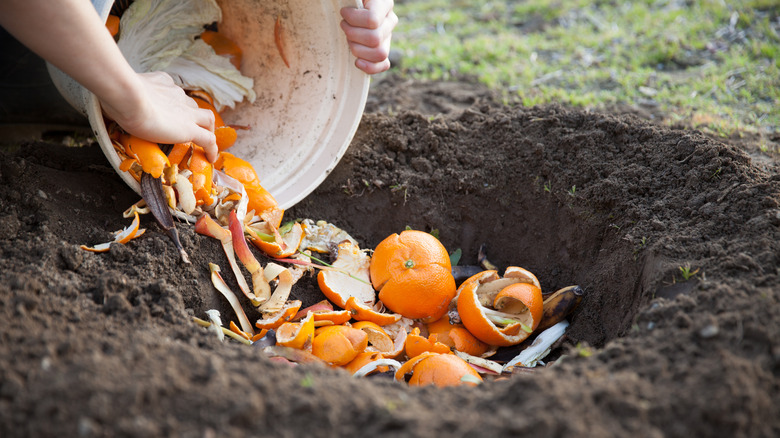
By understanding the benefits and limitations of using citrus peels in your garden, you can make informed decisions that support healthy tomato growth. Whether you choose to compost them, use them as a natural pesticide, or turn them into a liquid fertilizer, citrus peels can be a valuable resource when used correctly. With the right approach, you can reduce waste and enhance the productivity of your garden.
- Author: Tyo Murty




















At the moment there is no comment