
Ceasefire Shattered: US Military Launches Massive Strikes on Iran After Drone Attack on Oil Tanker in Strait of Hormuz

info Adjust the font size of this article to get the best reading experience.
Escalation in the Strait of Hormuz
The United States military launched a series of strikes against multiple targets in Iran on Saturday afternoon. This action came in response to an earlier drone attack by Tehran against a commercial ship in the Strait of Hormuz, which occurred early that morning. The U.S. Central Command (CENTCOM) confirmed the operation, stating that it was a direct reaction to what they described as continued Iranian aggression against commercial shipping.
Details of the U.S. Strikes
According to an official statement released by CENTCOM, the U.S. military aircraft targeted several key elements of Iran’s military infrastructure. These included surveillance systems, communication networks, air defense sites, drone storage facilities, and minelayer capabilities. The strikes were aimed at disrupting Iran’s ability to conduct further attacks on commercial vessels in the region.
This follows a previous round of U.S. strikes against Iran just one day prior, which were carried out in response to drone attacks on four commercial ships in the Strait of Hormuz. Although one of the ships was hit during the earlier attack, there were no reported casualties, and the vessel continued its journey without significant disruption.
The Incident Involving the M/T Kiku
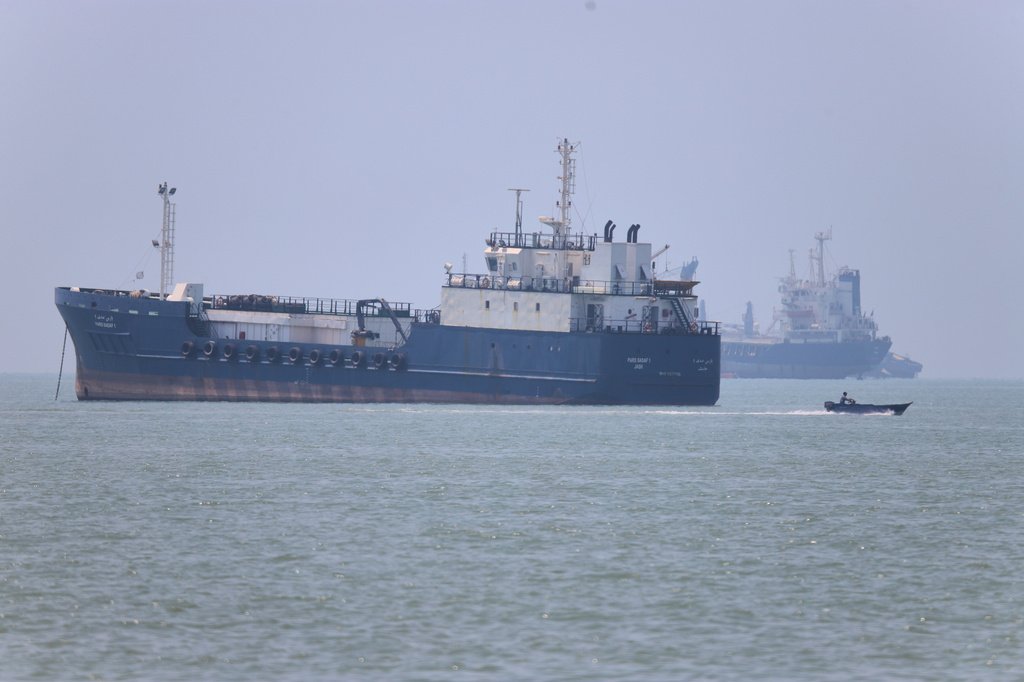
The latest strike was prompted by an attack on the M/T Kiku, a Panama-flagged tanker. The vessel was transiting near the Strait of Hormuz with over two million barrels of crude oil when it was struck by a one-way attack drone at 4:30 a.m. ET on Saturday. The incident occurred after Iran had been given an opportunity to honor a ceasefire agreement following the previous U.S. strikes. Instead, Iranian forces proceeded with another attack, leading to the current escalation.
Political Reactions
President Donald Trump strongly criticized Iran’s decision to target commercial ships in the Strait of Hormuz, calling it a “foolish violation” of the ceasefire agreement. Meanwhile, Vice President JD Vance emphasized a firm stance, stating that “violence will be met with violence.”
Additional Attacks on Bahrain
In addition to the attack on the M/T Kiku, Iran also launched a drone assault on the country of Bahrain on Saturday morning. This further highlights the growing tensions in the region and raises concerns about the stability of the existing ceasefire agreements.
Ongoing U.S. Presence
Despite the escalating conflict, the CENTCOM statement noted that commercial vessel transits through the Strait of Hormuz continue. It also reaffirmed that U.S. forces remain vigilant, lethal, and ready to respond to any further threats. The situation remains tense, with both sides showing little willingness to back down from their positions.
Implications for Regional Security
The recent events underscore the fragile state of security in the Strait of Hormuz, a critical waterway for global trade. The repeated attacks on commercial vessels have not only disrupted maritime traffic but also raised fears of a broader regional conflict. As the U.S. continues to take decisive action, the international community is closely watching how Iran will respond to these escalating tensions.
Conclusion
The ongoing conflict between the U.S. and Iran in the Strait of Hormuz has serious implications for global trade and regional stability. With both sides engaging in military actions and strong political rhetoric, the situation remains volatile. The international community is urging restraint and diplomatic solutions to prevent further escalation and ensure the safety of commercial shipping in the area.
- Author: Tyo Murty



















At the moment there is no comment