
The “Free” Device in Your Living Room Could Be Hiding a Massive Cyber Threat

info Adjust the font size of this article to get the best reading experience.
A recent report has revealed that cybercriminals are hijacking millions of American internet connections to carry out various illegal activities. This alarming trend highlights the growing threat of cyberattacks that exploit the increasing number of smart devices in homes across the country.
Understanding the Threat
According to research, the average American household now owns 17 internet-connected devices. These include smartphones, laptops, smart TVs, and a wide range of Internet of Things (IoT) devices such as security systems, video doorbells, smart thermostats, and even appliances. While these devices offer convenience and connectivity, they also present new vulnerabilities that cybercriminals can exploit.
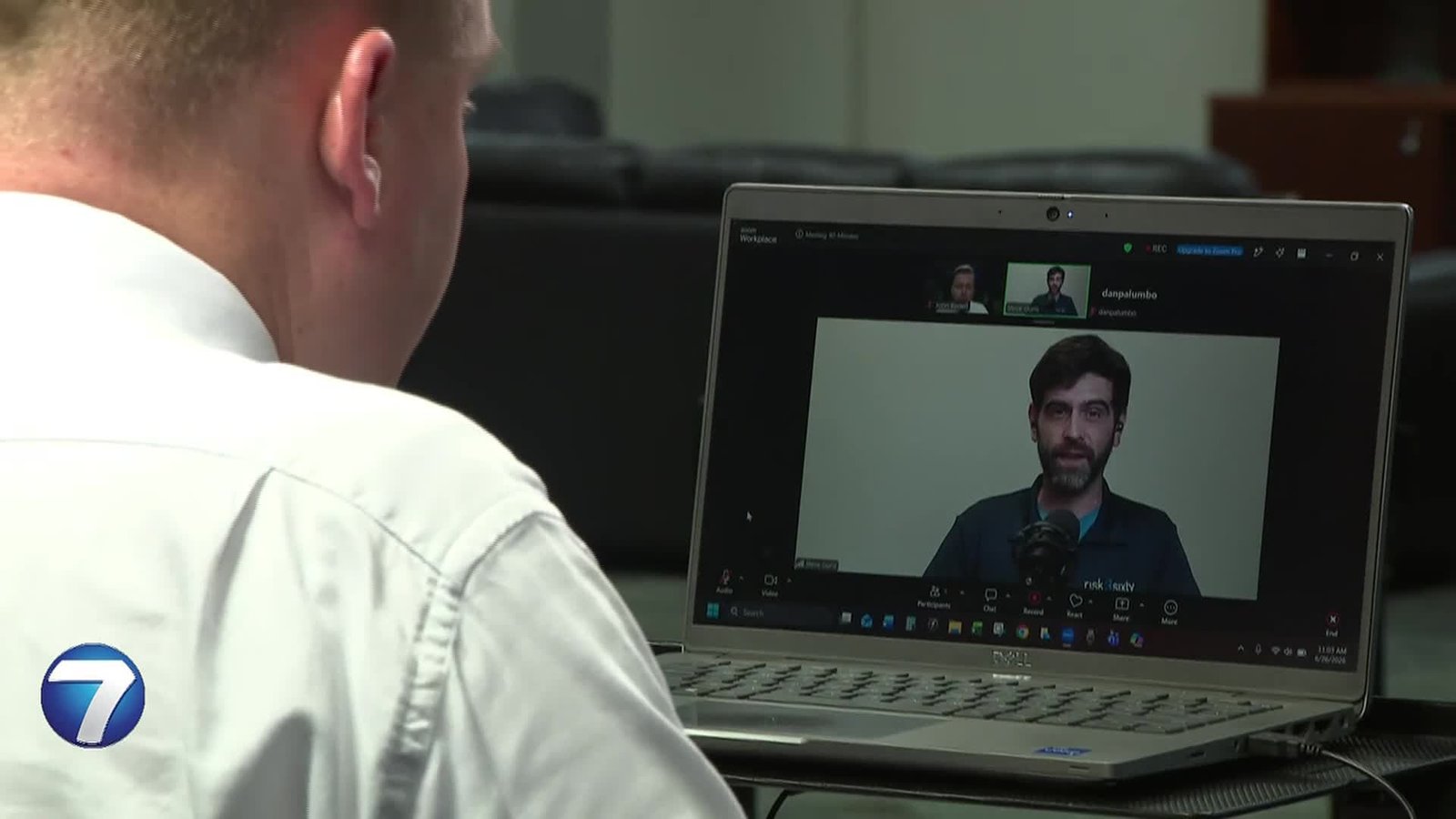
Steve Guris, the Threat Intelligence Lead at risk3sixty, explained how criminals are using these devices for nefarious purposes. “It’s used for credit card fraud, identity theft, you know, to obfuscate your activity, doing all kinds of nefarious activity,” he said. Guris was one of the lead researchers on a report from the Digital Citizens Alliance (DCA), which found that approximately 20 million U.S. internet connections are exploited each year by cybercriminals based abroad.
How the Exploitation Happens
Guris described how this exploitation often begins with seemingly harmless actions. “So what the report really gets into is how this happens to your average American, your average citizen in Dayton, where you’ll purchase a device that claims to give you something for free,” he said.
He pointed out that certain devices, such as those that provide free movies or TV channels by installing a box, come with pre-loaded software that scans home networks. This software looks for other devices to compromise and turn into connections for cybercriminals.
“Anyone with access to these networks can hop in on to hide their traffic. So in essence, it doesn’t look like a cybercriminal is doing something. It looks like somebody in Dayton is doing some sketchy,” Guris added.
Real-Life Impact
The impact of these cyber threats is real and concerning. Amy Kurrek, a resident of Huber Heights, expressed her fears about the situation. “I think it’s really scary, yeah, definitely want to find a way to prevent it,” she said.
Guris emphasized that protecting oneself from these threats isn’t overly complicated. “Number one, don’t install or download things that are claiming to give you something for nothing, because in that instance, you are more than likely the product,” he advised.
He also warned against downloading free Virtual Private Networks (VPNs) or any software from non-reputable developers. These tools can often be malicious and serve as entry points for cybercriminals.
Best Practices for Internet Safety
In addition to avoiding suspicious downloads, Guris recommended keeping up with the age of internet devices. “Older devices are more vulnerable, and anything older than five years should be replaced,” he said. This advice is especially important as newer devices typically come with updated security features that help protect against emerging threats.
By staying informed and taking proactive steps, individuals can significantly reduce their risk of falling victim to cybercrime. As technology continues to evolve, so too must our approach to online safety.
Conclusion
The rise of interconnected devices has brought both convenience and new challenges in the realm of cybersecurity. With the right precautions, however, individuals can safeguard their personal information and protect their homes from cyber threats. As Guris noted, awareness and vigilance are key in today’s digital landscape. By following best practices and staying informed, everyone can play a role in creating a safer online environment.
- Author: Tyo Murty




















At the moment there is no comment