
Measles Virus Found in Douglas County Wastewater, No Cases Confirmed
- account_circle Tyo Murty
- calendar_month Wednesday, 15 Jul 2026
- visibility 12
- comment 0 comment
- print Print


info Adjust the font size of this article to get the best reading experience.
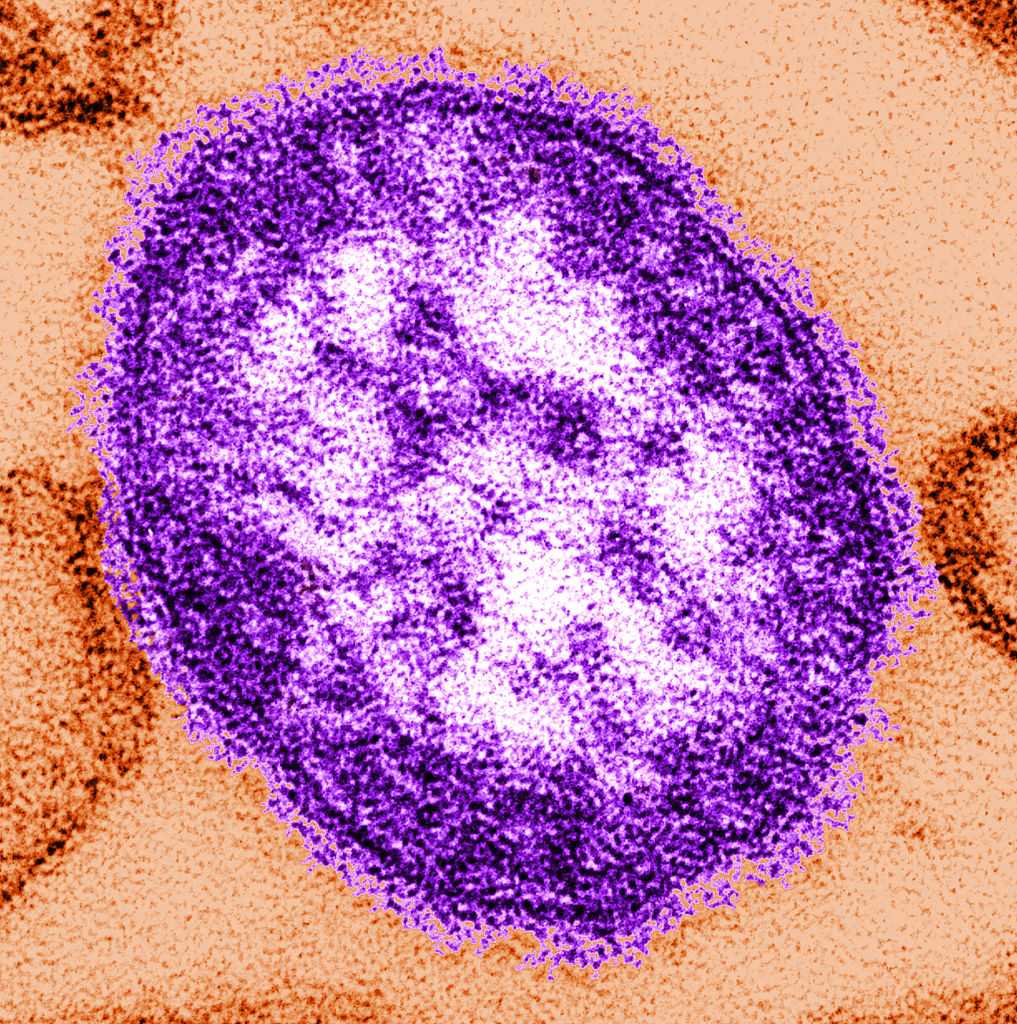
Measles Virus Detected in Wastewater, But No Confirmed Cases in Douglas County
Health officials in Douglas County have reported the detection of the measles virus in local wastewater. This discovery was made during routine monitoring efforts conducted by the Lawrence-Douglas County Public Health department. Despite this finding, there are currently no confirmed cases of measles within the county.
The presence of the virus in wastewater does not necessarily indicate that someone in the community is infected. Instead, it serves as a warning sign that the virus may be circulating in the area. The health department emphasized the importance of maintaining high vaccination rates to prevent the spread of measles and protect those who are more vulnerable to severe illness.
“Although there are currently no confirmed cases of measles in Douglas County, maintaining high vaccination coverage remains the best way to prevent measles and protect community members who may be at a higher risk for severe illness,” the health department stated in a news release. “If you have received two documented doses of MMR vaccine, your risk of getting measles is very low.”
Understanding Measles Symptoms
Measles is a highly contagious viral infection that can lead to serious complications, especially in young children and individuals with weakened immune systems. Common symptoms include:
- High fever
- Cough
- Runny nose
- Red, watery eyes
After a few days, a rash typically appears, starting on the face and spreading downward across the body. If someone suspects they have measles, it is important to contact their healthcare provider before visiting a clinic or hospital. This helps prevent potential exposure to others and ensures appropriate care is provided.
Preventing the Spread of Measles
LMH Health recommends that anyone experiencing symptoms of measles should seek medical advice promptly. Early diagnosis and isolation can help reduce the risk of transmission to others. Additionally, individuals who are unsure about their vaccination status should consult with their healthcare provider to determine if they need to receive the MMR vaccine.
The MMR vaccine is one of the most effective ways to prevent measles, mumps, and rubella. It is typically administered in two doses, with the first dose given around 12 months of age and the second dose between 4 and 6 years of age. Adults who were not vaccinated as children may also benefit from receiving the vaccine, especially if they are planning to travel or live in areas with outbreaks.
Community Awareness and Education
Public health officials encourage residents to stay informed about the latest developments regarding measles and other infectious diseases. They also recommend staying up-to-date with vaccinations and following guidelines provided by local health departments.
Community awareness plays a crucial role in preventing the spread of diseases like measles. By understanding the risks and taking proactive steps to protect themselves and others, individuals can contribute to a healthier and safer environment for everyone.
What You Can Do
Here are some key steps individuals can take to help prevent the spread of measles:
- Get vaccinated: Ensure that you and your family receive the recommended doses of the MMR vaccine.
- Stay informed: Keep up-to-date with local health advisories and recommendations.
- Practice good hygiene: Wash hands frequently and avoid close contact with people who are sick.
- Seek medical advice: If you experience symptoms of measles, contact your healthcare provider before visiting a clinic or hospital.
By working together, the community can help prevent the spread of measles and protect those who are most at risk. Stay vigilant, stay informed, and take action to keep your neighborhood safe.
- Author: Tyo Murty


















At the moment there is no comment