
Why this vibrant South American spot deserves a pass
- account_circle Tyo Murty
- calendar_month Tuesday, 14 Jul 2026
- visibility 14
- comment 0 comment
- print Print

info Adjust the font size of this article to get the best reading experience.
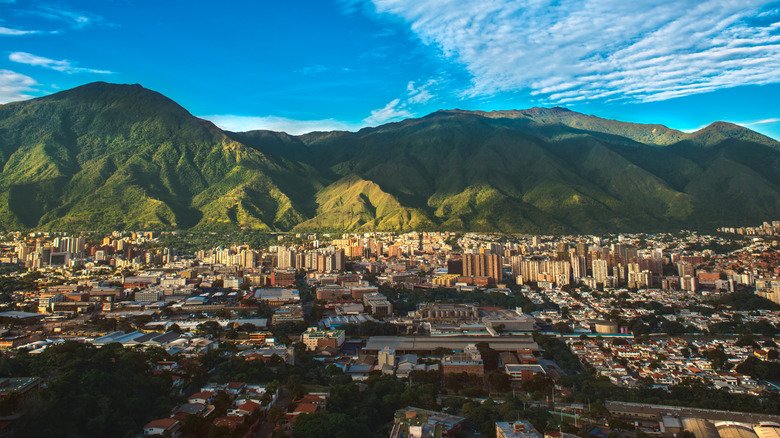
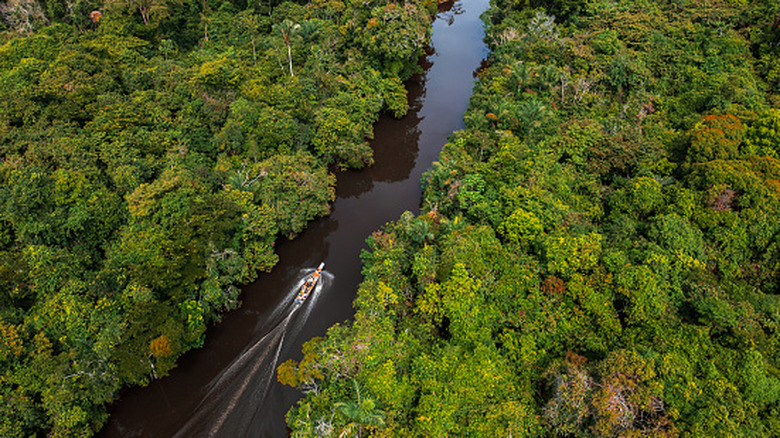
Venezuela has long been an underappreciated travel destination in South America, often overshadowed by its negative reputation. While it’s true that the country has faced numerous challenges, it also boasts natural beauty and unique opportunities for adventure seekers. The Llanos Plains are home to a variety of wildlife, including anacondas, capybaras, pumas, and jaguars. In the lush jungles near the Andes foothills, giant anteaters, sloths, and howler monkeys thrive. Angel Falls, the tallest waterfall in the world, is a must-see, and Los Roques National Park offers incredible snorkeling and scuba diving experiences.
For many years, Venezuela’s image as a tourist destination was tarnished by the U.S. State Department, which issued a Red Level 4 Travel Advisory: Do Not Travel. However, in March 2026, this rating was downgraded to Orange Level 3: Reconsider Travel. This change signals a potential shift, making Venezuela more accessible for adventurous travelers. Despite this, the political situation remains unstable, and the country is still recovering from a devastating earthquake, which means that careful planning is essential for any traveler considering a visit.
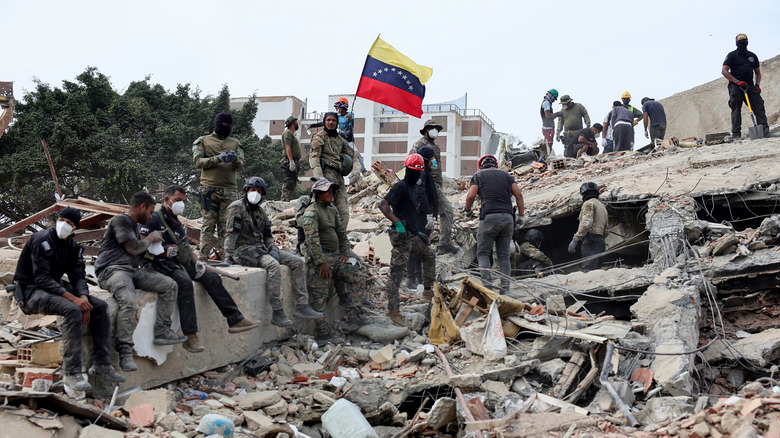
Safety is a major concern in Venezuela. Caracas, the capital, has one of the highest crime rates in the world, particularly when it comes to armed robbery and kidnapping. Rural areas often lack law enforcement, and safety is a persistent issue across the country. The political landscape is volatile, especially after the capture of former President Nicholas Maduro, and the two earthquakes that struck in June 2026 have further complicated the situation. These factors make Venezuela one of the most dangerous destinations in South America.
Travelers considering a trip to Venezuela need to be aware of several risks. The political instability has made tourism challenging, especially for Americans. During the years of Maduro’s presidency, from 2019 to 2026, Venezuela experienced a sharp decline in living standards due to hyperinflation, making basic goods hard to find. Safety in Caracas and other regions has also been a major concern. Demonstrations are frequent, and armed militias often set up roadblocks in rural areas. American tourists face the risk of kidnapping, robbery, and wrongful imprisonment.
Despite the downgrade in the travel advisory, the U.S. State Department still warns against travel to certain regions, including the border with Colombia, the Amazonas, and the states of Bolivar, Guarico, Aragua, Apure, and Tachira. Additionally, the two earthquakes in June 2026 have left the country in disarray, with widespread destruction and loss of life. Over 800 buildings, including nearly 38 hospitals, were damaged or destroyed, and many people remain missing or injured.
Given the current conditions, traveling to Venezuela is still not advisable, especially while the country is in the midst of recovery efforts. However, for those seeking adventure, wildlife, and beautiful landscapes, there are plenty of alternatives in Latin America.
Costa Rica is an excellent option for eco-tourism enthusiasts. Known for its biodiversity, the country offers dramatic volcanoes, cloud forests, and opportunities to see wildlife such as sloths, monkeys, and quetzals. Monteverde is a prime location for wildlife encounters, while Arenal Volcano National Park provides stunning views and outdoor activities like hiking and geothermal springs.
Peru is another fantastic choice, offering more than just Machu Picchu. The capital, Lima, is a culinary hotspot, and the Nazca Lines are a fascinating archaeological site. Lake Titicaca and Arequipa, built from volcanic rock, are also worth visiting. Peru even allows travelers to explore the Amazon Rainforest, where they can spot macaws, capybaras, and river dolphins.
For those looking for hidden gems and expert travel tips, subscribing to a free newsletter can provide access to exclusive travel secrets. Adding preferred search sources on Google can also help in discovering new destinations.
- Author: Tyo Murty


















At the moment there is no comment