
The Iran War Escalates: Trump’s Dangerous New Move in Hormuz
- account_circle Tyo Murty
- calendar_month Tuesday, 14 Jul 2026
- visibility 14
- comment 0 comment
- print Print

info Adjust the font size of this article to get the best reading experience.
A New Phase in the Struggle for the Strait of Hormuz
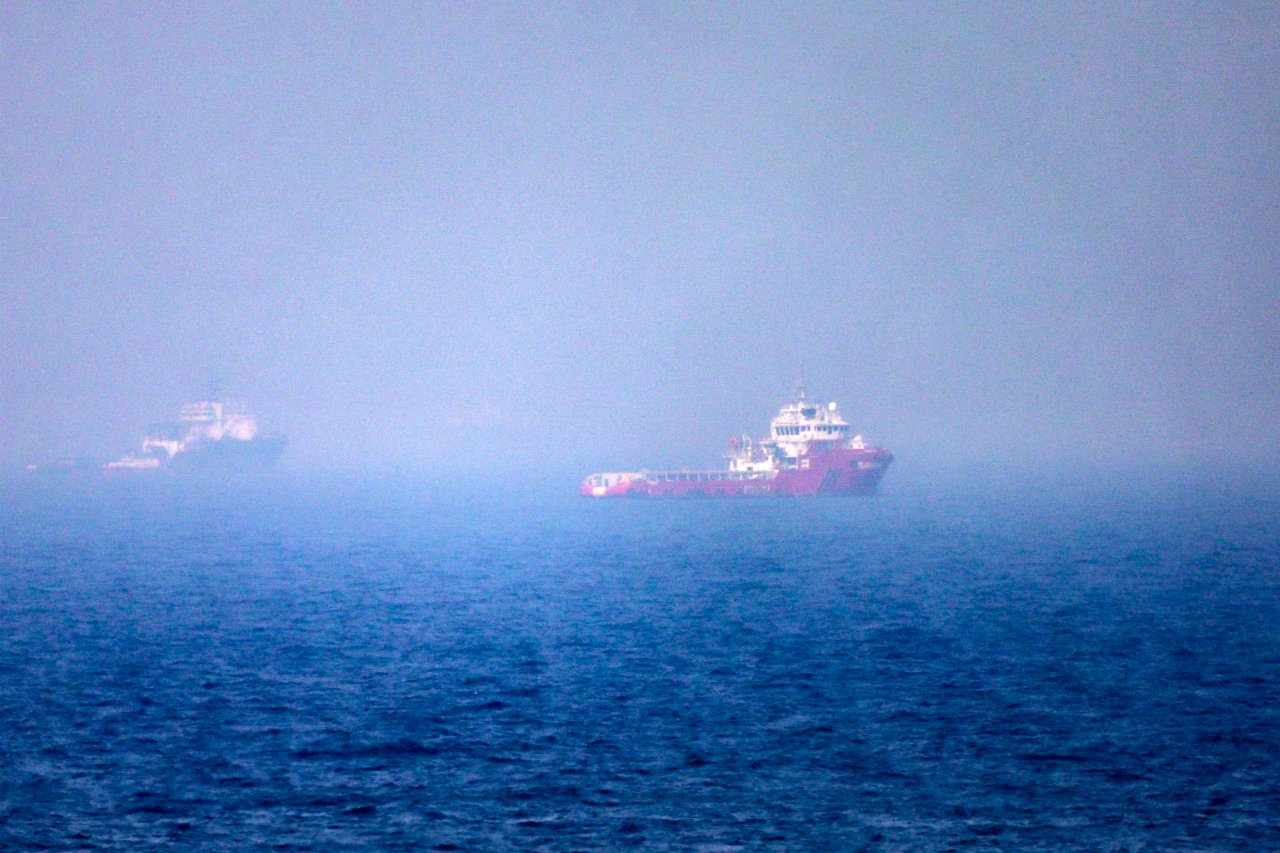
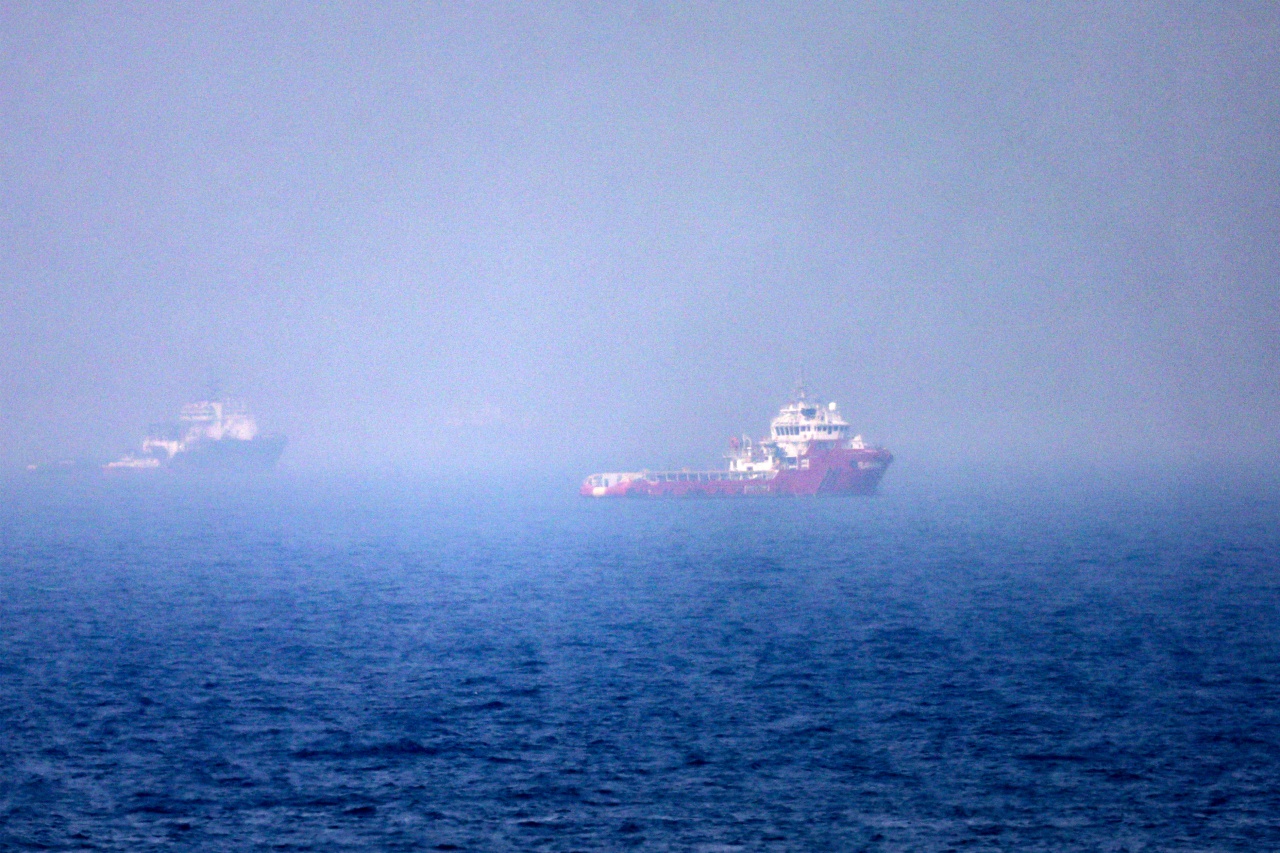
President Trump’s latest military strategy to regain control of the Strait of Hormuz involves resuming airstrikes and reimposing a naval blockade. This marks his third major shift in approach as he seeks to gain the upper hand against Iran in the ongoing conflict that has lasted nearly five months. Trump’s efforts have included air and missile attacks, a naval quarantine, and now a more calculated use of military force aimed at pressuring Tehran into accepting U.S. terms.
The U.S. has also employed diplomatic tactics to complement its military actions. However, Iran has managed to leverage its proximity to a critical oil export route to challenge Washington’s influence across the Middle East. Analysts suggest that achieving a stable peace remains uncertain, with both sides engaging in a prolonged contest of wills that could impact Trump’s presidency, including the upcoming midterm elections.
“We are now locked in a coercive war of attrition,” said Kenneth Pollack, vice president of the Middle East Institute and a former CIA analyst. “Coercive wars can go on and on.”
Shifting Strategies and Escalating Tensions
As the conflict continues, the trajectory of the war is influenced by Iran’s attempts to rebuild its missile forces and air defenses, as well as the U.S.’s ability to sustain strikes on key targets. Vali Nasr, a professor at Johns Hopkins University, noted that the current phase of the conflict is essentially a battle over leverage rather than regime change.
“The U.S. cannot get Iran to abandon its nuclear program or accept American terms for ending the war as long as the Iranians hold the Strait of Hormuz,” Nasr added. “Iran is trying to protect its leverage by proving the U.S. cannot take the strait back by force.”
Trump initially approached the conflict with a bold strategy, launching airstrikes in late February alongside Israel’s military campaign to dismantle Iran’s leadership and missile capabilities. He expressed optimism about a swift victory, citing the technological superiority of the U.S. military. For many analysts, this marked a new version of “shock and awe.”
The Limits of Air and Sea Power
Despite the initial momentum, there were constraints on the scope of the Pentagon’s operations. Ground forces were never a viable option for a president who had criticized the long-term conflicts in Afghanistan and Iraq. Therefore, the focus remained on air and sea power to achieve strategic objectives.
After five weeks of intense airstrikes, the White House declared a ceasefire and initiated talks between Vice President JD Vance and Iranian officials in Islamabad in April. However, these negotiations failed, leading Trump to adopt an economic approach: a maritime blockade.
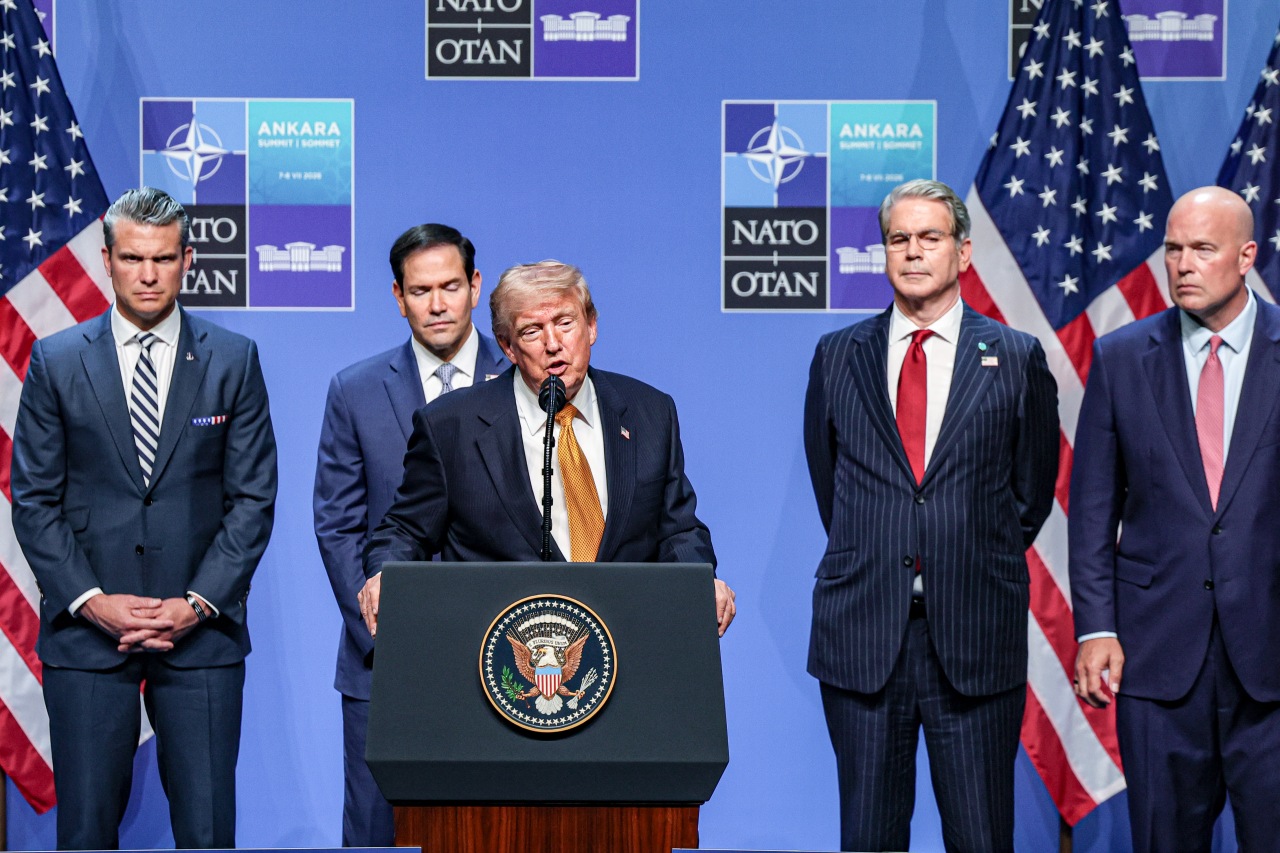
“Effective immediately, the United States Navy, the Finest in the World, will begin the process of BLOCKADING any and all Ships trying to enter, or leave, the Strait of Hormuz,” Trump announced via social media. This move aimed to pressure Iran to cease interference with oil traffic in the Persian Gulf and comply with U.S. demands to curb its nuclear program.
However, the blockade proved to be a double-edged sword. With 20% of the world’s oil passing through the Strait of Hormuz, the closure led to declining global oil stockpiles as countries tapped into their reserves. This raised concerns about potential political fallout as the U.S. midterm elections approached and public dissatisfaction with the Iran conflict grew.
The Flawed Peace Agreement
A memorandum of understanding signed in June between the U.S. and Iran temporarily reopened the Strait of Hormuz and set the stage for nuclear talks. Initially, this agreement seemed to mitigate the risks of rising oil prices. However, soon after the deal was signed, tensions flared again over its interpretation.
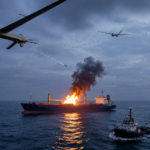
While U.S. officials viewed the agreement as a means to resume oil traffic, Iran insisted it granted them control over the waterway. This disagreement led to repeated attacks by Iran’s Islamic Revolutionary Guard Corps on commercial ships, prompting U.S. retaliatory strikes.
By Monday, Trump announced yet another strategic shift: increased airstrikes and the reimposition of a U.S. military blockade that would restrict ships from entering or leaving Iranian ports. He also proposed a 20% fee for cargo passing through the strait, though he later withdrew the demand.
A More Calculated Approach
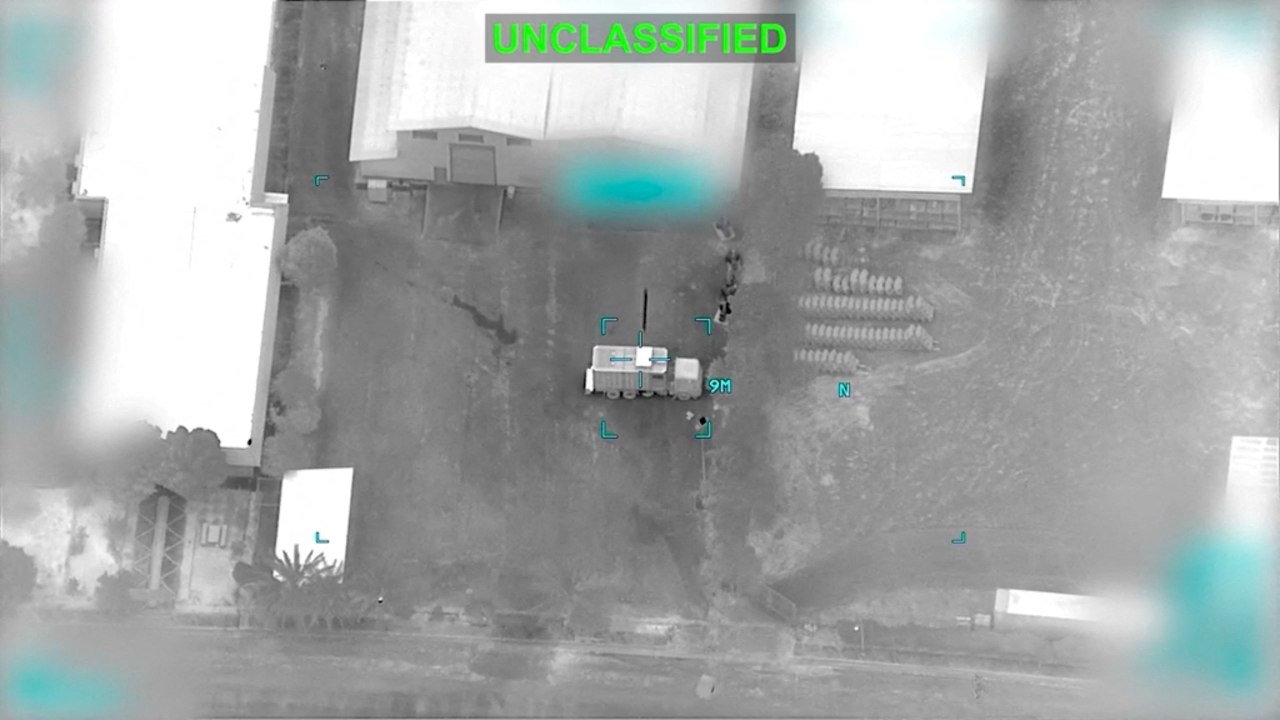
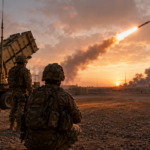
The recent U.S. strikes have targeted Iranian radars, antiship missiles, and drones used to assert control over the strait. These operations also include the first use of unmanned surface vessels to attack the port at Bandar Abbas and a strike against a rail bridge in northern Iran that facilitates trade with Russia and China.
So far, these actions have been less intense than the initial phase of the U.S. military campaign, reflecting a more measured approach as the administration seeks to pressure Iran to abandon its goal of controlling the strait. Several B-52 bombers deployed in Britain for the conflict have since returned to the U.S.
Although prospects for a nuclear agreement have diminished, Trump administration officials have not ruled out future strikes on Iran’s enriched uranium supplies, which were previously targeted by B-2 bombers and cruise missiles.
Iran has continued to attack oil tankers and Gulf states, resulting in casualties among sailors. However, it has avoided fresh attacks on Israeli or Saudi targets, suggesting a calculated approach in the region.
With this new phase of the conflict, the chances of a quick resolution or lasting peace have faded. Analysts warn that both sides are escalating tensions in a dangerous bid to strengthen their positions before returning to negotiations. If they fail to find a way out, the situation could spiral into a larger conflict.
Former military officials emphasize that while the U.S. can weaken the Iranian regime with persistence, the path ahead is long and complex. They stress the need for a comprehensive strategy addressing Iran’s control over the Strait of Hormuz, its missile threats, and its nuclear ambitions.
“This is going to be a long-term effort,” said Joseph Votel, a retired Army general who led Central Command from 2016 to 2019.
- Author: Tyo Murty

















At the moment there is no comment