
Washoku: A Cultural Bridge Between Vietnam and Japan
- account_circle Editorial Daily News Lite
- calendar_month Saturday, 20 Jun 2026
- visibility 4
- comment 0 comment
- print Print

info Adjust the font size of this article to get the best reading experience.
The Growing Influence of Japanese Culinary Traditions in Vietnam
Japanese cuisine, with its emphasis on ingredients and hospitality, is gradually becoming more familiar to Vietnamese consumers. This shift is being driven by the promotion of Washoku, Japan’s traditional culinary culture, which has been recognized by UNESCO as an Intangible Cultural Heritage of Humanity since 2013. At a recent culinary event, chefs and cultural representatives highlighted how this unique approach to food is resonating with the Vietnamese public.
The event, held on June 17, was organized by the Japan External Trade Organization Ho Chi Minh Office in collaboration with the Consulate General of Japan in Ho Chi Minh City. It aimed to introduce participants to the principles of Washoku and its deep cultural significance.
Key Ingredients and Philosophies Behind Washoku
Shuto, the executive chef at the Consulate General of Japan in HCMC, emphasized the importance of kombu, a dried kelp that is a staple ingredient in Japanese cuisine. He explained that kombu broth has a subtle flavor that enhances the natural taste of other ingredients without overpowering them.
“This reflects the spirit of harmony that lies at the heart of Japanese cuisine,” Shuto said. He added that the philosophy of Washoku extends beyond cooking techniques to include respect for ingredients, producers, and diners. Concepts like care, appreciation, and Omotenashi, Japan’s traditional approach to hospitality, are central to the country’s culinary culture.
Shuto also pointed out similarities between Vietnamese and Japanese cuisine, particularly in their focus on natural flavors and umami. He noted that these shared characteristics have contributed to the growing popularity of Japanese food in Vietnam.
Blending Flavors and Cultural Experiences
As an example, Shuto recalled a Vietnamese dish featuring pan-seared white fish served with a sauce that combined miso, yuzu, and lemongrass. He said the dish successfully blended Japanese ingredients with local flavors while maintaining the essence of Washoku.
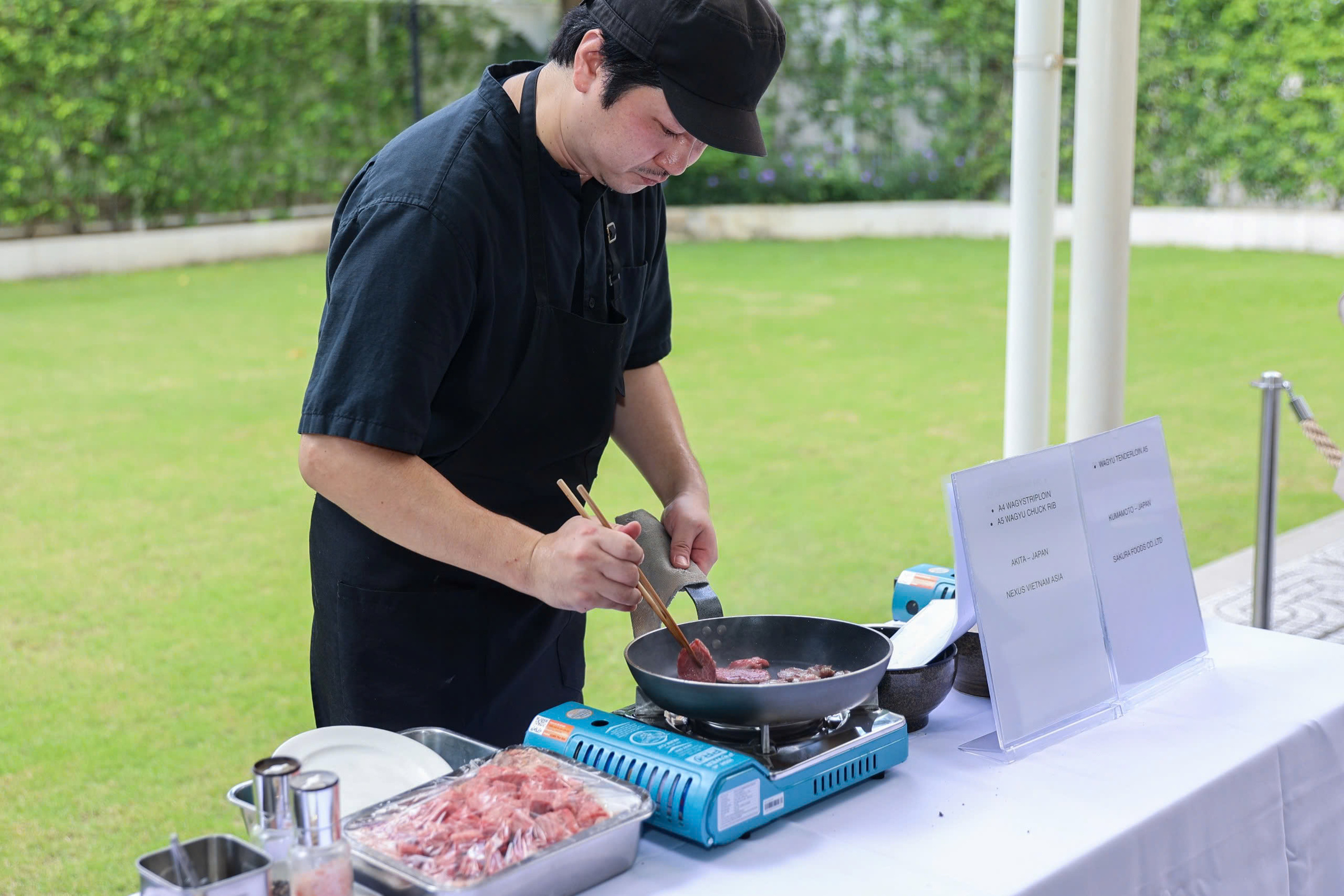
Chef Shuto demonstrates how to pan-sear Wagyu beef at a Japan culinary promotion event in HCMC on June 17, 2026. Photo by VnExpress/Quynh Tran
Nguyen Ba Phuoc, a Japanese Cuisine Goodwill Ambassador in Vietnam, who studied and worked in Japan for over a decade, spoke about the defining characteristics of Japanese cuisine. According to Phuoc, Washoku emphasizes preserving the original taste of ingredients rather than relying heavily on seasonings. He also noted a shift in Vietnamese consumers’ understanding of Japanese food in recent years.
“Many people once associated Japanese cuisine mainly with sushi and sashimi,” he said. “Today, there is growing interest in dashi, omakase, kaiseki, and seasonal ingredients.”
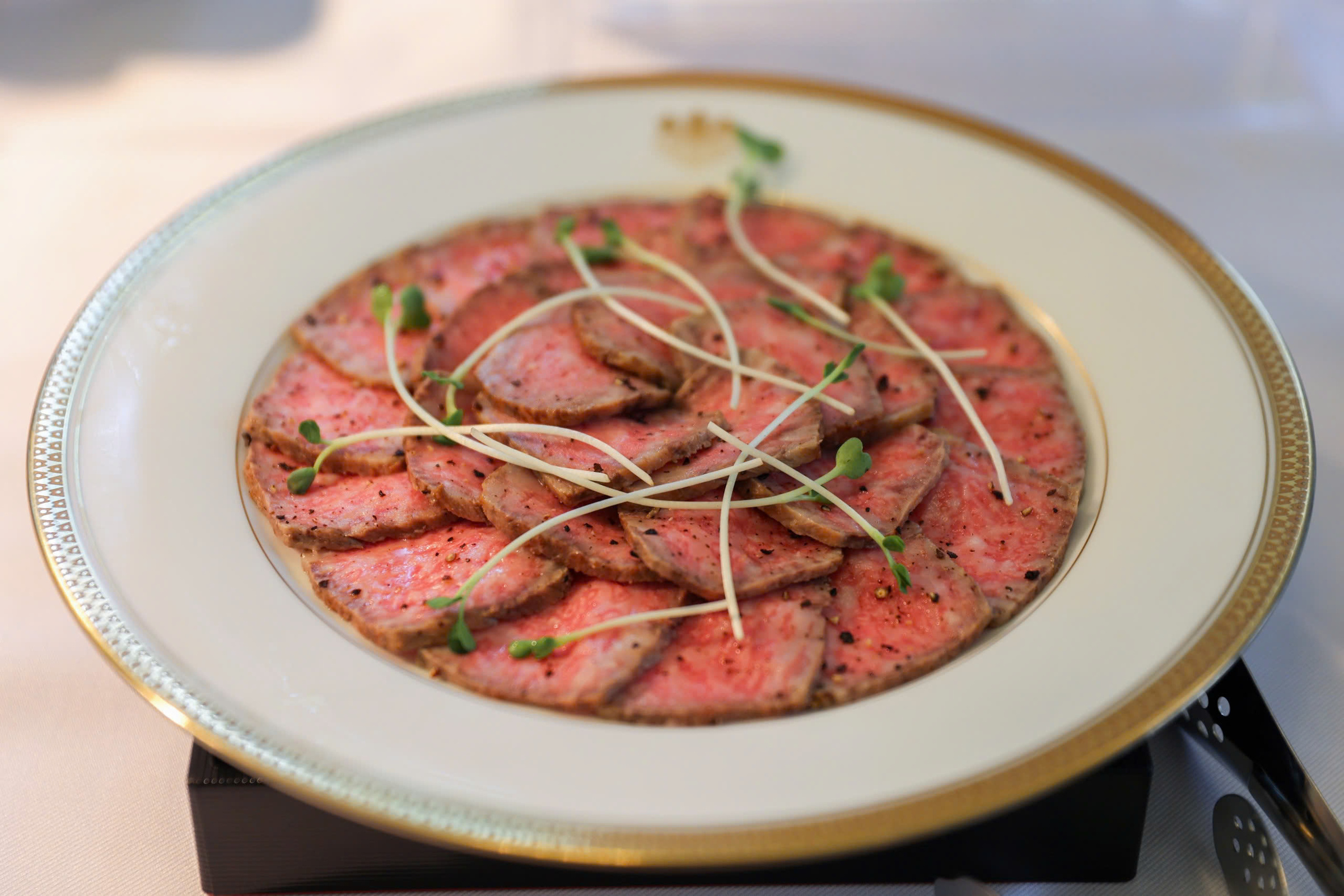
Pan-seared Wagyu beef served to guests at the event. Photo by VnExpress/Quynh Tran
Phuoc explained that diners are increasingly interested in learning about the origins of ingredients, production regions, seasonal availability, and the cultural background of dishes. “This suggests that more Vietnamese consumers are approaching Japanese cuisine as a cultural experience rather than simply a dining option,” he said.
He added that cooking demonstrations, food tastings, and hands-on workshops are effective ways to introduce Japanese culture to the public.
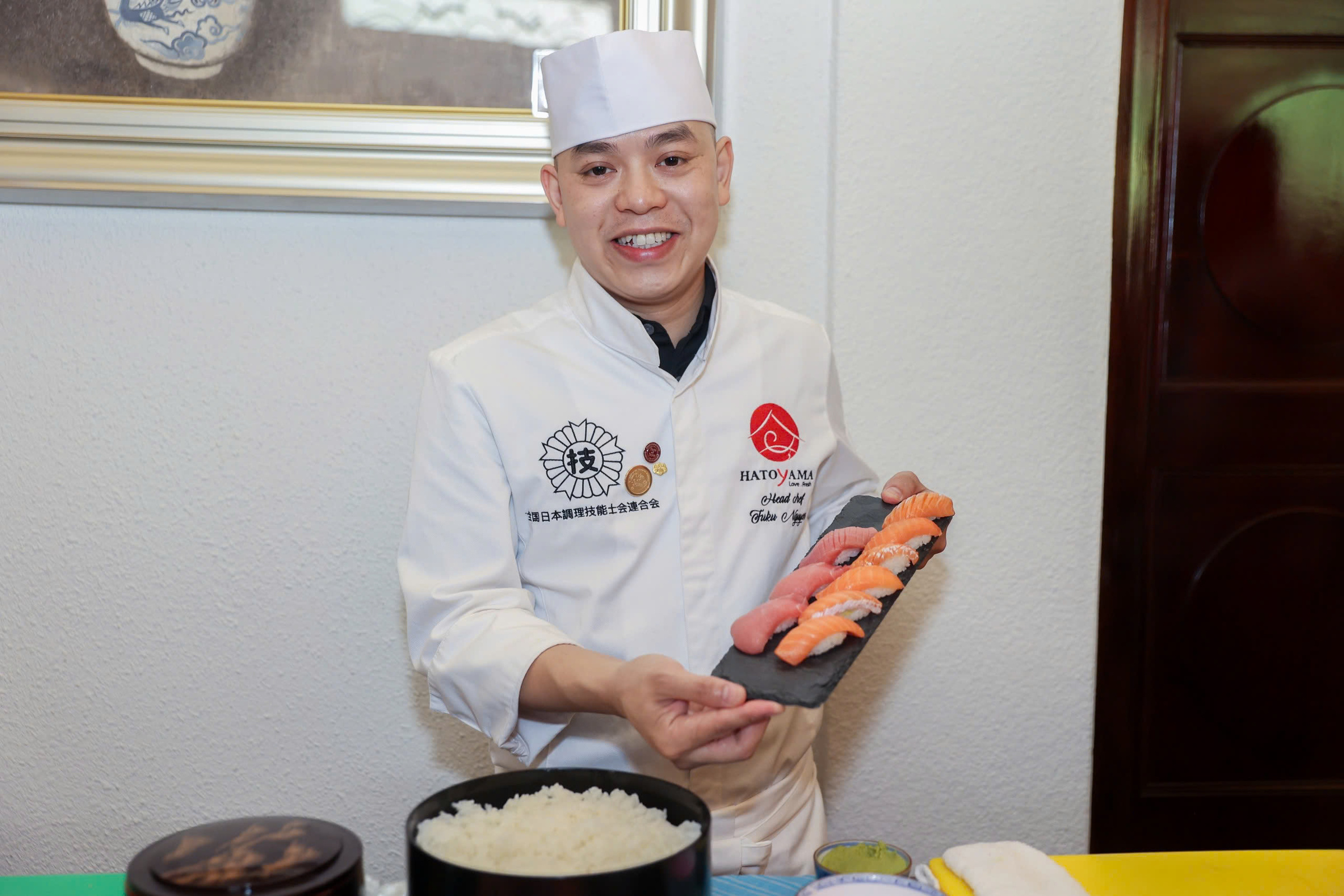
Nguyen Ba Phuoc, Japanese Cuisine Goodwill Ambassador in Vietnam, with freshly prepared salmon and tuna sushi. Photo by VnExpress/Quynh Tran
Cultural Exchange Through Food
Both chefs emphasized that food offers an opportunity to engage multiple senses and can provide insights into the culture, history, and craftsmanship behind each dish. Ono Masuo, Consul-General of Japan in Ho Chi Minh City, described cuisine as an important channel for cultural exchange between Vietnam and Japan.
According to Ono, alongside manga, anime, and fashion, Japanese food and beverages help Vietnamese consumers gain a deeper understanding of Japanese culture and daily life. “Through food and drink, we hope to deepen mutual understanding, strengthen friendship, and further enhance cooperation between our two countries,” he said.
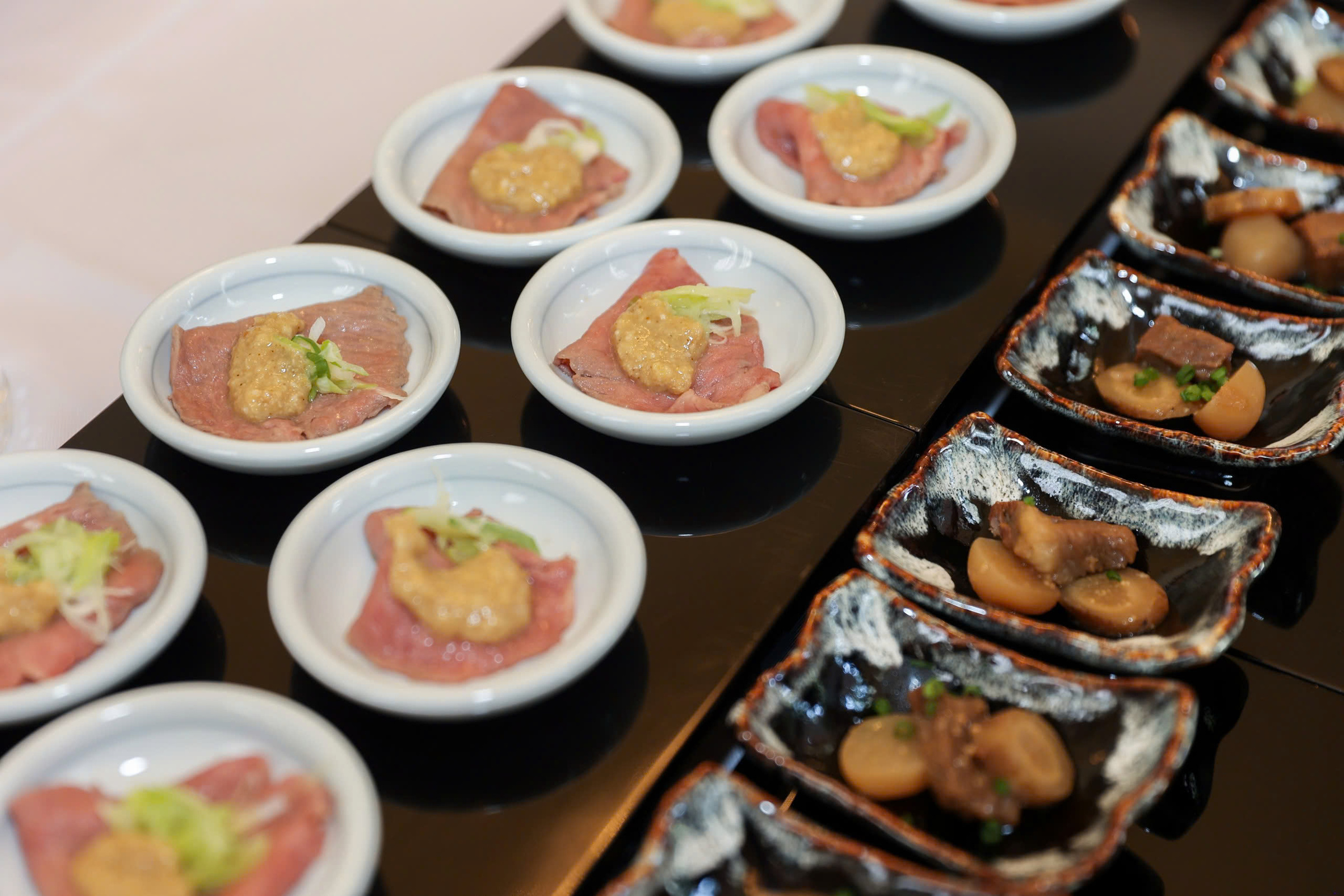
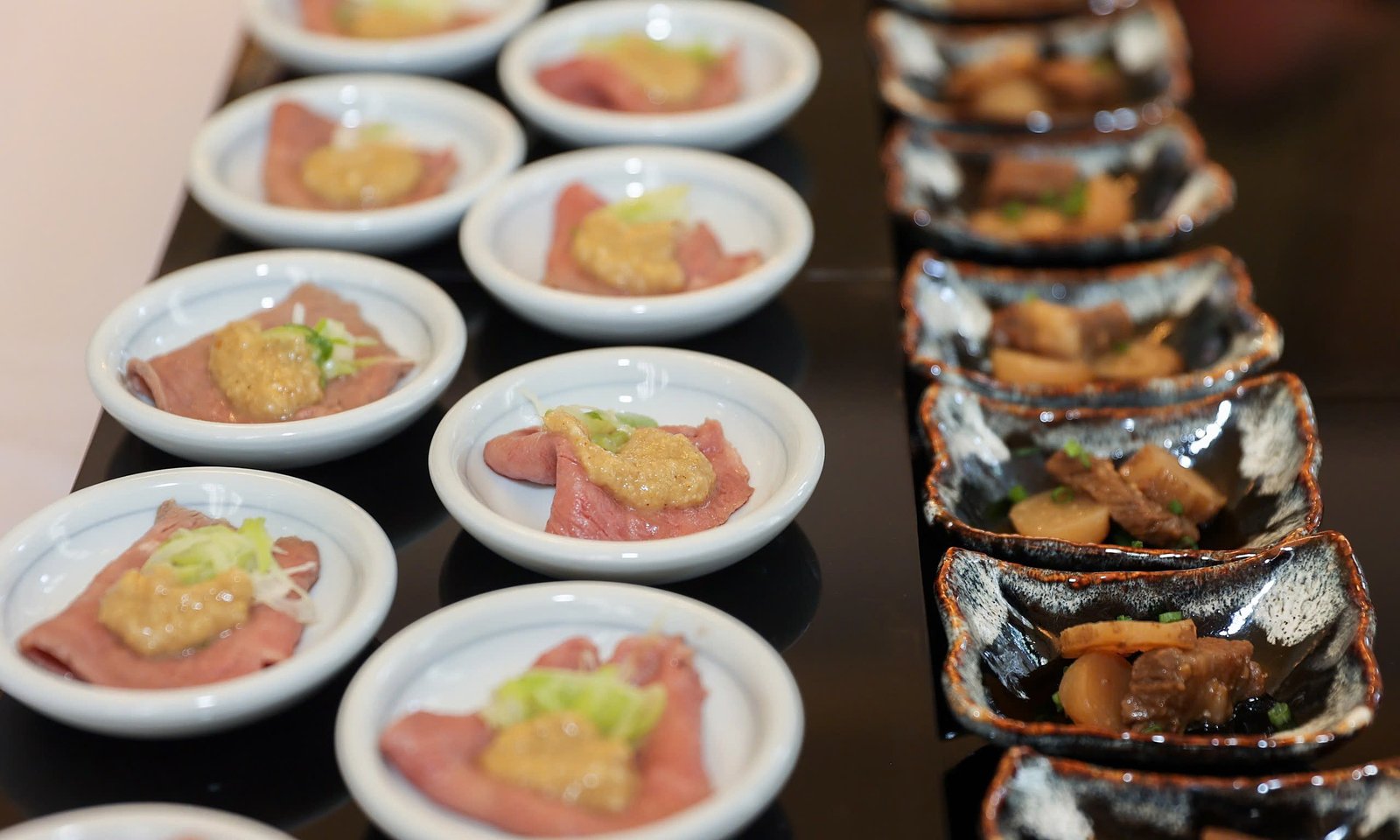
Traditional Japanese dishes embodying the spirit of Washoku are prepared and served directly to guests. Photo by VnExpress/Quynh Tran
- Author: Editorial Daily News Lite



















At the moment there is no comment