
Iran Envoy: Friendly Nations to Get Special Hormuz Fee Treatment

info Adjust the font size of this article to get the best reading experience.
Iran’s Ambitions for the Strait of Hormuz
Iran’s ambassador to China has made it clear that his country intends to impose new fees on ships passing through the Strait of Hormuz. This proposal has been met with resistance from Washington, which maintains that no charges should be levied on vessels navigating this critical waterway.
The initial agreement between Iran and the United States to end their conflict included a provision that commercial ships would transit the strait without charge for 60 days. However, the situation beyond this period remains uncertain. Iranian Ambassador Abdolreza Rahmani Fazli addressed this issue at the World Peace Forum in Beijing, emphasizing that Iran is working closely with Oman to establish new arrangements for the vital waterway.
“We will definitely charge service fees,” said Fazli, explaining that these fees would not be considered tolls. He added that the new arrangements would focus on ensuring the security of passage, supervising vessel movements, and addressing environmental concerns caused by the high volume of ships.
Fazli also mentioned that Iran would provide special treatment to countries that were friendly during difficult times. This statement highlights the diplomatic considerations involved in the negotiations over the strait’s future.
The U.S. government has expressed its stance that any final agreement must prevent Iran from charging any fees for passage. The distinction between service fees and tolls is seen as a matter of semantics by American officials.
Strategic Importance of the Strait of Hormuz
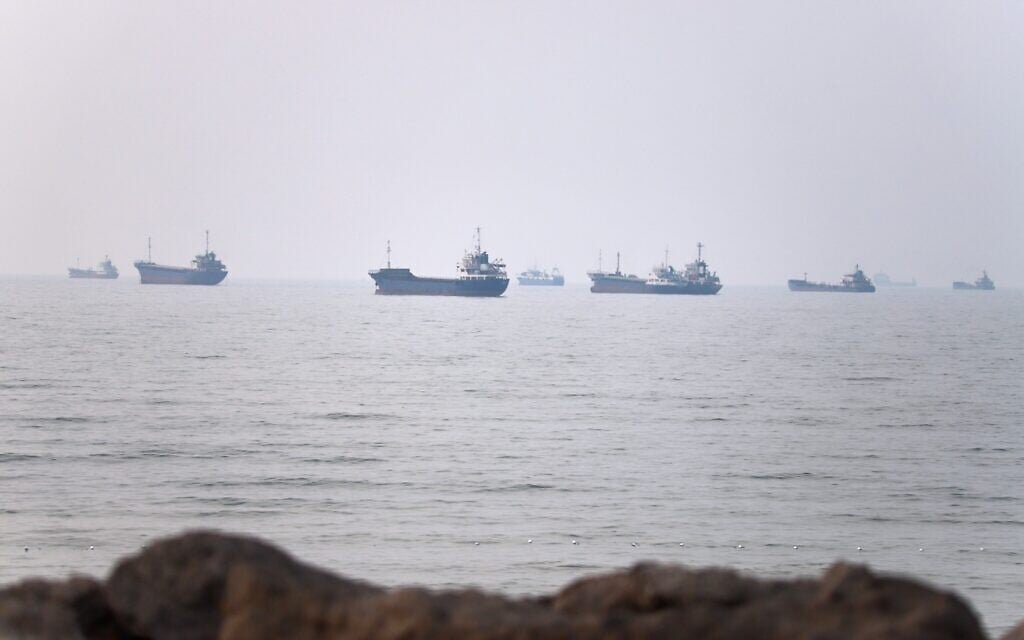
The Strait of Hormuz plays a crucial role in global energy trade, carrying approximately one-fifth of the world’s crude oil and liquefied natural gas. During the conflict between Iran and the U.S., the strait was effectively closed, leading to a sharp increase in energy prices.
Iran lifted its blockade of the Hormuz after reaching an initial agreement with the U.S. to end the war. However, ongoing negotiations are still necessary to finalize a permanent settlement of the conflict.
Ongoing Negotiations and Regional Dynamics
The discussions between Iran and the U.S. involve more than just the issue of fees. They encompass broader strategic and geopolitical considerations, including regional stability and international relations. The involvement of Oman in these negotiations underscores the importance of regional cooperation in managing the strait’s operations.
As the talks continue, both sides face the challenge of balancing national interests with the need for a sustainable and secure solution. The outcome of these negotiations could have far-reaching implications for global energy markets and international diplomacy.
Future Implications
The potential imposition of fees by Iran raises questions about the future of maritime traffic through the Strait of Hormuz. If such fees are implemented, they could affect shipping costs and influence the flow of goods and resources worldwide.
Moreover, the concept of “special treatment” for friendly nations adds another layer of complexity to the negotiations. It suggests that Iran may use its control over the strait as a tool for diplomatic leverage, potentially affecting relationships with other countries in the region.
Conclusion
The situation surrounding the Strait of Hormuz remains fluid, with significant implications for global trade and regional stability. As Iran and the U.S. continue their dialogue, the resolution of this issue will require careful negotiation and mutual understanding. The outcome will not only determine the future of the strait but also shape the broader geopolitical landscape in the Middle East.
- Author: Tyo Murty



















At the moment there is no comment