
Should You Skip Fruits and Veggies Right Now?
- account_circle Tyo Murty
- calendar_month Wednesday, 15 Jul 2026
- visibility 20
- comment 0 comment
- print Print

info Adjust the font size of this article to get the best reading experience.
Understanding Cyclosporiasis and the Current Outbreak
July is a month that brings warmth, relaxation, and the joy of summer salads. However, with the recent cyclosporiasis outbreak, it’s important to be cautious about what you’re eating. Cyclosporiasis is a parasitic infection caused by Cyclospora cayetanensis, which leads to symptoms such as explosive, watery diarrhea. The incubation period typically lasts around a week, though some individuals may experience symptoms earlier.
Amesh A. Adalja, MD, an infectious disease expert at the Johns Hopkins Bloomberg School of Public Health, explains that while the number of cases is rising, officials have yet to identify a specific food source. According to the Centers for Disease Control and Prevention (CDC), there are 1,645 confirmed domestic cases and another 5,100 reports that require further analysis to confirm they meet the case definition.
With all this information circulating, it’s natural to question the safety of your produce. Is triple-washing enough? Should you avoid berries? Is it time to stir-fry your bagged salad? To address these concerns, we spoke with experts to understand the best practices for staying safe during this outbreak.
Key Experts in the Field
The following experts provided insights into the current situation:
- Amesh A. Adalja, MD, adjunct assistant professor and infectious disease expert at the Johns Hopkins Bloomberg School of Public Health
- Madeline A. DiLorenzo, MD, infectious disease specialist at NYU Langone Infectious Disease Associates
Produce to Be Wary Of
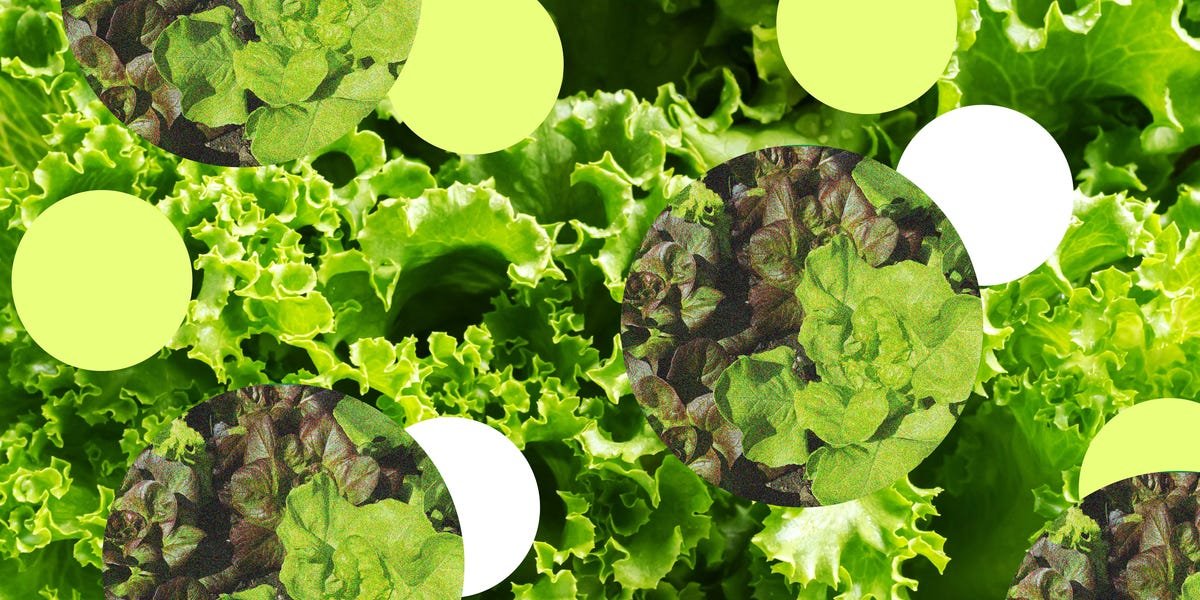
Current investigations are focusing on lettuce and salad greens in Michigan, according to Dr. Adalja. Taco Bell has even voluntarily removed certain ingredients in some restaurants as a precaution. While the exact source of the outbreak remains unclear, past outbreaks have been linked to foods such as raspberries, watercress, snap peas, and basil.
The Michigan Department of Health and Human Services (MDHHS) also lists fresh cilantro and green onions as possible culprits based on previous outbreaks. They recommend heightened food safety measures for fruits, vegetables, and cooking utensils during this time.
Keeping Yourself Safe
Although washing hands and produce is essential, it may not be sufficient to prevent cyclosporiasis. According to CDC guidance, “routine chemical disinfection or sanitization of food or water is unlikely to kill Cyclospora.” However, there are steps you can take to reduce your risk:
- Opt for a whole head of lettuce instead of bagged lettuce when possible. Dr. Adalja suggests that heads of lettuce are safer because they are less likely to be contaminated. Bagged lettuce may contain mixed ingredients from different sources, increasing the chance of contamination.
- When preparing a head of lettuce, remove the outer leaves first, then wash the inner leaves thoroughly before consuming.
- Cooking leafy greens is another effective method to kill the parasite, as noted by the Colorado Department of Public Health and Environment.
Dr. DiLorenzo emphasizes that you don’t need to avoid all raw fruits and vegetables, but it’s important to wash them thoroughly—even if they claim to be pre-washed.
What to Keep in Mind
Tracing the source of the outbreak has become more challenging due to recent budget cuts. The Foodborne Diseases Active Surveillance Network (FoodNet), which collaborates with agencies like the CDC, USDA, and FDA, used to track Cyclospora since 1996. However, due to funding constraints, FoodNet now only tracks two pathogens—E. coli and salmonella—since July 2025.
This shift has made it harder to detect and trace outbreaks. Before the changes, FoodNet tracked eight pathogens, including Cyclospora. Now, reporting on Cyclospora and other pathogens, such as listeria, is optional.
Despite these challenges, local and state health departments remain the most reliable sources of updates. The CDC continues to collect information to help solve the outbreak. In the meantime, staying informed and practicing good food safety habits are crucial steps in protecting yourself and your family.
- Author: Tyo Murty



















At the moment there is no comment