
Canadian wildfire map reveals hazardous air quality in the US
- account_circle Tyo Murty
- calendar_month Wednesday, 15 Jul 2026
- visibility 15
- comment 0 comment
- print Print

info Adjust the font size of this article to get the best reading experience.
Hazardous Smoke from Canadian Wildfires Spreading Across the U.S.
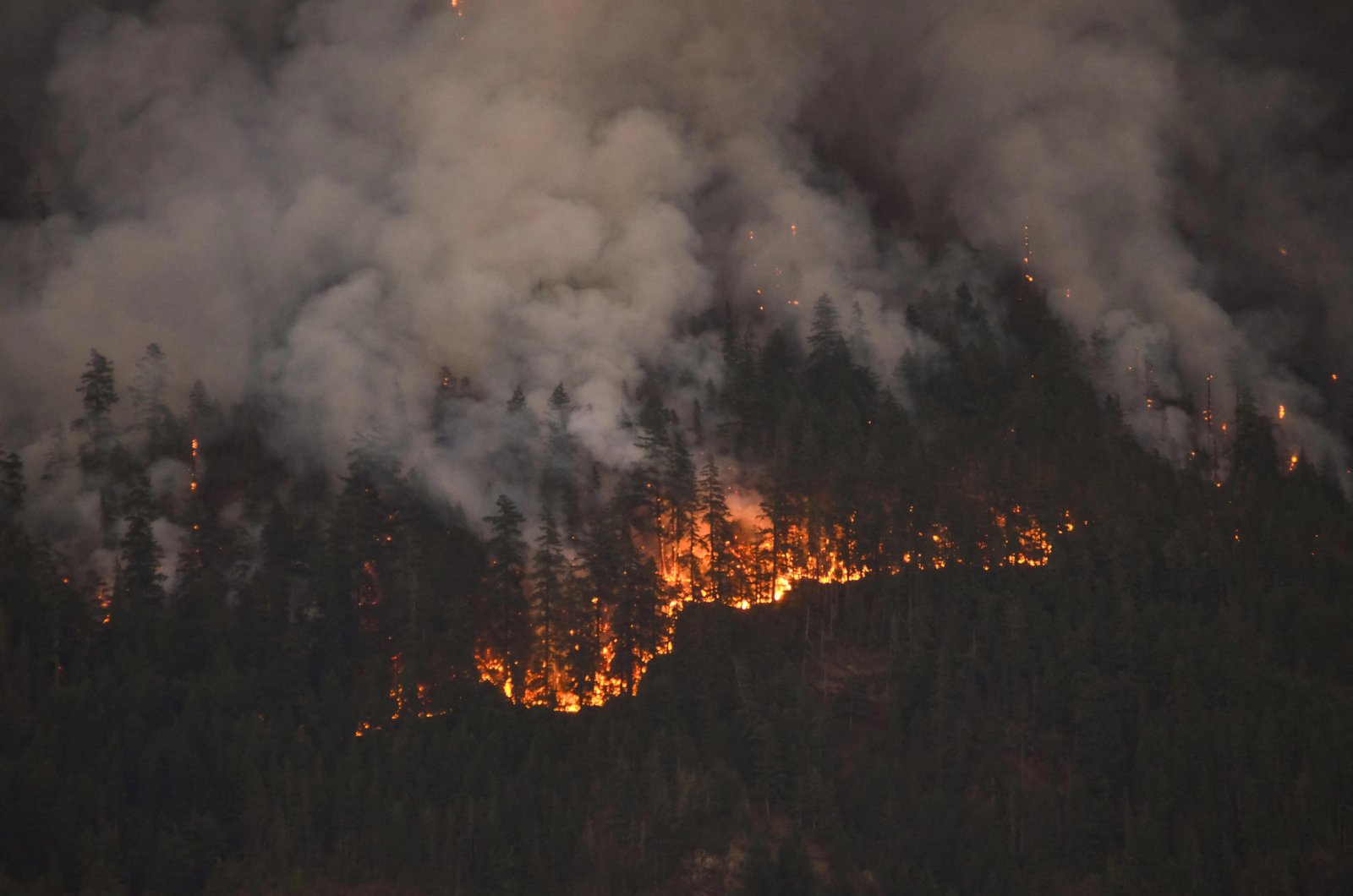
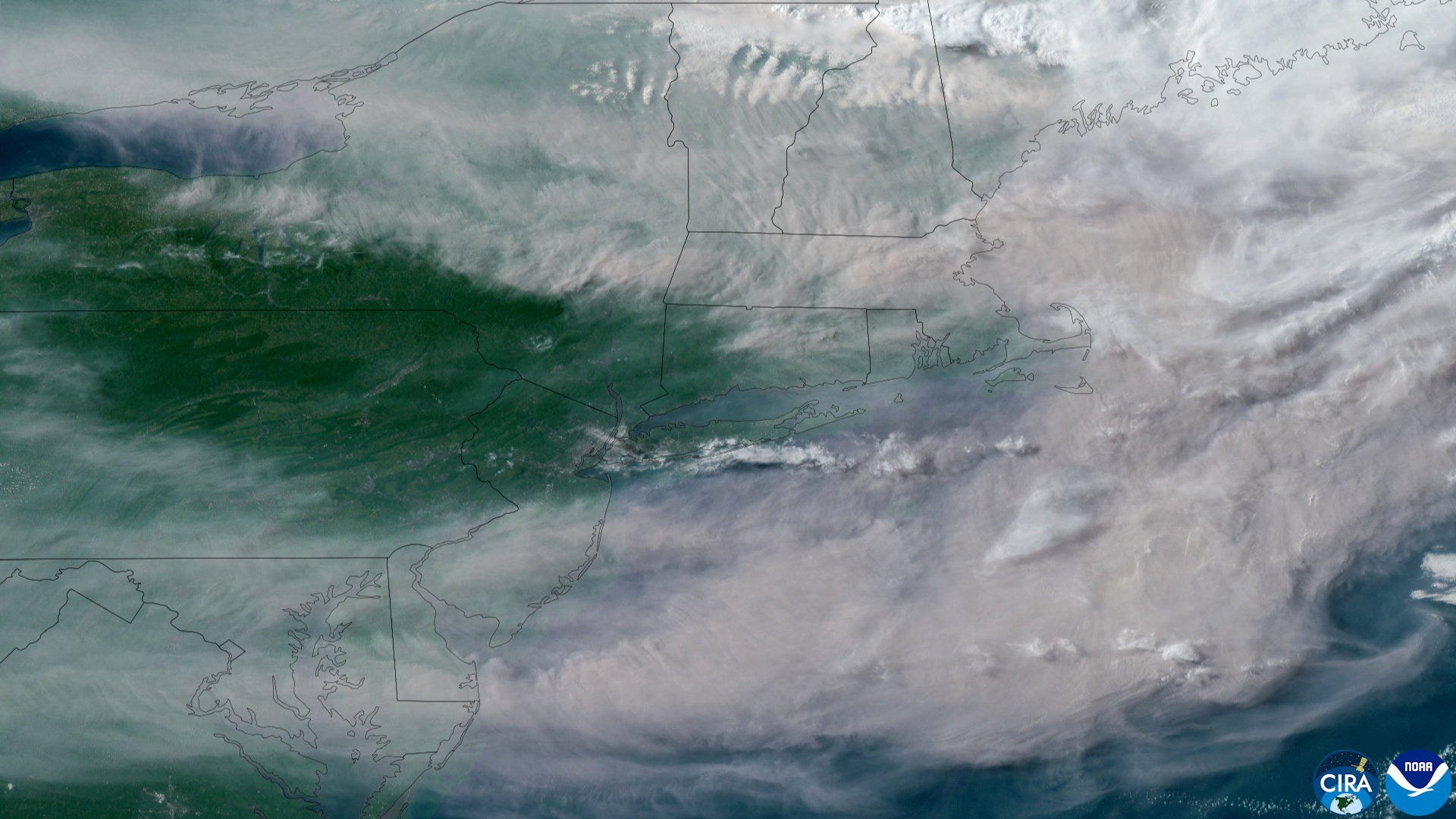
Hazardous smoke from wildfires in Canada is spreading across the Northeast and Midwest, causing air quality alerts, health warnings, and concerns that conditions could worsen in the coming days. The impact of the smoke has already been felt in several states, with some of the worst air conditions reported in Michigan, Minnesota, and Wisconsin on Wednesday, July 15. New York Governor Kathy Hochul shared on social media that smoke and haze from Canadian wildfires are creating unhealthy air conditions throughout the state.
New York City is already experiencing the effects of the wildfire smoke, particularly ahead of the World Cup final in neighboring New Jersey. Air quality has deteriorated to an unhealthy level, prompting officials to urge residents to reduce strenuous outdoor activities and take extra breaks if they must be outside. Forecasters have warned that smoky conditions could persist through the end of the week.
Where Are the Wildfires Burning?
The Government of Canada has noted that the wildfire season began more slowly in 2026 compared to 2023 or 2025, which were among the worst seasons for wildfires. However, the country has warned that warmer-than-usual temperatures could lead to more fires. As of Wednesday, there were 835 active fires burning across the country, with 112 of them considered out of control, according to government reports. So far, 4.7 million acres have burned, as reported by Reuters. Most of these fires are concentrated in the central provinces of Manitoba, Saskatchewan, and Ontario.
What Is AQI?
AQI stands for Air Quality Index, a tool used to measure and communicate the quality of the air. It ranks the air into six categories: Good (Green), Moderate (Yellow), Unhealthy for Sensitive Groups (Orange), Unhealthy (Red), Very Unhealthy (Purple), and Hazardous (Maroon). This index helps people understand the potential health impacts of air pollution and take necessary precautions.
To check current air quality conditions, you can view the U.S. air quality map and the U.S. wildfire and smoke map.
Side Effects of Inhaling Wildfire Smoke
Wildfire smoke contains particulate matter, a type of air pollutant made up of tiny particles of solids or liquids suspended in the air. These particles are smaller than a strand of human hair and can easily enter the respiratory system, leading to various symptoms.
According to the National Weather Service, wildfire smoke can irritate the eyes, nose, and throat, and may cause the following symptoms:
- Fatigue
- Coughing
- Wheezing
- Chest tightness
- Shortness of breath
- Dizziness
Some of the particles in wildfire smoke are so small that they can bypass the body’s usual defense mechanisms and penetrate deep into the lungs. According to Yale Medicine, these particles can not only damage lung function but also enter the bloodstream and affect other organs. Prolonged exposure to such particles has been linked to:
- Heart attack
- Stroke
- Lung cancer
- Decline in cognitive function
Who Is Most Impacted by Poor Air Quality?
Certain groups are more vulnerable to the effects of poor air quality. These include:
- Children
- People who are pregnant
- Individuals with lung diseases, such as asthma and COPD
- Anyone with heart disease, diabetes, or chronic kidney disease
These individuals should take extra precautions to avoid exposure to wildfire smoke.
How to Stay Safe Amid Poor Air Quality
If you’re facing poor air quality that could be harmful to you or your family, the Centers for Disease Control and Prevention (CDC) recommends taking the following steps:
- Check the air quality in your area using local weather apps.
- Stay indoors if authorities advise doing so.
- Keep windows and doors closed to prevent smoke from entering.
- Avoid burning anything indoors, such as candles, gas, propane, incense, or wood.
- Limit strenuous outdoor activities.
- Wear a tightly fitted, NIOSH-approved respirator when outdoors.
By taking these precautions, individuals can better protect themselves from the harmful effects of wildfire smoke.
- Author: Tyo Murty



















At the moment there is no comment