
Good News on Memory Shortage Spells Trouble for Chip Stocks
- account_circle Tyo Murty
- calendar_month Wednesday, 15 Jul 2026
- visibility 13
- comment 0 comment
- print Print

info Adjust the font size of this article to get the best reading experience.
The Turning Point in the Semiconductor Industry
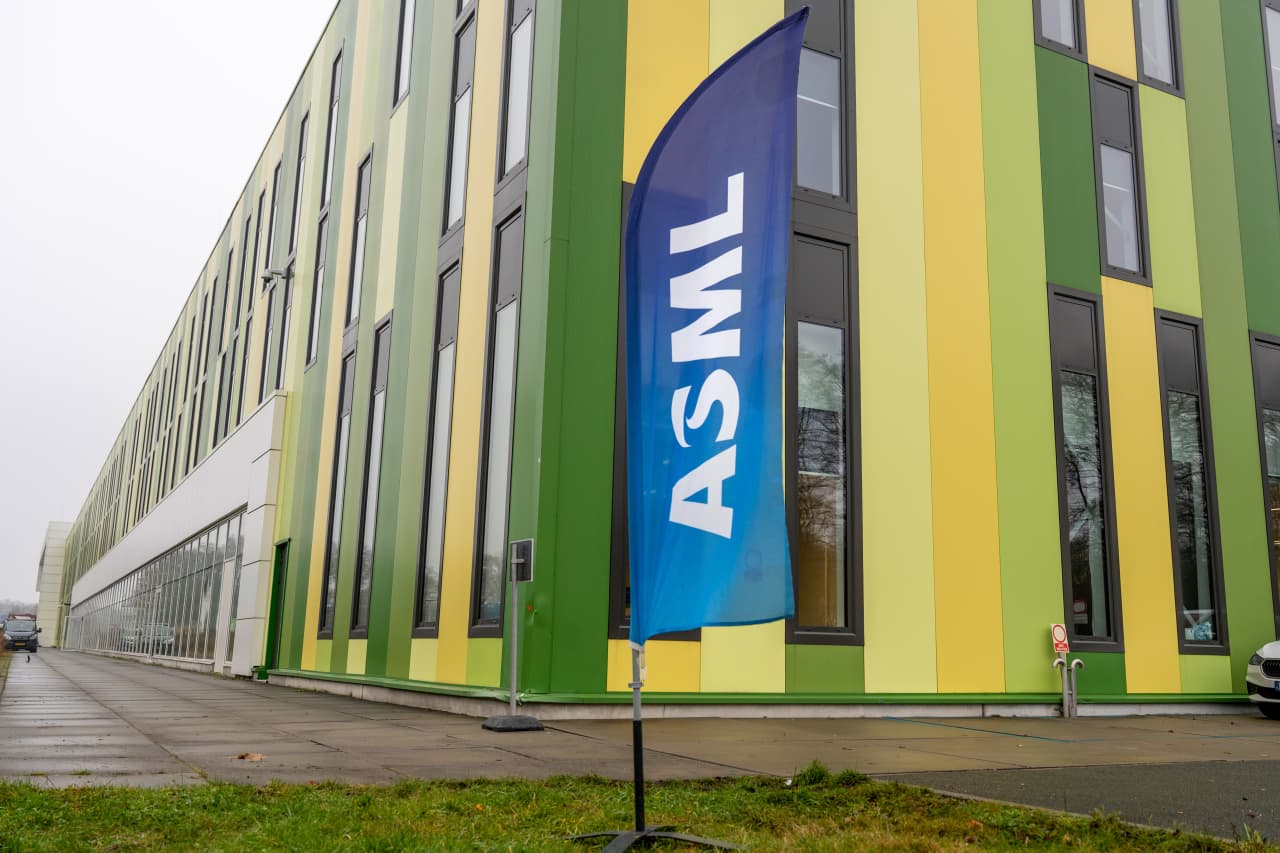
The week I joined Barron’s in October 2024 was a pivotal moment for the chip industry. It wasn’t just about my new job; it was also marked by a significant earnings report from ASML, a leading semiconductor equipment manufacturer based in the Netherlands. The company reported strong results that week, but its outlook was far from optimistic. As a result, the stock plummeted by 16% in a single day, dragging the entire chip sector down with it.
At the time, I wrote that “the entire semiconductor sector is downwind of its technology,” emphasizing the critical role ASML plays in manufacturing various types of chips. The weak guidance from ASML sparked concerns that the AI investment boom might not last long. Indeed, the chip stock rally went into hibernation until April of the following year.
Since then, the long-term significance of the semiconductor sector, especially ASML, has become increasingly evident. Since its 2024 outlook disaster, ASML’s stock has surged by 166%, outperforming the high-flying iShares Semiconductor ETF, which gained 144%. (ASML constitutes 2.3% of the fund.) Meanwhile, the S&P 500 index has risen by 29% over the same period.
Now, in July 2026, the narrative around ASML has completely shifted. On Wednesday, the company reported stellar earnings and guidance, causing its American repository shares to open up 2.8%, while the semiconductor ETF rose 1.3%. However, this initial rally didn’t last long.
ASML’s earnings call was a celebration for the company but a moment of reckoning for others. The company’s extreme ultraviolet machines, known as EUV, are so advanced that they are helping chip manufacturers, particularly memory chip companies, boost their efficiency. This increased efficiency means more chips can be produced faster, which sounds like good news for the world—and everyone needing memory—but it’s bad news for memory prices.
Memory demand is at an all-time high due to the AI buildout, and supply has been expected to remain relatively fixed until mid-2027 when new factories are set to start producing in large quantities, with more additions planned for 2028 and beyond. This has led to record-high increases in memory prices, affecting not only the AI investment boom but nearly all electronics. Apple recently raised prices on its devices due to the memory shortage.
During ASML’s earnings call, CFO Roger Dassen noted that memory customers were using the company’s expensive machines to enable high-end production lines to produce silicon wafers more quickly than before. This means that memory companies can potentially make current production lines more efficient and increase supply, even slightly. In a tight market with such high prices, any additional supply can cause prices to drop. Even if major new production is still a year away, the productivity gains from installing new EUV machines undermine the “no-new-supply” part of the memory story.
ASML’s EUV machines are essential for high-end memory production, and about half of the company’s system sales this year have been for memory manufacturing, compared to about a third over the previous three years. These machines are extremely costly—ASML sold 44 of them last year at an average price of 237 million euros.
Shortly after the earnings call ended, the market reacted negatively, with memory-makers Micron Technology and SK Hynix selling off, and the rest of the AI-hardware trade following suit. The semiconductor ETF dropped 2.2% on the day, with Micron being the top loser among its holdings.
ASML was one of the gainers on the day, rising 2.2%.
This Week in Barron’s Tech
- SpaceX Stock Dropped Below Its IPO Price. How it Bounces Back
- Chip Stocks Are Giving Wall Street Whiplash, and Earnings Have Barely Started
- Apple and Google Are Likely to Strengthen AI Ties Following OpenAI Lawsuit
- Facebook Faces a $1 Trillion Backlash. Investors Ignore the Threat at Their Peril
- What IBM’s Bad Quarter Means for Tech Stocks
- Author: Tyo Murty



















At the moment there is no comment