“They Wanted Me to Repent”: The Fight to Ban Conversion Therapy
info Adjust the font size of this article to get the best reading experience.
The Debate Over Banning Conversion Practices in Northern Ireland
A proposed ban on sexuality and gender conversion practices is making its way through the Northern Ireland Assembly, but the legislation faces significant challenges. With the next Stormont election approaching, the window for passing the bill is narrowing, and opposition from various groups is expected.
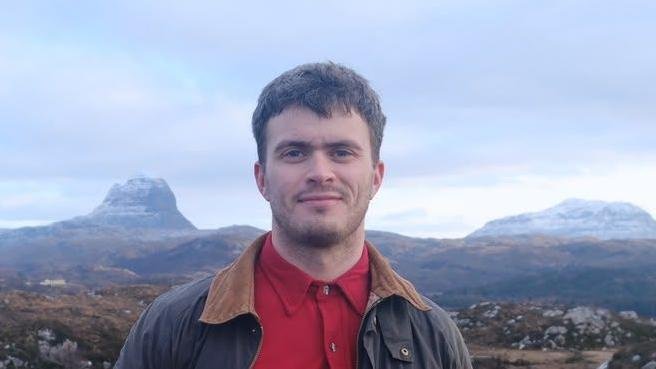
The bill, introduced to the assembly on Tuesday, includes provisions that could result in a two-year jail sentence for individuals who conduct conversion practices. For Matthew Hyndman, a former Christian missionary and star of “The Traitors,” the legislation is long overdue. At 23, he came out to his fellow church members while traveling on a Christian evangelical missionary ship. Instead of acceptance, he faced judgment and resistance.
“They wanted me to repent in front of the entire church community, about 400 people. After that I’d have begun what they called ‘counselling,'” he said. Hyndman refused and was effectively excommunicated within two days. He firmly supports criminalizing conversion practices because he has met people who bear the deep scars of trauma from such experiences, including depression, anxiety, and serious mental health damage.
However, opponents of the bill argue it is unnecessary and risks overreach. Peter Lynas of the Evangelical Alliance claims there is no evidence of a need for the legislation. “We believe that coercive and abusive practices should be illegal and already are, so our first question is: What is the problem this bill is trying to fix?” he said. Lynas believes the bill could criminalize teachers, parents, therapists, and pastors, and it’s unclear what would count as coercive behavior or conversion practices.
Advocates argue the bill is essential for protecting LGBT individuals from harmful attempts to change or suppress their identity. Critics, however, contend it limits freedom of choice for gay and trans people and risks criminalizing important conversations around sexual orientation and gender.
Will the Bill Make It to Law?
The timeline for scrutinizing the bill is tight, with the assembly on summer break until September and an election in May 2027. The bill must complete all legislative stages by March to become law. There is also the potential for opposition from some unionist parties, which may seek to slow down or block its passage.
According to a 2018 UK-wide LGBT Survey, about 5% of 108,000 respondents reported being offered some form of conversion practice, while 2% had undergone it. Hyndman says such practices are particularly prevalent in religious circles. “When I came back to the UK, I visited my old churches in Northern Ireland and Edinburgh, and both tried to send me for conversion therapy. That means three unconnected churches all put pressure on me to change my sexual orientation.”
He emphasized that conversion practices can be especially pernicious in a church setting, where a person’s entire life is often bound up in their faith. “The room for manipulation is massive. All of a sudden it can feel like your de facto options are: Agree to conversion therapy or lose everything you love.”
Opposition from Religious Groups
Much of the opposition to the bill is expected to come from religious groups. Lynas acknowledged that historically, churches have put undue pressure on gay people but said he is waiting for evidence of such practices on a large scale in the last ten years.
The bill defines psychological harm as fear, alarm, or distress. Lynas argues this definition is too broad. Meanwhile, the Ban Conversion Practices Coalition, which includes groups like The Rainbow Project and Here NI, states they are satisfied the bill includes protections for freedom of speech, belief, and legitimate healthcare and therapy.
What Are Conversion Practices?
Conversion practices, sometimes called “reparative therapy” or “gay cure therapy,” aim to change someone’s sexual orientation or gender identity. According to the British Psychological Society (BPS), these practices are unethical and potentially harmful. They often include talking therapies and prayer, but more extreme forms can exist.
The bill would make it a criminal offense to provide conversion therapy or engage in coercive conversion behavior with the goal of changing a person’s sexual orientation or gender identity. It would also make it an offense to remove a person from Northern Ireland for the purpose of subjecting them to conversion practices.
The definition of coercive behavior is borrowed from the Domestic Abuse and Civil Proceedings Act (Northern Ireland) 2021, which includes violent or threatening behavior, humiliating the victim, or controlling their daily activities.
How Did We Get Here?
The bill was introduced by Alliance Party MLA Éoin Tennyson, but Stormont politicians have debated the issue before. In 2021, MLAs passed an Ulster Unionist Party (UUP) motion calling for a ban on all forms of conversion practices, though it was not binding.
Sinn Féin ministers previously advocated for a ban, but power-sharing collapses delayed progress. The Democratic Unionist Party (DUP) has opposed conversion practices but argued that legitimate religious activities should be protected.
In England, the government has announced plans to legislate against conversion practices, which could carry jail time and fines for those found guilty of “abusive acts” aimed at changing someone’s sexual orientation or transgender identity.
- Author: Tyo Murty

















At the moment there is no comment