
Burnham Aligns with Corbyn in Push for Utility Nationalization
- account_circle Editorial Daily News Lite
- calendar_month Friday, 19 Jun 2026
- visibility 4
- comment 0 comment
- print Print

info Adjust the font size of this article to get the best reading experience.
Andy Burnham’s Bold Policy Pledges and the Debate Over Their Feasibility
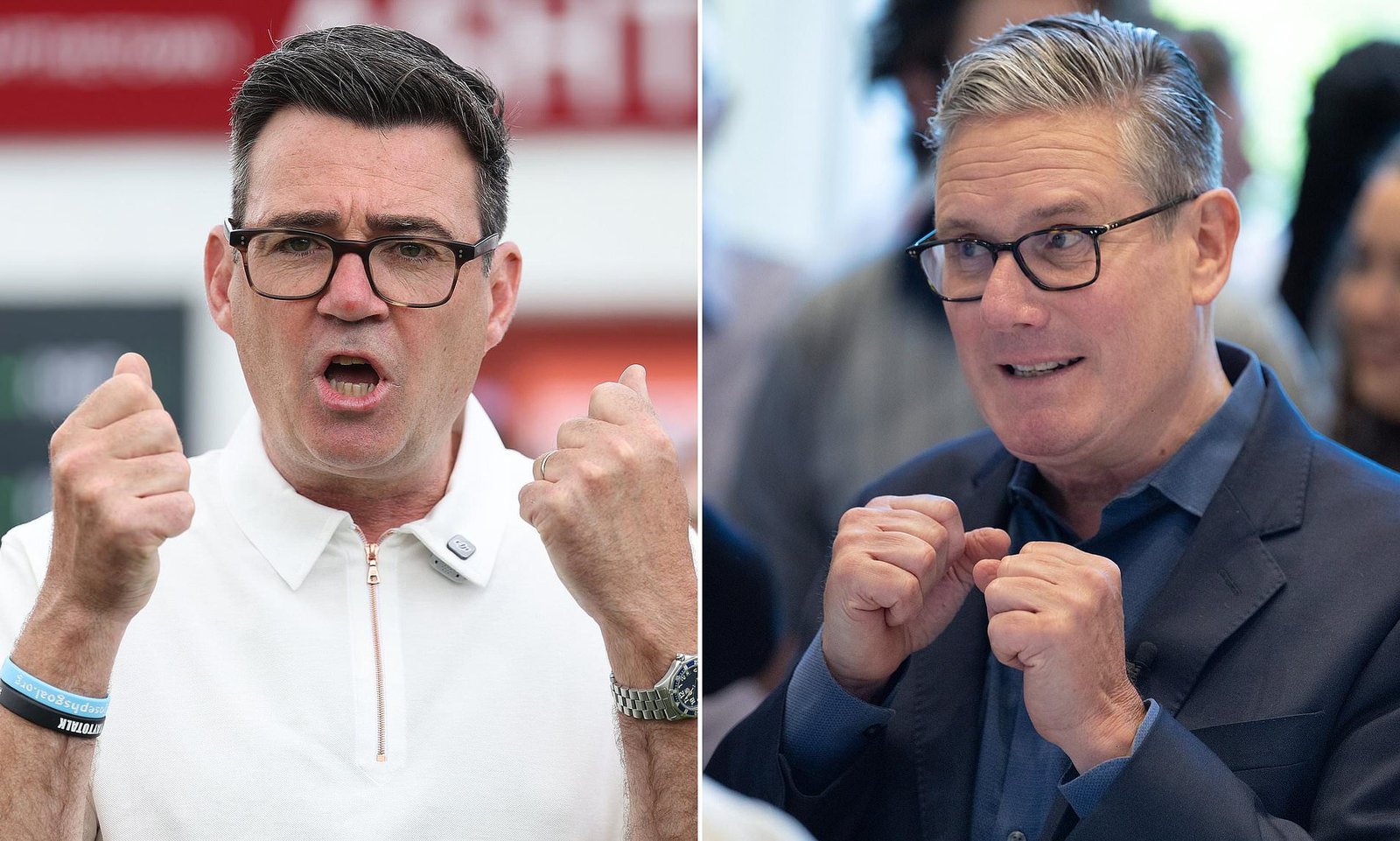
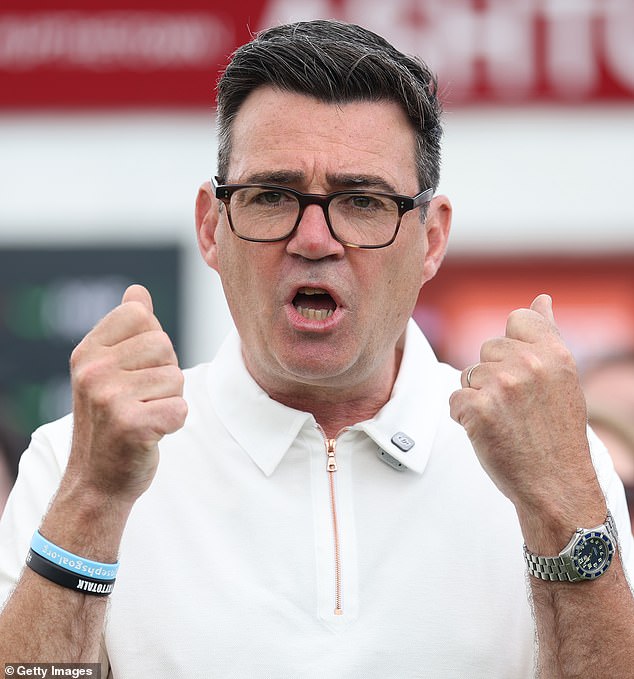
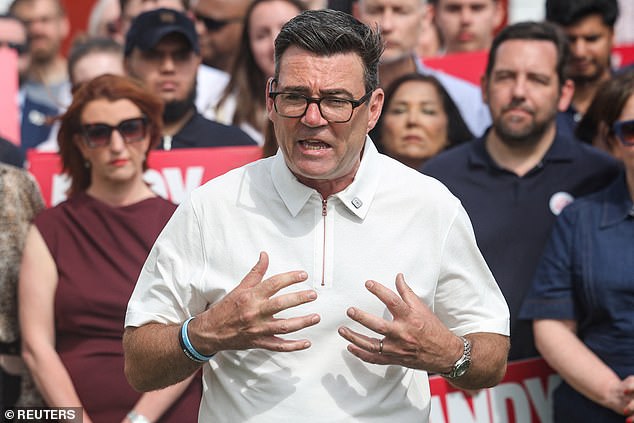
At a recent victory rally, Andy Burnham, the newly elected MP for Makerfield, presented a series of radical policy proposals that have sparked intense debate within and outside the Labour Party. His speech, delivered at a local football ground, outlined a vision that includes nationalisation, education reform, and a significant shift in economic priorities.
Burnham emphasized his commitment to ending “trickle-down economics,” positioning mass renationalisation as a central part of his agenda. He called for an economy that works for everyone, echoing the 2017 slogan “For the many, not the few.” However, his policies were met with criticism from some quarters, who described them as a “fantasy wish list.”
The former Greater Manchester mayor proposed state intervention in key areas such as energy bills, water bills, and rail fares. While he did not provide specific details, he hinted at the possibility of renationalising these services, similar to his approach when taking control of Manchester’s bus network. He also spoke about a “drive of reindustrialisation” across the North, advocating for changes in Whitehall to prioritise investment in British industry and firms.
Education Reform and Youth Opportunities
Burnham’s plans extend to the education system, where he aims to create clear pathways for young people into the new industries. He criticized the dominance of the university route, suggesting that a technical or educational path should be available for all. To support this, he pledged to guarantee work placements for all individuals aged 16 to 18 who desired one, calling it essential for giving hope to young people.
In addition to his focus on education, Burnham expressed support for Home Secretary Shabana Mahmood’s efforts to address immigration. He condemned mass immigration as a “cut-price approach to procurement” of workers, highlighting concerns he encountered during his campaign. He referred to “houses in multiple occupation” (HMOs) as a growing issue, urging business and the government to respond to the challenges faced by working-class communities.
Criticism and Concerns
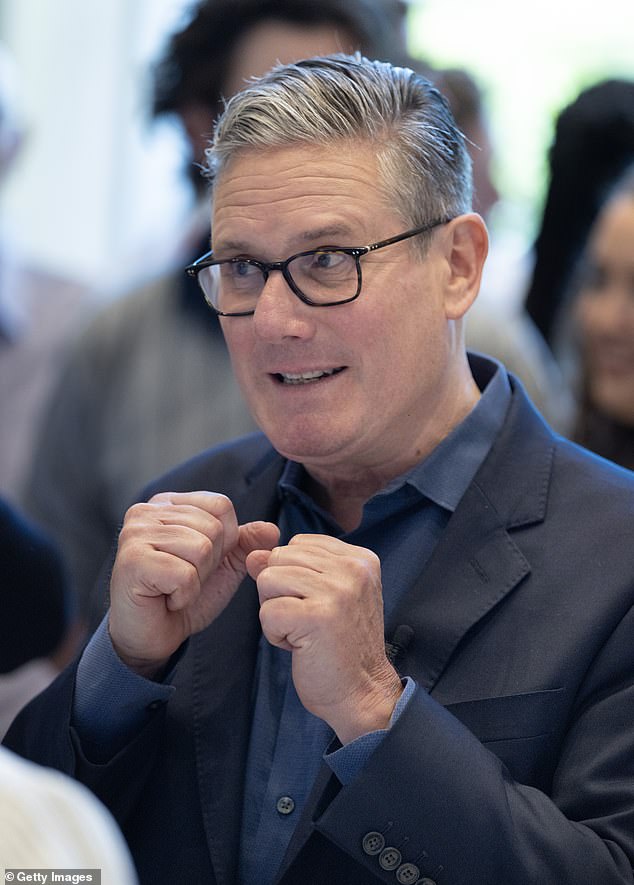
Despite his ambitious plans, Burnham’s proposals have drawn sharp criticism. A close ally of Sir Keir Starmer warned that Burnham’s policies could “tank the markets” and lead to a mortgage rate crisis similar to that under Liz Truss. The critic noted that there is a significant difference between winning a by-election and becoming Prime Minister, suggesting that Burnham’s spending commitments are unrealistic.
Another ally of Starmer, immigration minister Mike Tapp, cautioned that moving too far from Labour’s election mandate could necessitate a fresh general election. He stressed the importance of candidates clearly outlining their plans for the country, adding that deviating too much from the manifesto could make it difficult to avoid a general election.
Economic Advisers and Market Fears
To address concerns about his economic policies, Burnham has hired respected economic advisers, including former Bank of England chief economist Andy Haldane and ex-Goldman Sachs chief economist Jim O’Neill. Despite these efforts, reports indicate that banks like JP Morgan are warning clients that Burnham may breach Rachel Reeves’s fiscal rules for Government borrowing. Although he claims to support these rules, he has previously urged Britain to stop being “in hock” to bond markets.
Goldman Sachs has also raised concerns that Burnham’s plans could delay interest rate cuts by the Bank of England. These warnings highlight the uncertainty surrounding his economic strategy and its potential impact on the financial markets.
Public Awareness and Support
A YouGov poll for The Times revealed that only 21 per cent of voters nationally knew a lot or a fair amount about what Burnham wanted to do as PM. An additional 36 per cent knew nothing, while 43 per cent had “not very much” knowledge. This lack of awareness underscores the challenge Burnham faces in communicating his vision to the public and building widespread support for his policies.
- Author: Editorial Daily News Lite


















At the moment there is no comment