
6 “Harmless” Car Habits That Are Secretly Draining Your Wallet

info Adjust the font size of this article to get the best reading experience.
Understanding the Hidden Costs of Vehicle Ownership
Owning a vehicle comes with a long list of ongoing costs, all of which are made more challenging as prices for everything from groceries and utilities to insurance and rent continue to rise. Every dollar absorbed elsewhere is a dollar that cannot go toward things like your car loan or weekly fill-ups at the pump. For most of us, the costs associated with owning a car feel fixed and out of our control, but some of them might be more flexible than they appear. The needle on several of the biggest line items in vehicle ownership can be moved with a few key changes. None of the six items below requires a dealership service visit, a new vehicle, or a significant change to your daily routine.
Slow Down on the Highway
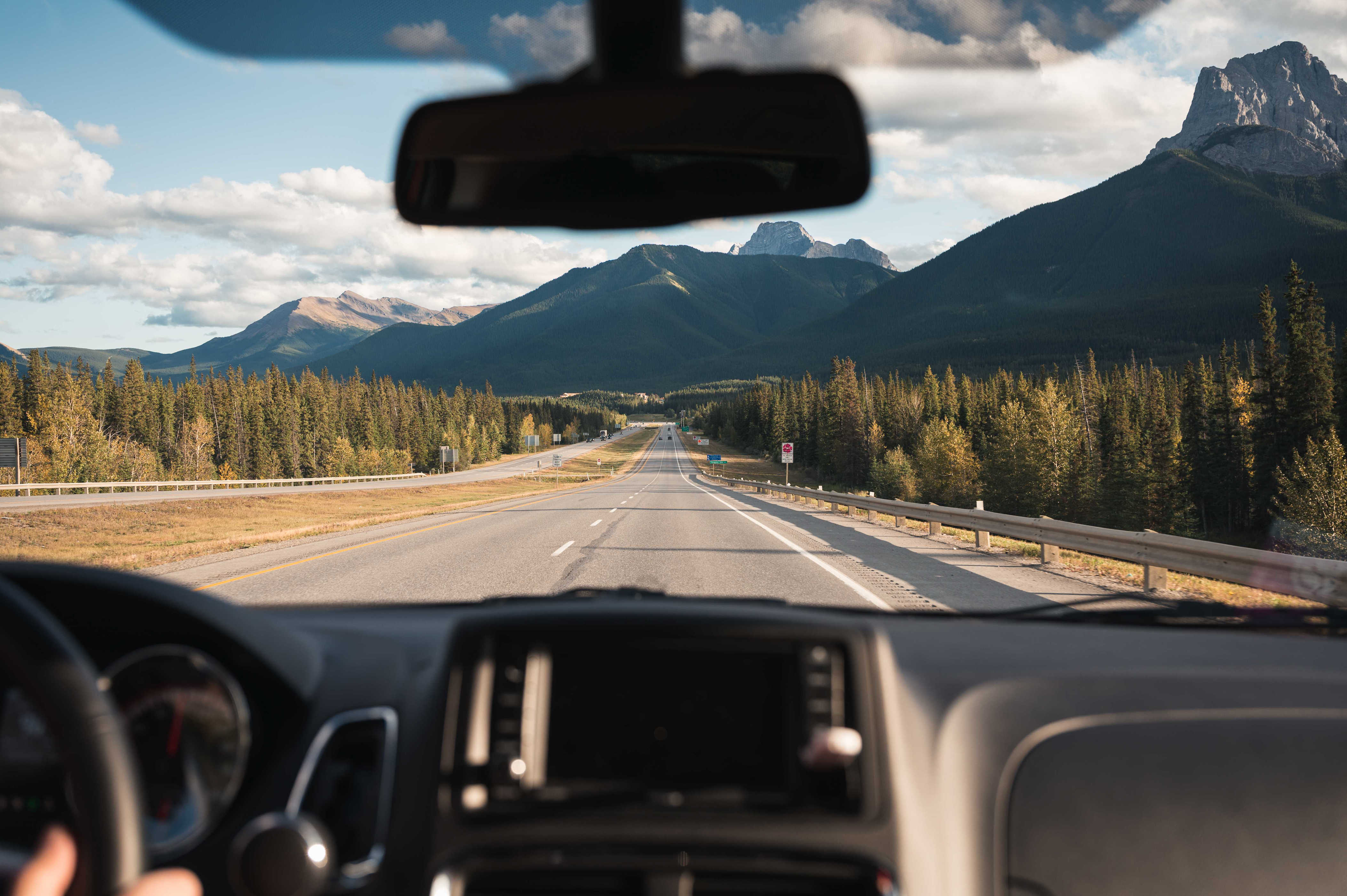
Speed has a direct impact on what you spend at the pump. Highway speed is one of the most direct levers a driver has over fuel economy. Aerodynamic drag increases as your speed climbs, which means the faster you go, the harder your engine works to push through the air.
Driving at 70 mph versus 60 mph can reduce fuel economy by about 14 percent, with gas mileage penalties increasing the faster you go. Dropping your cruising speed, especially on long trips, to exactly the speed limit or even slightly under, will improve your fuel economy. By doing so, you may be surprised by how little time you actually lose. Some studies have shown that perceived time savings from speeding are far smaller than most drivers expect.
Likewise, using cruise control on extended stretches of highway helps conserve fuel. Maintaining a steady speed prevents the small throttle variations most drivers make without thinking, which add up over a long trip.
Smooth Out Your Acceleration and Braking
Gradual inputs are easier on your vehicle. This is a similar line of thinking to our first point, but hard acceleration burns more fuel and places greater demand on the drivetrain. By contrast, smooth, gradual throttle inputs and light braking increase fuel economy and reduce brake wear over time.
When it comes to brakes specifically, pads and rotors are wear items not covered under most new vehicle warranties, and aggressive driving shortens the interval between replacements. Extending the life of your brake pads through smoother driving helps ensure you are not replacing them sooner than necessary.
In a similar vein, your car’s brake fluid is a preventive maintenance item that saves money by protecting expensive components. Unlike your engine, which probably has an oil life monitor to tell you when to make an appointment, most cars don’t have a sensor that monitors brake fluid quality. Brake fluid usually has a long shelf life, with most manufacturers recommending a system flush every 30,000 to 45,000 miles. The exact mileage interval for your make and model will be listed in the owner’s manual.
Use a Gas App
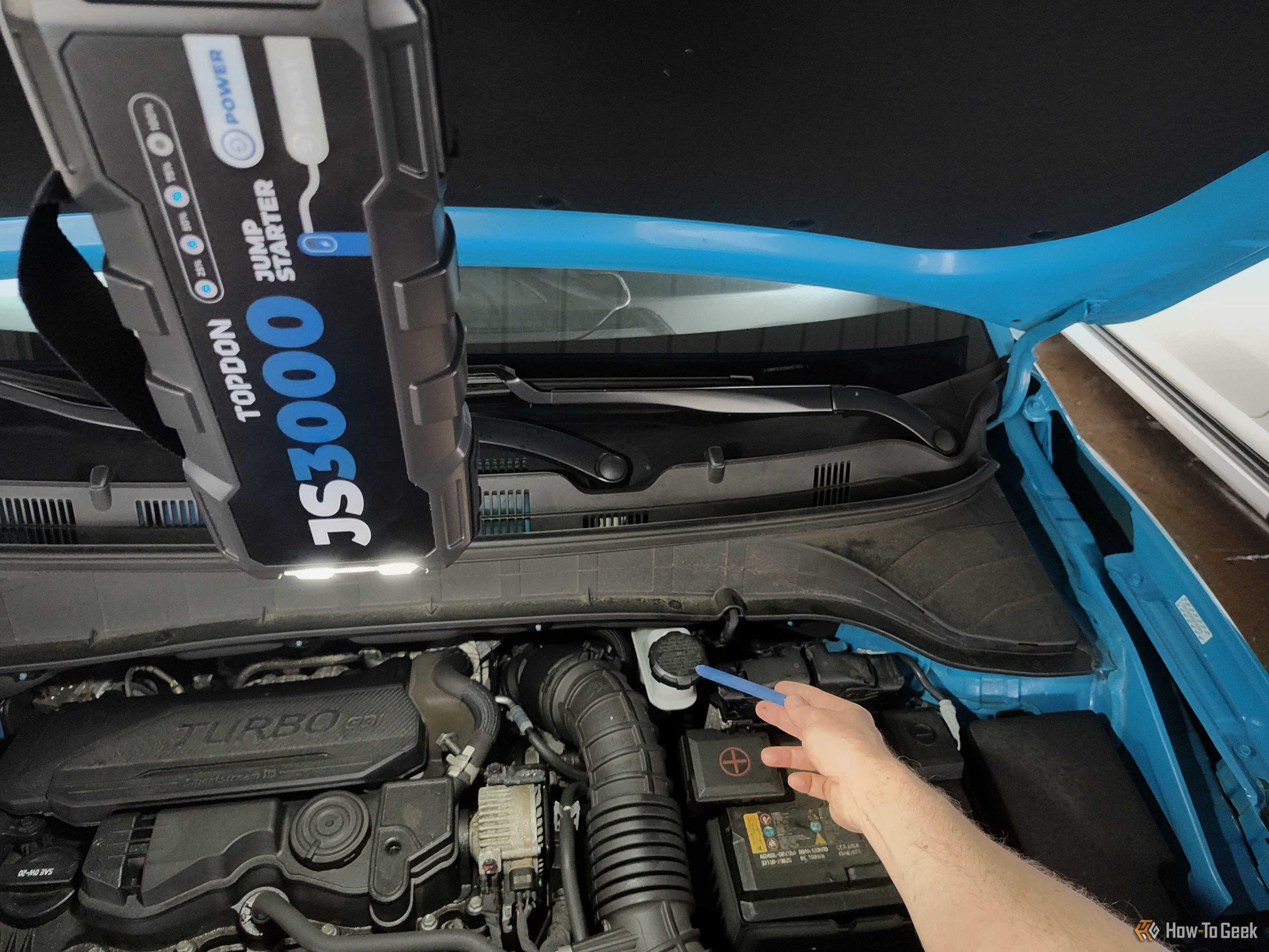
Mid-week fill-ups can be less expensive. Fuel prices vary from station to station, sometimes by a meaningful margin within the same area. Apps like GasBuddy (above screenshots) aggregate real-time pricing reported by drivers, allowing you to find the lowest available price near your location or along a planned route before you stop.
The difference between the most and least expensive station in a given area may be small on a single fill-up, but the savings compound over a year of regular visits with no change to your driving routine beyond choosing where to stop.
Mid-week fill-ups, Tuesday through Thursday, tend to be cheaper than weekend prices in most markets, though that pattern can vary by region and season. Combining a gas app with mid-week timing is a low-effort habit that may add up over time.
Look Into Telematics Discounts with Your Insurance
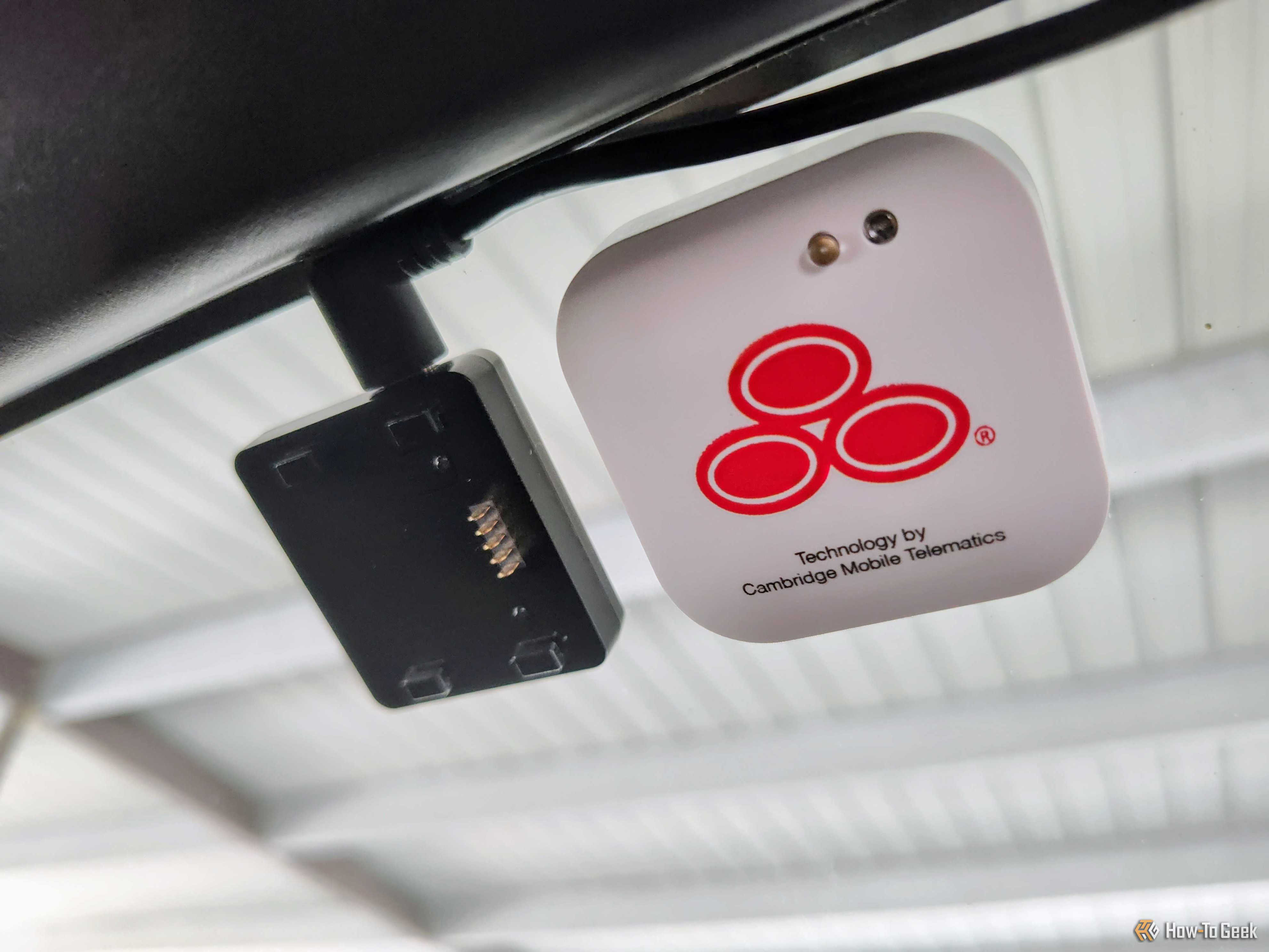
Your driving habits may qualify you for a lower premium. Most major auto insurers now offer usage-based or behavior-based programs that can lower your premium based on how you drive. Progressive’s Snapshot, State Farm’s Drive Safe and Save, and similar programs from Allstate, Nationwide, and others monitor factors such as speed, braking, time of day, and mileage and reward lower-risk driving with discounts.
The savings differ by provider and driver profile, but discounts of 10 to 30 percent are commonly advertised and expected. However, those with conservative driving habits are often the best candidates and are most likely to see the greatest reward.
It is worth noting that these programs collect driving data, which some may prefer to avoid. Reading the terms of any program before enrolling is recommended, as data-sharing policies and discount structures vary across providers.
Keep Up With Tire Rotations
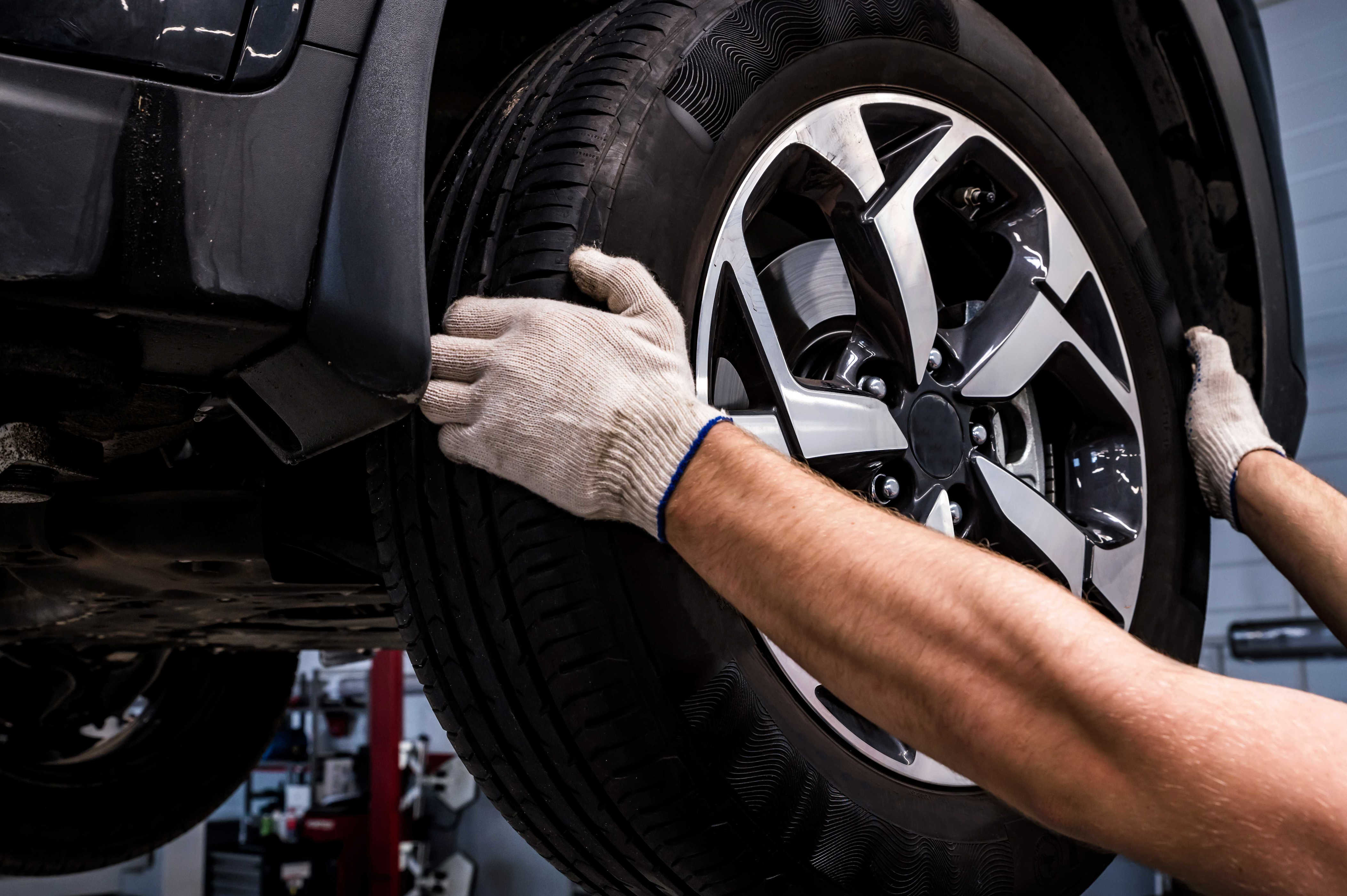
A simple service that pays off. Front and rear tires wear at different rates because they perform different jobs. On most vehicles, front tires handle steering and absorb most of the braking force, which causes them to wear faster than the rears, absent regular rotations.
Regular rotations, every 5,000 to 7,500 miles or as specified in your owner’s manual, redistribute that wear across all four tires so they reach the end of their usable life at roughly the same time. The practical result is that you replace a full set of four tires at once rather than replacing two tires twice, which costs less over time and may mean fewer unplanned service visits.
Many shops include tire rotations with oil changes or offer them at a low cost. It is one of the easier maintenance items to keep up with, and skipping it tends to cost more in the long run.
Replace the Air Filter Yourself
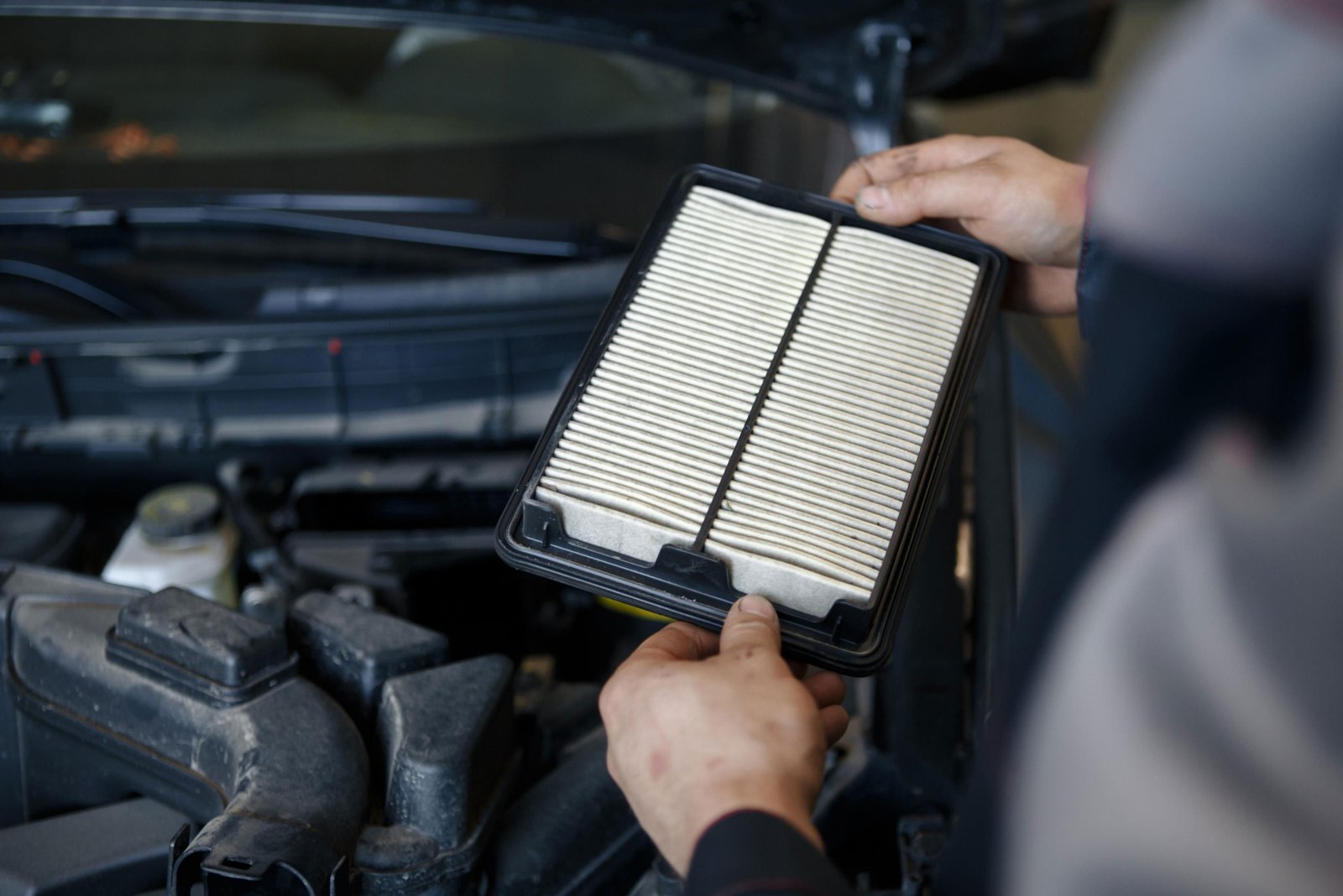
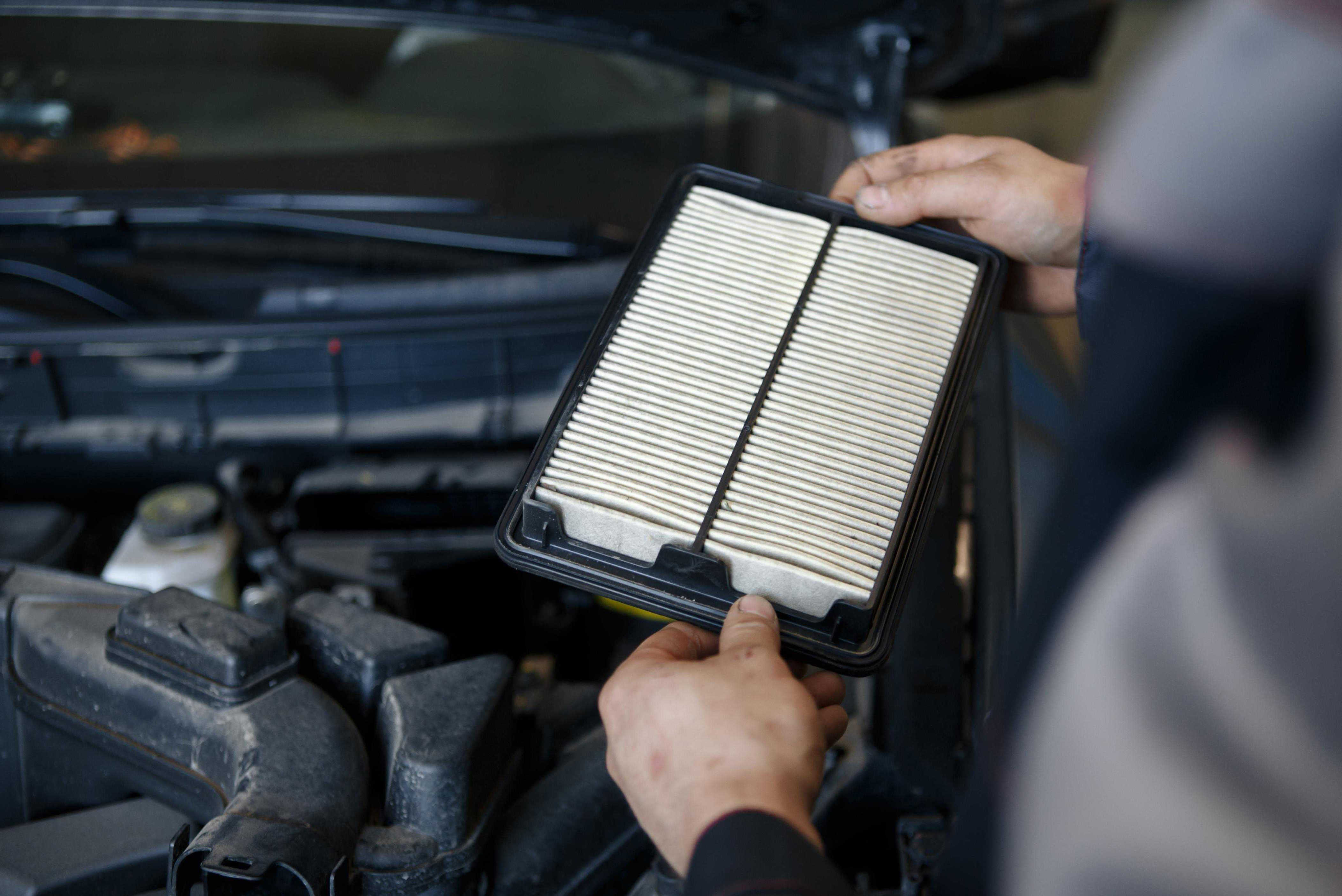
One of the more accessible DIY maintenance tasks. Engine air filters are a routine maintenance item that carries a notable markup at most shops and dealerships. Purchasing the filter yourself at an auto parts store and swapping it out is one of the more accessible DIY maintenance tasks available to most drivers.
On many vehicles, the air filter box is reachable without tools, and the replacement process is straightforward. Checking your owner’s manual or searching an online retailer for your specific year, make, and model before purchasing a filter is a good first step.
Cabin air filters present a similar opportunity for DIY savings. They affect interior air quality and HVAC airflow, and on most vehicles, they might be as easy to access as the engine filter.
Small Changes, Lower Monthly Costs
None of these requires a significant investment of time or money, and the savings compound. Small adjustments to how you drive, where you fuel up, and which maintenance items you handle yourself can reduce what you spend each month on a vehicle you already own.
Likewise, none of them require a trip to the dealership, a subscription, or any special tools. The common thread across all six is awareness, knowing where your money goes, and making small, informed adjustments.
- Author: Tyo Murty



















At the moment there is no comment