
Rising Human and Economic Toll of Unnecessary Iran War – The Irish News Perspective
- account_circle Tyo Murty
- calendar_month Wednesday, 15 Jul 2026
- visibility 14
- comment 0 comment
- print Print

info Adjust the font size of this article to get the best reading experience.
A War of Choice with No Clear End
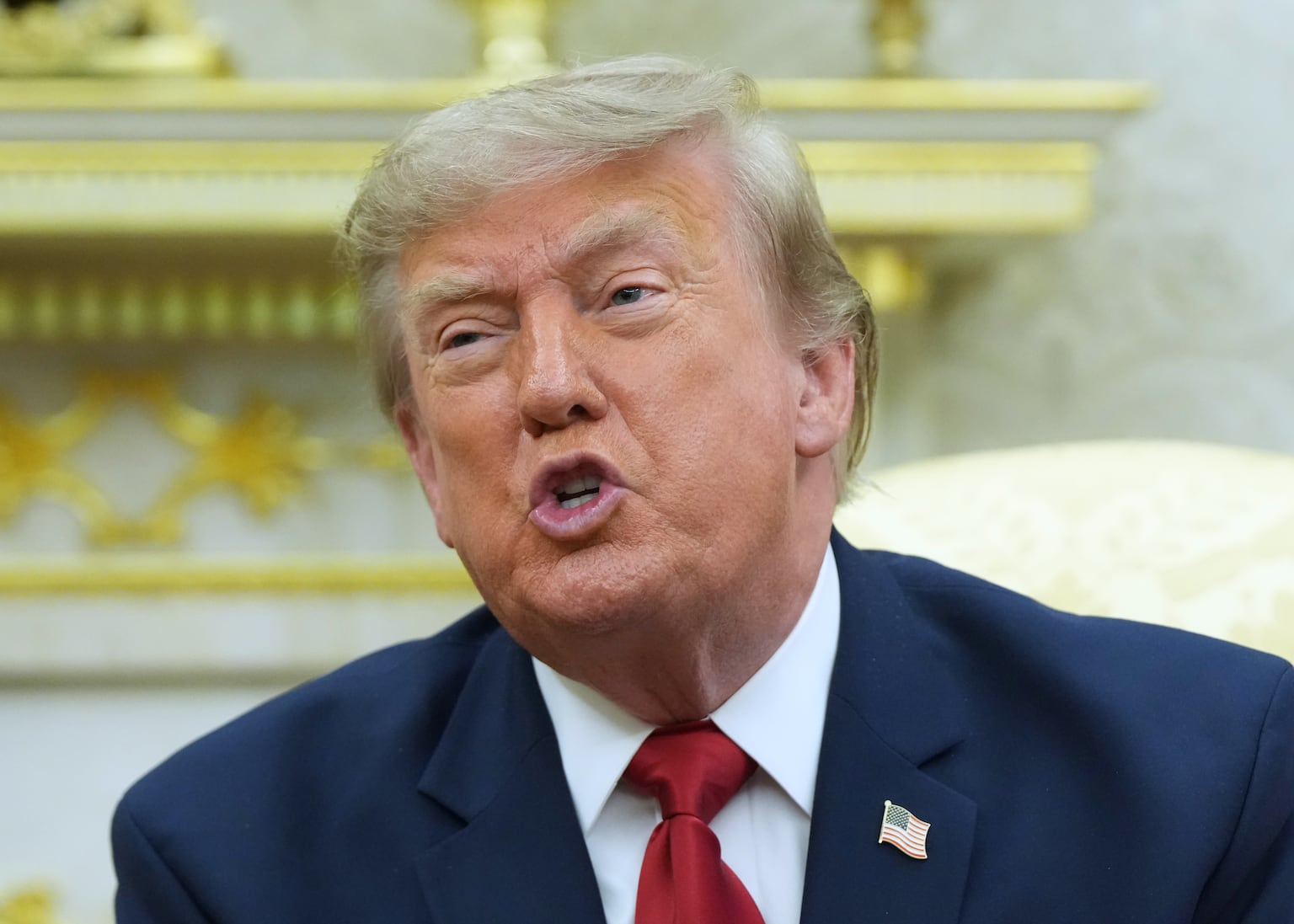
The conflict between the United States and Iran, which began with a series of attacks at the end of February, was from the start an unnecessary escalation that has left the U.S. in a difficult position. The war was driven by the ambitions of Israeli Prime Minister Benjamin Netanyahu, who found a willing ally in President Donald Trump, despite warnings from advisors. This decision set the stage for a prolonged and costly confrontation.
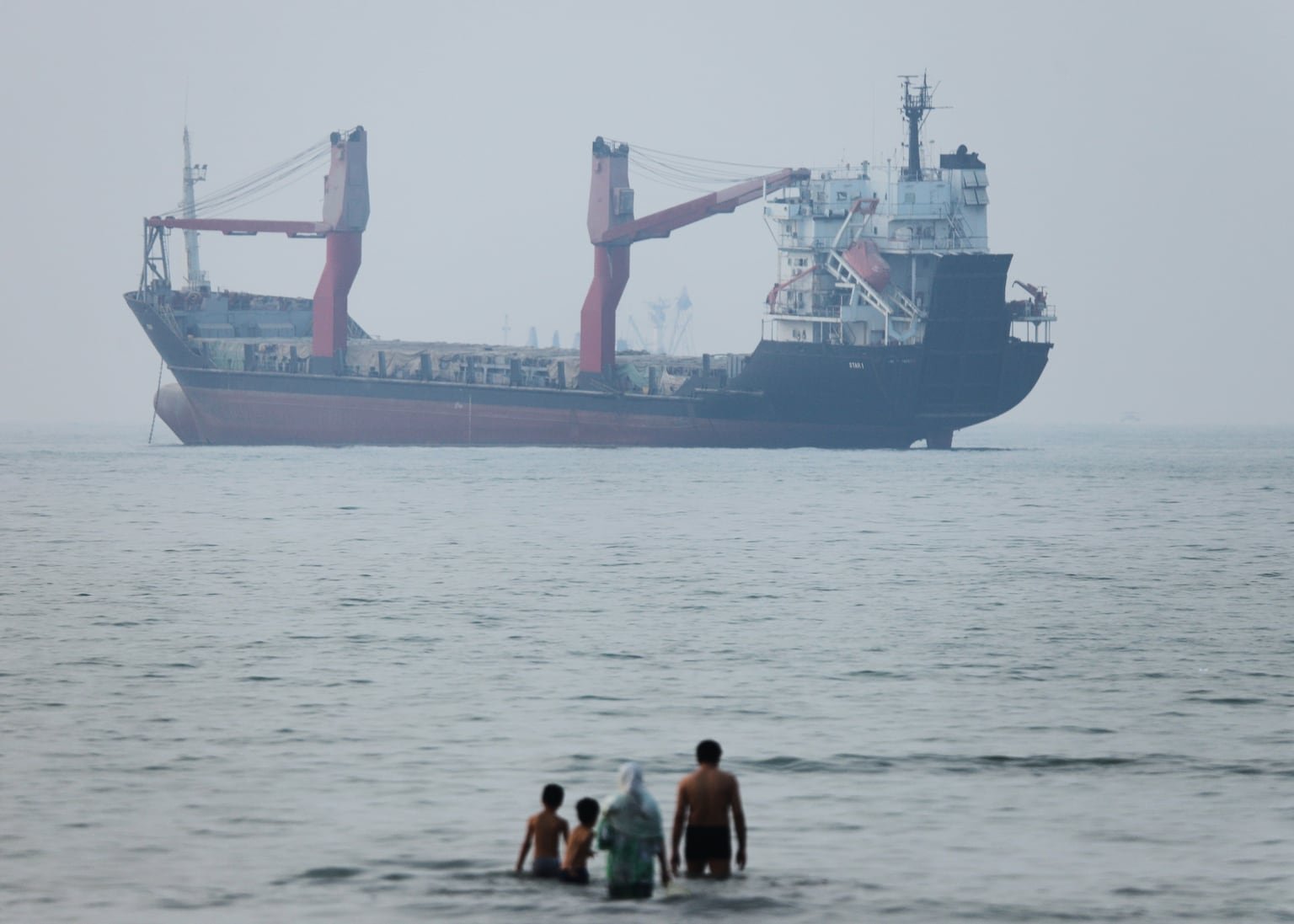
Iran, which had long anticipated such a scenario, suffered heavy losses in its military forces and lost key leaders, including Supreme Leader Ayatollah Ali Khamenei, in the early stages of the assault. However, the country managed to assert its power by effectively closing the Strait of Hormuz, a critical waterway for global oil and gas shipments. This move demonstrated that Iran could significantly disrupt the American and global economy, turning the tide in unexpected ways.
The U.S. administration never clearly outlined the goals of the war, leading to confusion and uncertainty. As Western nations faced the consequences of rising oil prices, a fragile ceasefire was eventually brokered in Pakistan. This temporary peace seemed to offer a way out for Trump, whose approval ratings were declining ahead of the mid-term elections. Oil prices began to drop as expectations of a deal grew.
However, this fragile truce did not last. Recent resumption of attacks on both sides has once again disrupted traffic through the Strait of Hormuz, causing oil prices to spike. The situation has become increasingly volatile, with Trump displaying erratic behavior by announcing a 20% tax on all cargo shipping, only to retract the threat the next day. His actions have caused alarm among Gulf allies, further complicating the already tense situation.
Israeli Prime Minister Netanyahu, who is under investigation for war crimes, has also used the conflict to threaten additional strikes on Iran. Meanwhile, the UN High Commissioner for Human Rights, Volker Turk, has warned that the return to hostilities is a major setback for civilians in the region. The impact of the war is being felt globally, with families struggling with rising costs of living, including higher heating, transport, and food prices.
The conflict appears to have shifted focus to control over the Strait of Hormuz, a waterway that was open to shipping before the U.S. launched its initial attacks. Iran’s use of the Strait as an economic weapon was predictable, but it represents a significant strategic misstep by the U.S. What started as a war of choice has now evolved into a conflict without a visible end, with mounting human and economic costs.
The only viable path forward is to reduce the aggressive rhetoric that has fueled the conflict and return to diplomatic efforts. A solution that all parties can accept must be pursued, emphasizing patience and dialogue over continued escalation.
- Author: Tyo Murty

















At the moment there is no comment