
Ford Tops JD Power Quality Rankings as Porsche Leads Premium Brands in 2026 Study
- account_circle Tyo Murty
- calendar_month Saturday, 27 Jun 2026
- visibility 20
- comment 0 comment
- print Print

info Adjust the font size of this article to get the best reading experience.
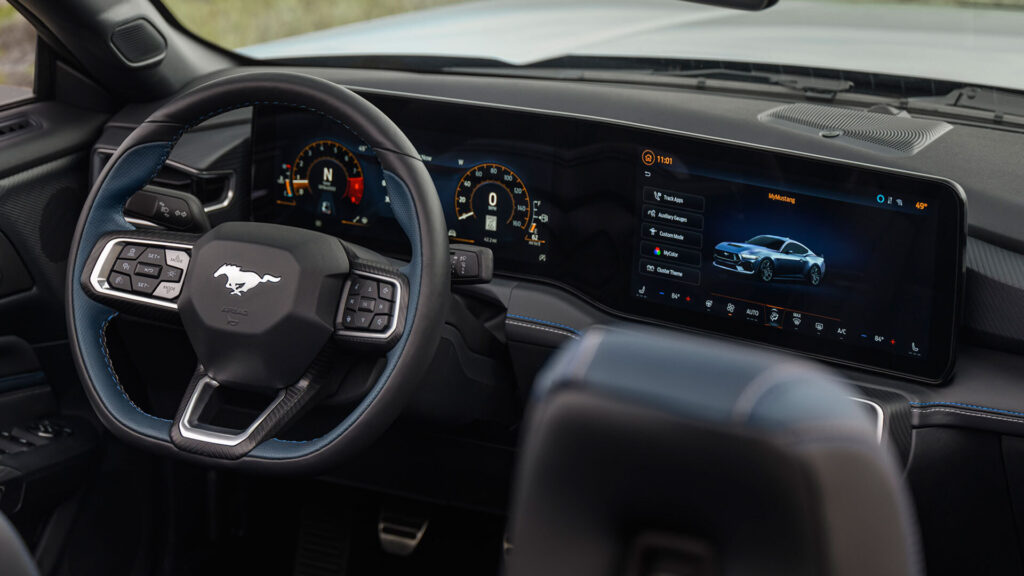
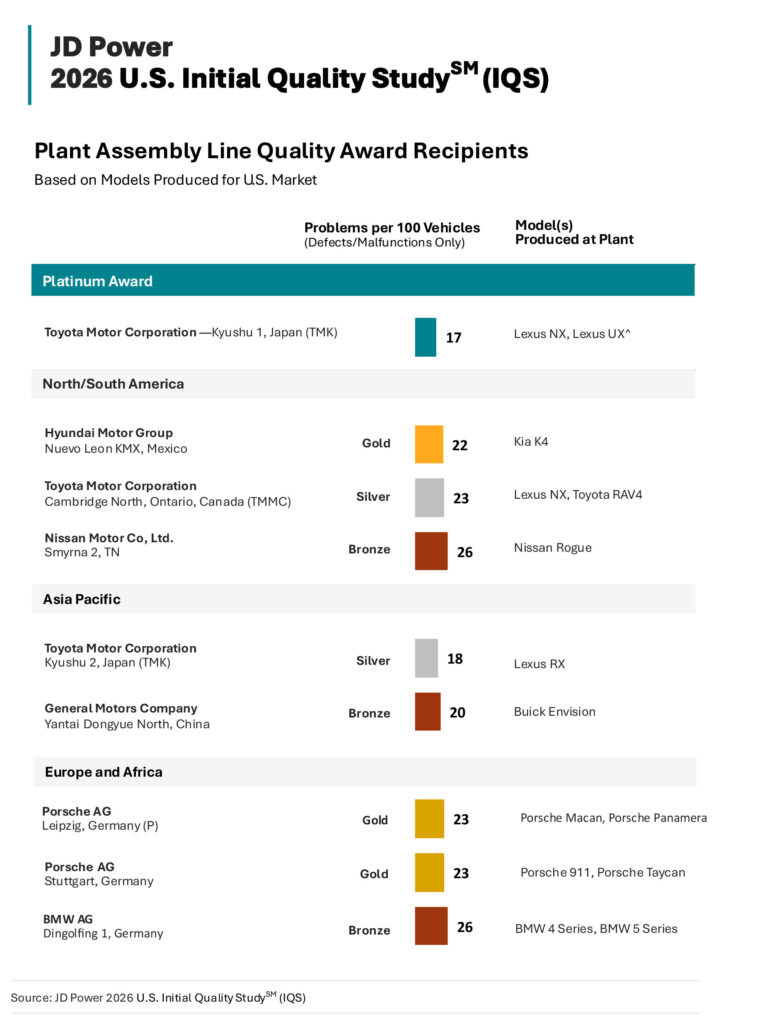
Porsche, Genesis, and Ford have emerged as leaders in a new initial quality study, highlighting improvements in overall vehicle quality. However, one persistent challenge remains: infotainment systems.
BMW made a strong showing by winning six segment awards, while Audi faced difficulties in the rankings. Ford, known for its high number of recalls, has been conducting numerous campaigns in recent years. In 2025, the company issued 153 recall campaigns, and so far in 2026, they’ve already conducted 51 recalls—far ahead of Stellantis (19), GM (17), and Toyota (15).
Despite this recall history, Ford is celebrating after being named the highest mainstream brand in JD Power’s latest initial quality study. The automaker reported only 152 problems per 100 vehicles, surpassing Nissan (156) and Buick (162). This achievement marks 16 years of effort, with Ford reducing problems by 41 per 100 vehicles compared to last year. Lincoln also improved, climbing two spots to sixth place among premium brands.
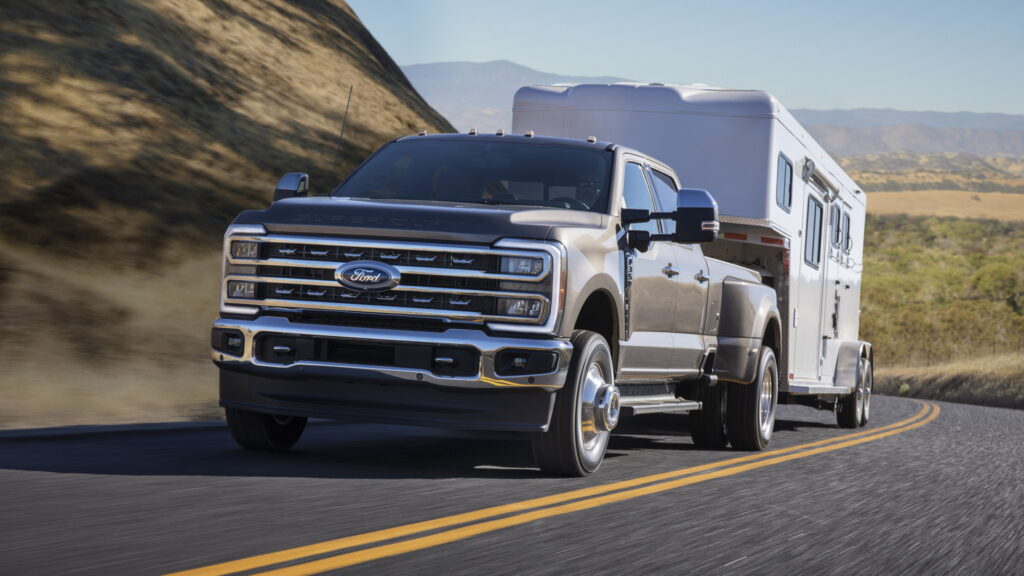
Ford attributed its success to years of hard work and a focus on improving the infotainment experience. The company brought together various teams and involved suppliers earlier in the process to reduce issues at launch. CEO Jim Farley stated, “Many doubted that an American company with a huge American workforce could compete with the world’s best on quality, let alone reach the top. But we put our heads down and worked together every day to deliver for our customers. Today, Ford is not only the most American automaker but also the gold standard for new vehicle quality.”
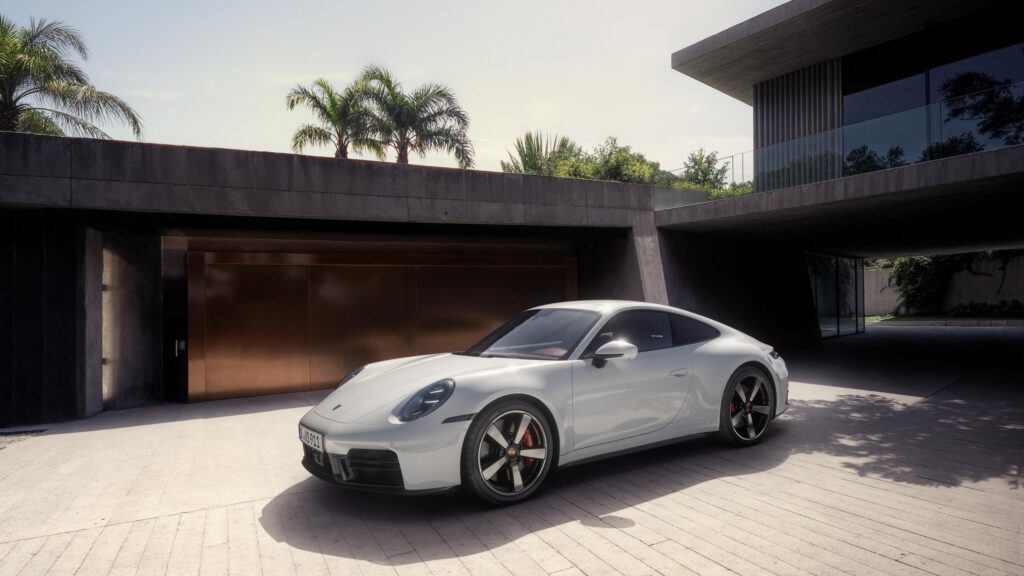
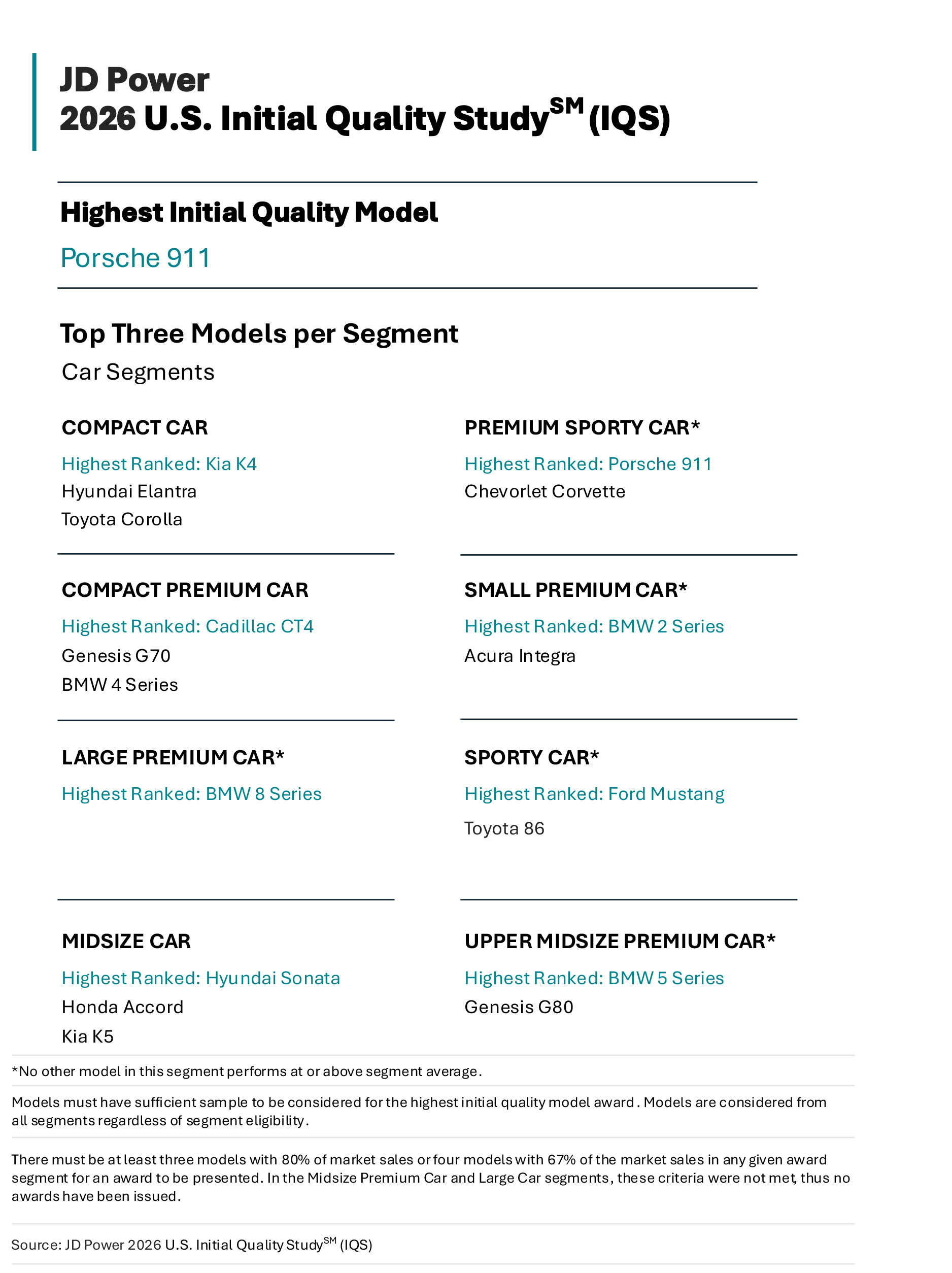
Porsche took the top spot in the study, with only 138 problems per 100 vehicles. The Porsche 911 was named the vehicle with the highest initial quality overall, beating the Chevrolet Corvette to win the “premium sporty car” segment. Timo Resch, CEO of Porsche Cars North America, said, “Winning this award speaks to the painstaking focus on even the smallest details that our engineers put into each of our vehicles to give our customers the standard of quality they rightly expect from Porsche.”
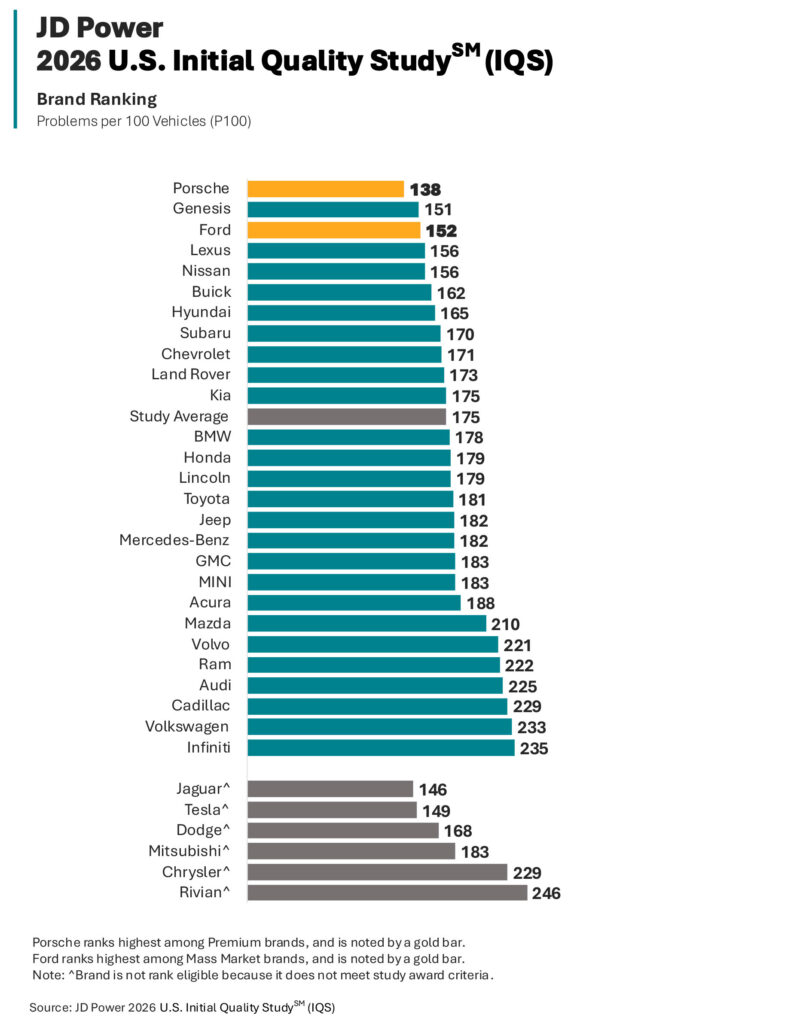
While some surprises were noted, Genesis made a significant jump, placing second with 151 problems per 100 vehicles—up from 10th place last year. Lexus dropped from first to fourth, while Land Rover improved from well-below average to slightly above. The latter had 173 problems per 100 vehicles, a drop from 208 last year.
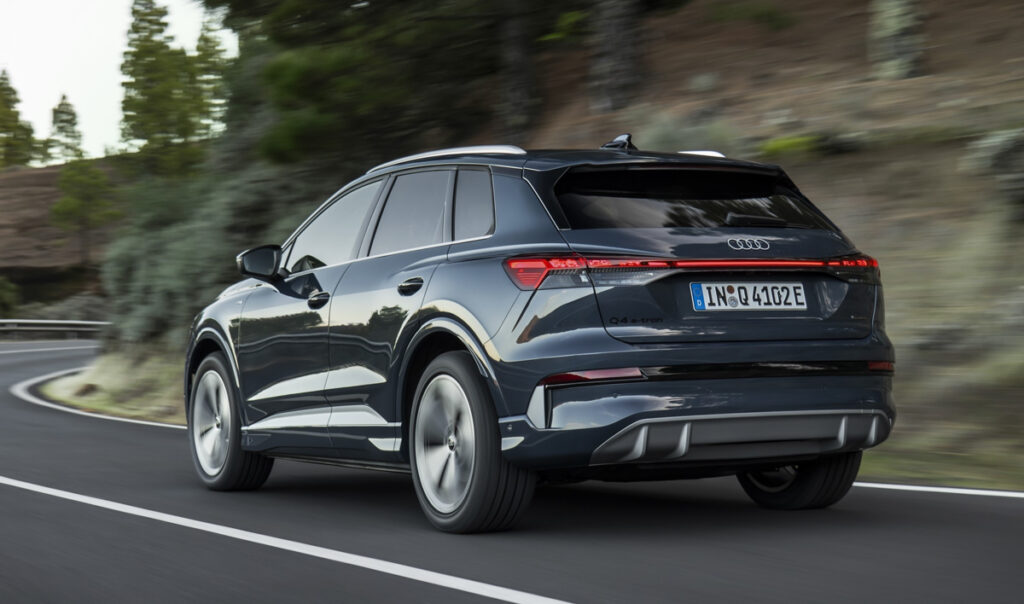
Audi came in dead last in 2025 with 269 problems per 100 vehicles. Although they improved to 225 this year, it only moved them up three spots. Infiniti claimed the dubious honor of last place with 235 problems per 100 vehicles, down from 242 last year.
Segment Winners
In addition to Ford’s achievements, several other models received top honors. Among cars, the Kia K4, Hyundai Sonata, Cadillac CT4, and BMW 2-, 5-, and 8-Series stood out. On the crossover and SUV side, the Nissan Rogue, Chevrolet Blazer, Hyundai Venue, and Subaru Ascent won in their segments. The Chevrolet Tahoe and Toyota Sequoia tied for top honors in the Large SUV category.
Premium models with the best initial quality include the Cadillac XT5, Lexus NX, and BMW X2, X6, and X7. The Kia Carnival was named best minivan, while the Hyundai Santa Cruz won the “mid-size” truck category.
Study Findings
The study examines problems experienced in the first 90 days of ownership. JD Power noted that overall new-vehicle quality “improved sharply this year, with fewer problems cited across nine of 10 categories evaluated.” The average number of problems fell from 192 to 175 this year.
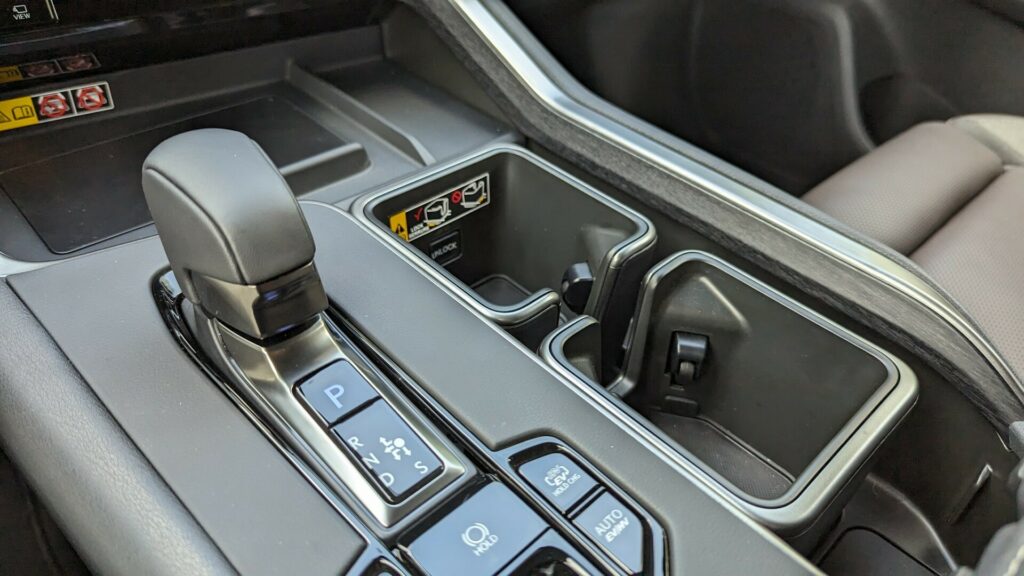
However, it’s important to note that quality may not always mean what it seems. For example, cup holders were the biggest contributor to the improvement in initial quality due to more accessible locations and better capacity for holding different sizes of cups and water bottles.
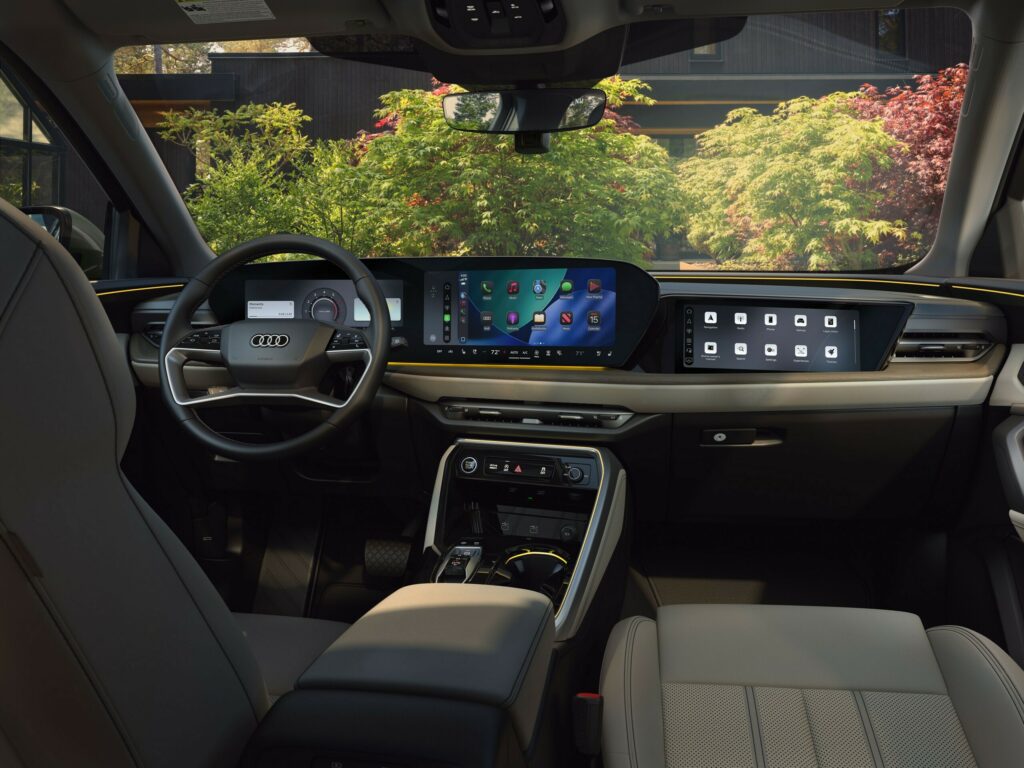
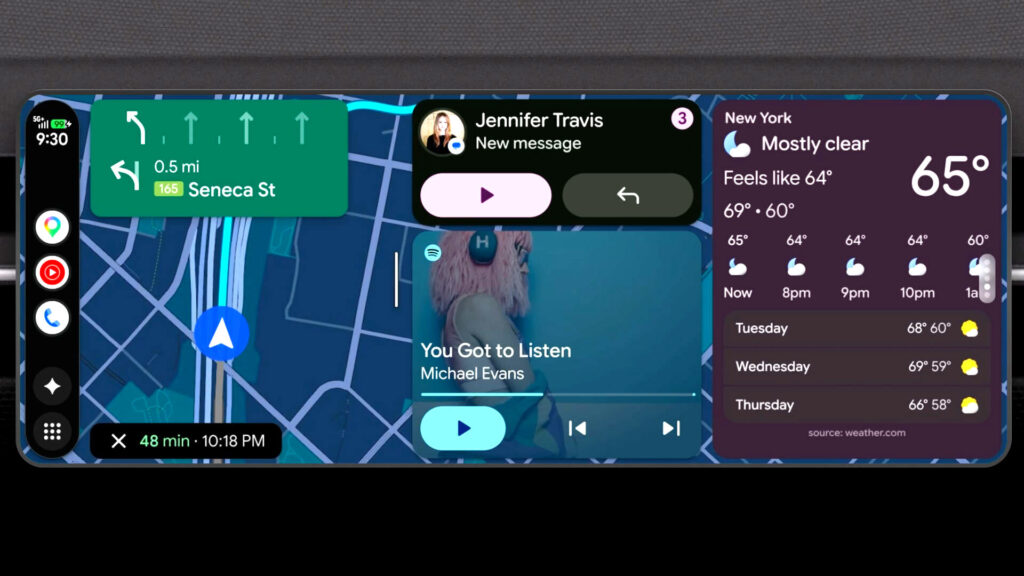
Infotainment systems, however, remained a major issue. Connectivity issues continued to strain the customer experience, with problems increasing this year. Issues with Android Auto and Apple CarPlay connectivity accounted for an increase of 1.4 PP100 in reported problems, the largest single contributor to the decline in infotainment quality.
Although automakers are not entirely to blame for technology-related issues from Apple and Google, these features are now integral to modern vehicles—even if some companies try to avoid them.
- Author: Tyo Murty



















At the moment there is no comment